European Energy invests in the largest battery system in the Nordic countries
With a strategic investment in a 200 MWh facility, European Energy strengthens its industrial position in Denmark and energises the Nordic battery storage market.
| Sectors | Energy Storage, Batteries |
|---|---|
| Themes | Investments & Transactions, Corporate Investment |
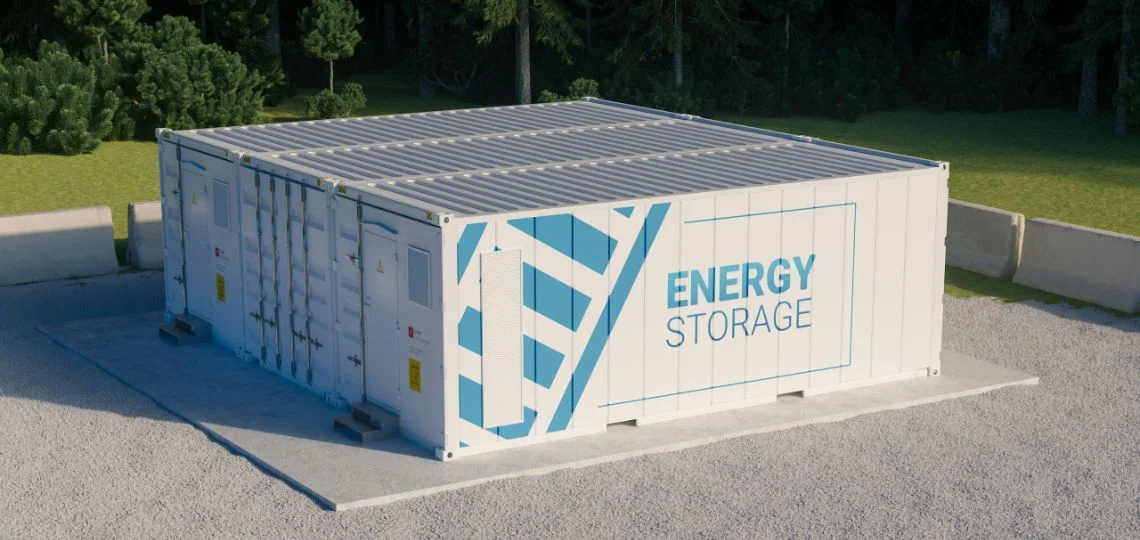
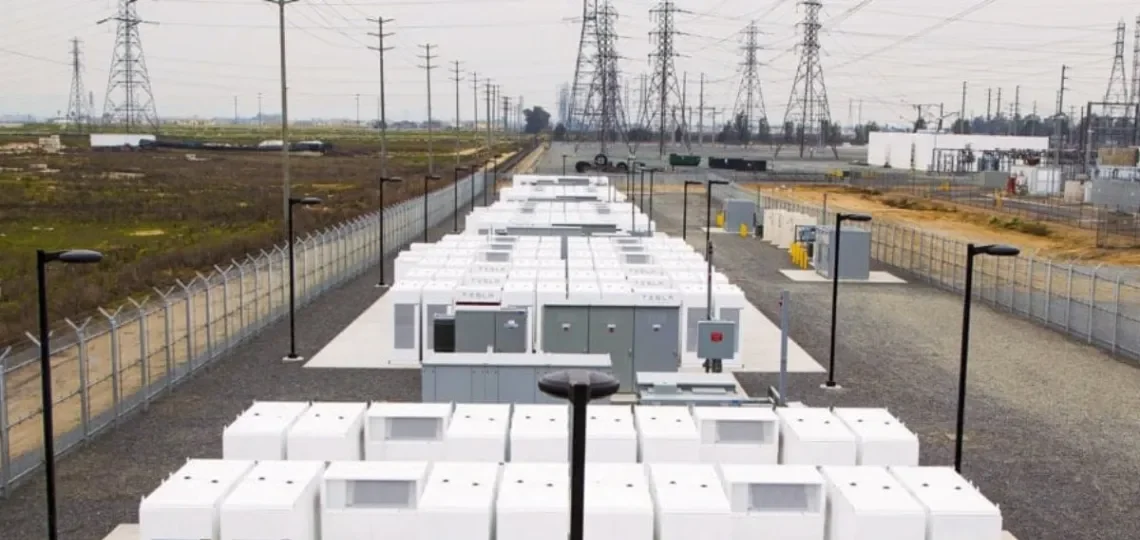
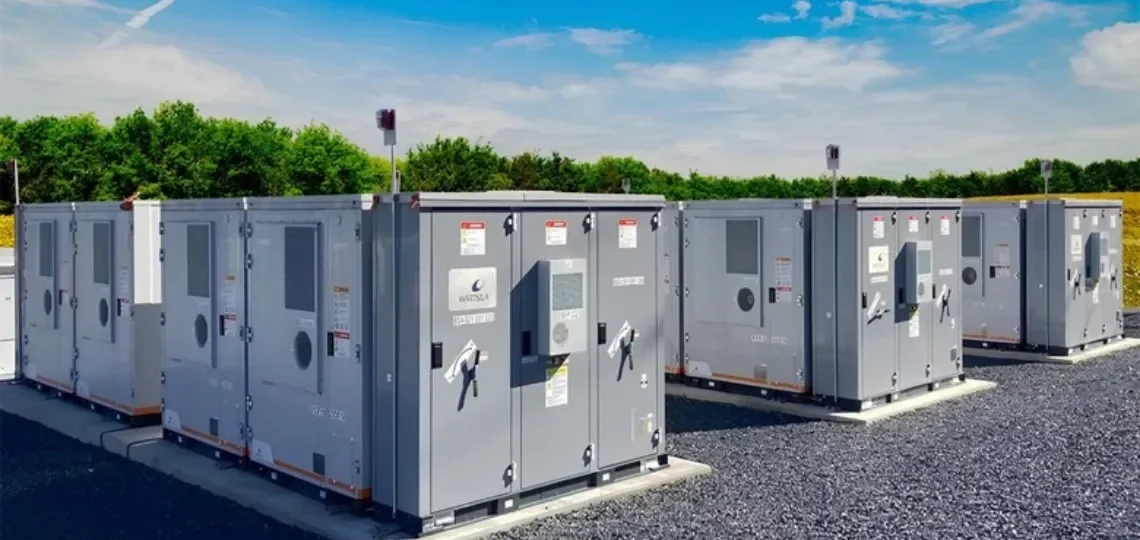
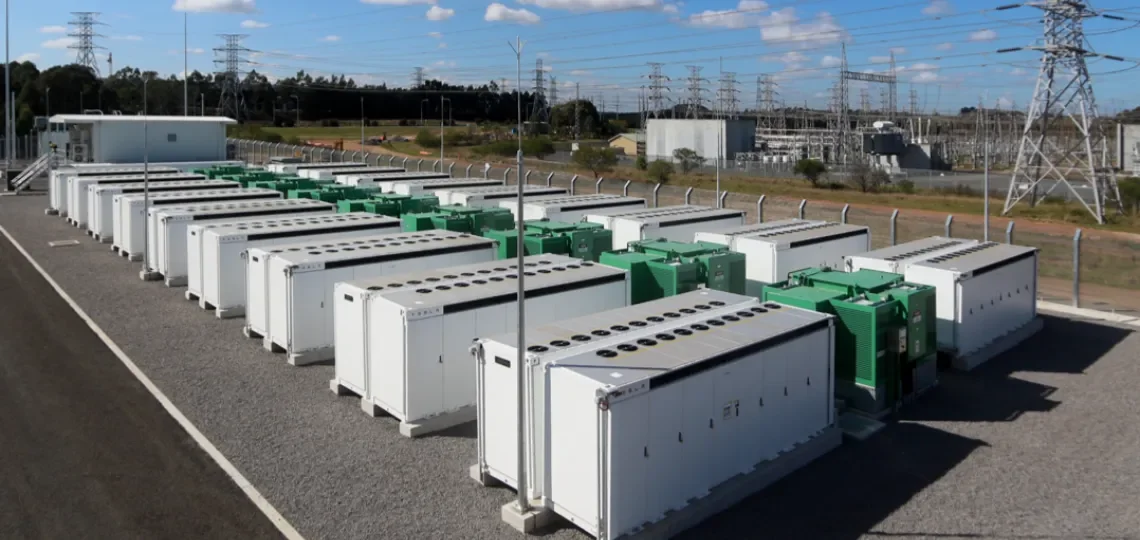
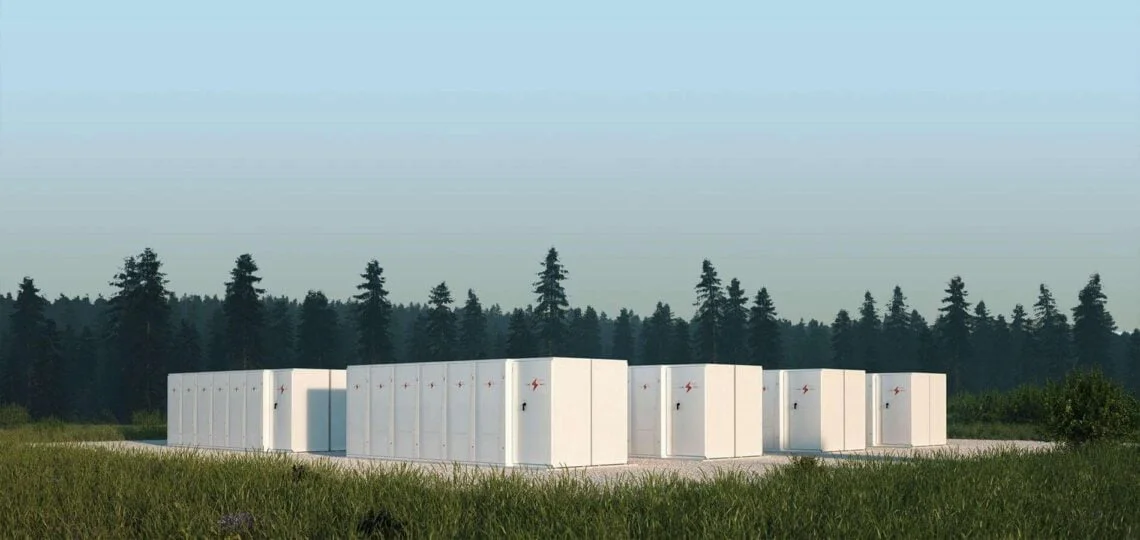
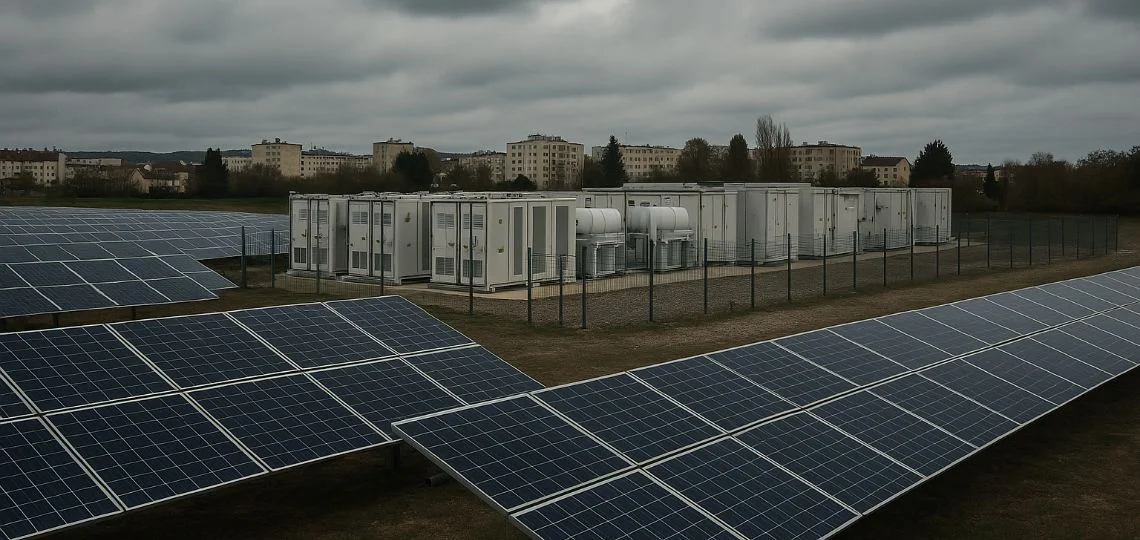
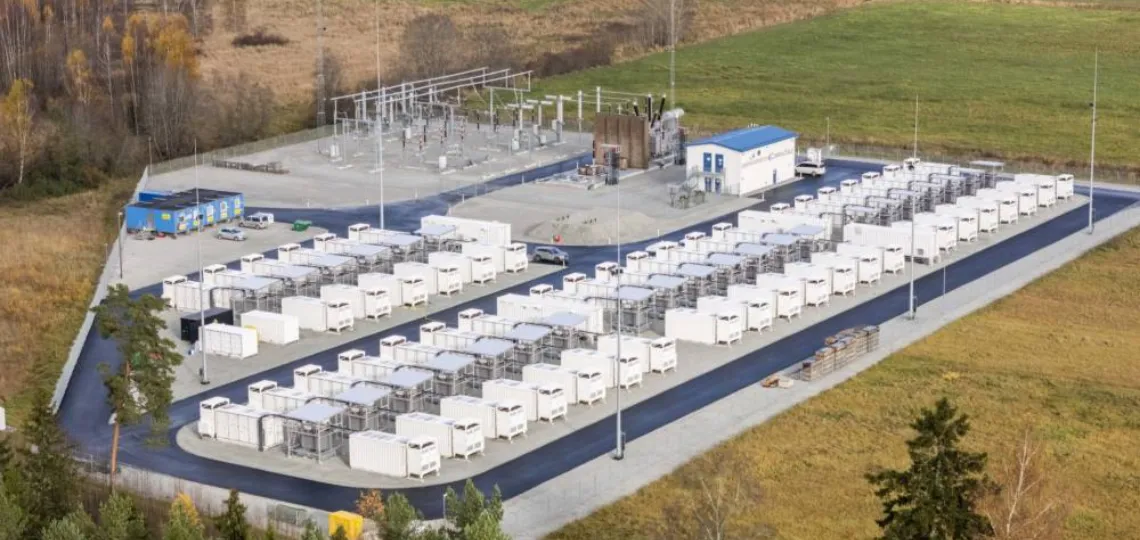
Danish company European Energy has launched construction of the largest battery energy storage system ever installed in the Nordic countries. Located in Kvosted, the project will have a capacity of 50 megawatts (MW) with a four-hour discharge duration, totalling 200 megawatt-hours (MWh). The site is over four times the size of any existing system in Denmark, setting a new regional benchmark in battery storage infrastructure.
A high-capacity industrial asset to stabilise the grid
The investment aims to address the increasing need to absorb imbalances caused by the intermittency of renewable energy sources. By capturing surplus electricity, especially during low demand periods, the system helps optimise grid performance. It reduces losses linked to curtailment, when excess electricity cannot be fed into the network.
The rise of such infrastructure reflects a strategic repositioning by energy sector players. Adding storage capacity has become essential to ensuring supply security in markets where wind and solar increasingly dominate electricity generation.
Regional expansion supported by private capital
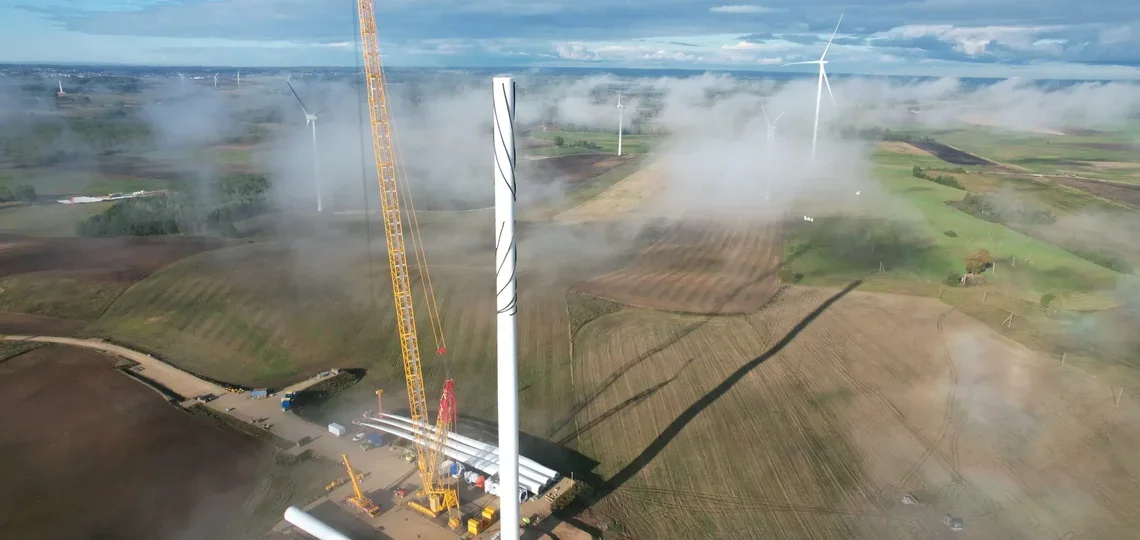
European Energy has confirmed that similar projects are underway in Lithuania and Latvia. This expansion highlights growing interest in privately financed storage solutions that support grid flexibility and reduce reliance on imported energy.
The underlying business model focuses on optimising the gap between production and consumption, while also providing grid stability services. This positioning has attracted investor attention amid high volatility in electricity markets.
The Kvosted project strengthens European Energy’s position in the sector
The implementation of this project reinforces European Energy’s industrial presence in the stationary storage sector. The company is using this initiative to structure a long-term asset portfolio, helping secure revenue streams in the context of gradual energy transition in Northern Europe.
With the integration of Kvosted, European Energy is developing infrastructure capable of operating on capacity and ancillary services markets, while meeting increasing demands from grid operators for stability and performance.