South Africa’s electricity supplier Eskom expects a net profit of ZAR16bn ($937mn) by the end of its financial year in March 2026, according to a statement released on November 28. This would match the result recorded in the previous year, confirming a gradual recovery after years of losses.
Recovery supported by interim results
In the first half of the 2026 fiscal year, which ended in September, the public utility posted a net profit of ZAR24.3bn ($1.4bn), highlighting the continued improvement of its financial position. Lower borrowing costs, linked to reduced debt levels, contributed to the turnaround. Financial charges fell by 14% to ZAR15.3bn ($896mn), while revenue rose 4% to ZAR191.3bn ($11.2bn), mainly due to a 12.7% average increase in electricity tariffs introduced in April.
Improved grid stability
Between March and September, Eskom implemented load shedding on only four days, a marked improvement compared to more than 300 days of blackouts in 2023. This stabilisation helped restore confidence in the national grid. It was also cited as a factor in S&P Global Ratings’ decision to upgrade South Africa’s long-term foreign currency credit rating from BB- to BB.
Persistent structural challenges
Despite the progress, Eskom continues to face structural issues, including unpaid municipal debts, which reached ZAR105bn ($6.1bn) as of September 30. The National Treasury has introduced targeted measures to address the issue, considered critical to the company’s financial stability.
$18.7 billion investment target over five years
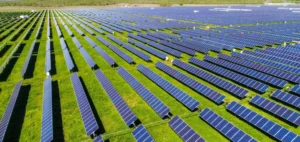
Eskom plans to mobilise ZAR320bn ($18.7bn) over the next five years to maintain its production and transmission infrastructure. Part of the funding will support the planned expansion of installed generation capacity from 66 gigawatts (GW) in 2024 to 107 GW by 2034. This growth is expected to facilitate the integration of renewable energy sources into the national grid.