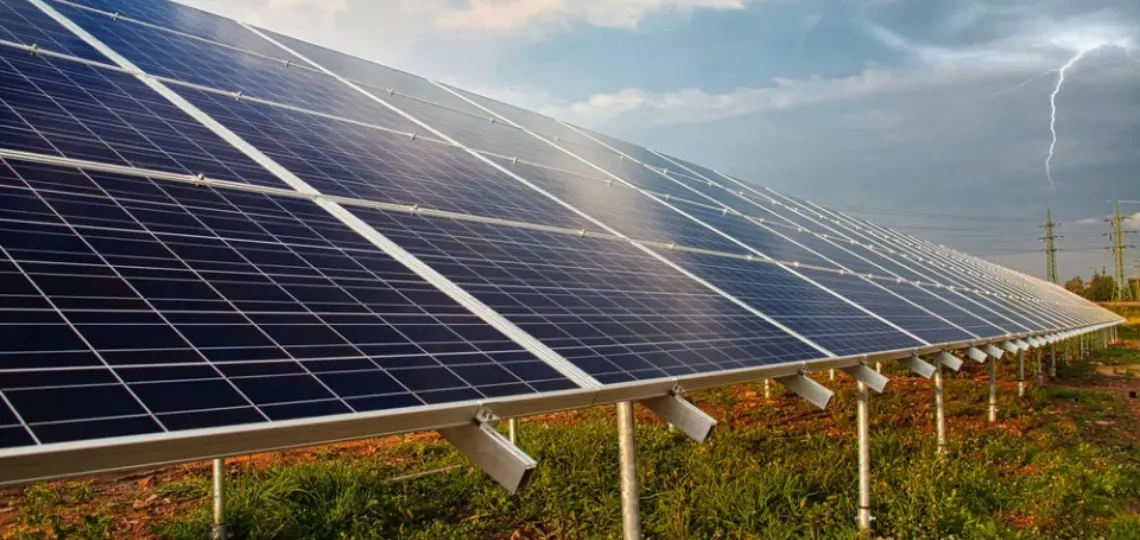
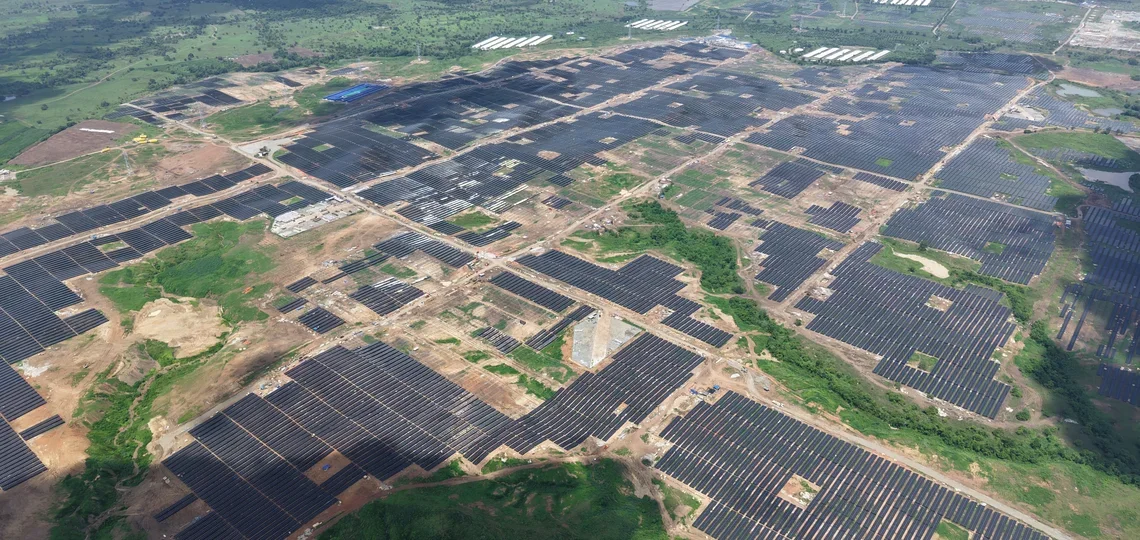
Independent power producer Enviromena has won an appeal against North Warwickshire Borough Council’s decision, securing final approval for its 40 megawatt (MW) solar farm project in Fillongley. The development had twice been recommended by planning officers but was rejected by council members. The appeal inspector ultimately reversed this decision, ruling that the project met all required planning criteria.
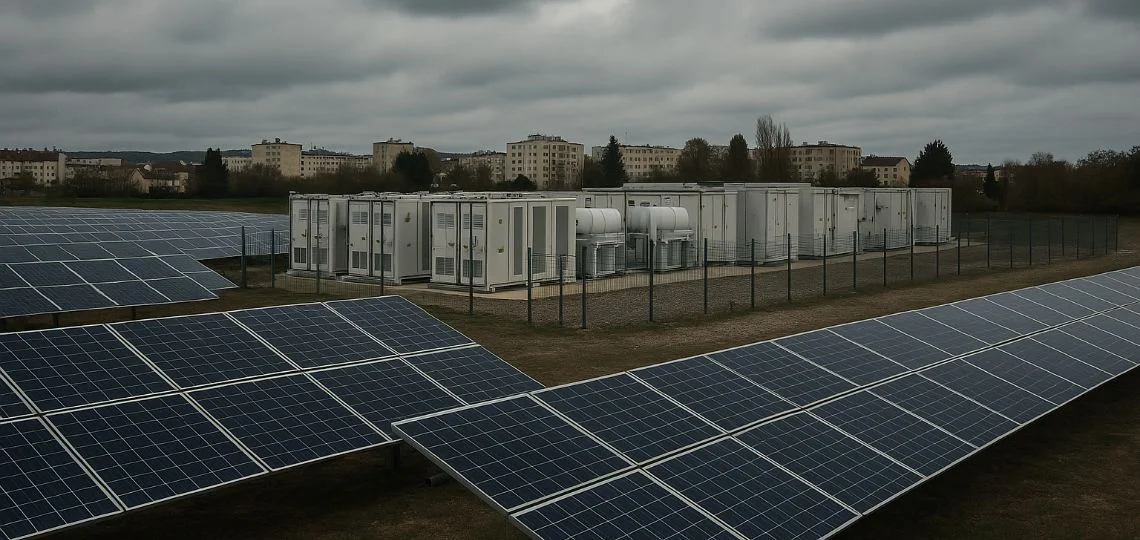
A central issue during the inquiry was the land’s classification, described by some as part of the “Grey Belt” — a term used for areas seen as sensitive despite lacking official protection status. The inspector confirmed Enviromena’s longstanding position, held since July 2024, that the site did not fall under restrictions similar to those of the Green Belt.
Disputed use of community funds
The appeal process also brought attention to tensions surrounding the role of Fillongley Parish Council, which diverted community resources to challenge the project. This was done despite professional assessments by planning officers confirming the project’s compliance with national and local policy. The use of public funds in this context raises concerns about financial governance in opposition to developments approved by technical authorities.
Inquiry documents show that no technical evidence was submitted by the parish council to invalidate the project. The inspector noted that the planning review had been sufficiently thorough to confirm the project’s legitimacy.
A decision with wider implications
Enviromena’s Chief Development Officer, Mark Harding, stated that the appeal outcome confirmed the strength of the submitted case. He emphasised that the project had been validated by planning authorities before being delayed for reasons he described as unfounded. The dispute resulted in additional costs and delays for all parties involved, including local taxpayers.
Chief Executive Officer Chris Marsh added that the approval sends a clear signal about the importance of evidence-based evaluations in energy project assessments. With an expected annual capacity to power around 16,500 homes and avoid nearly 10,000 tonnes of carbon dioxide, the Fillongley site aligns with government goals to reach 45 gigawatts (GW) of operational solar capacity by 2030.