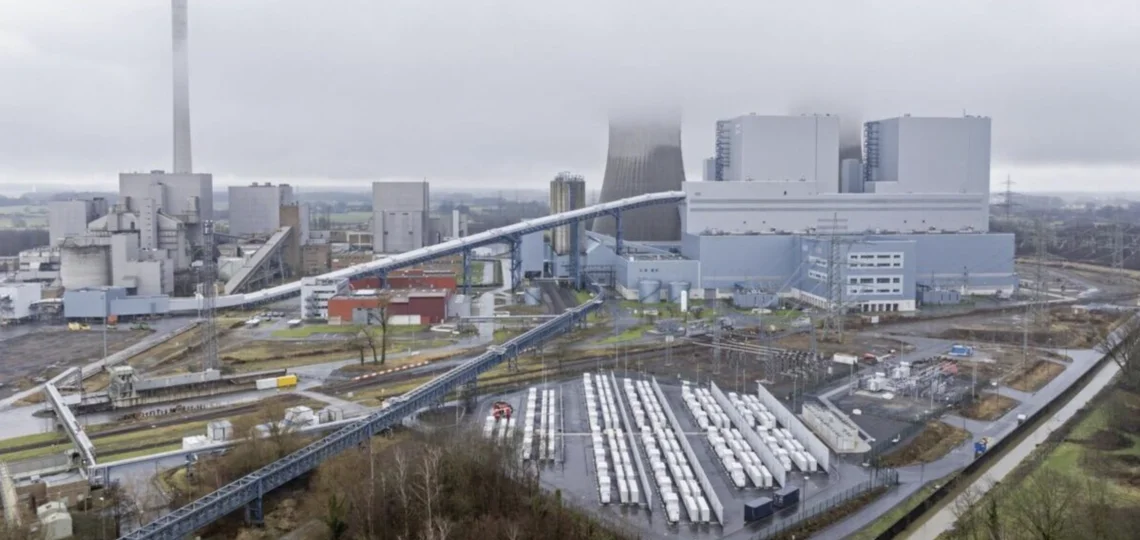
Energy group ENGIE has announced the commissioning of new strategic capacity for the Belgian power grid, with the activation of the 875 megawatt (MW) gas-steam combined cycle power plant in Flémalle. Selected during the first auction of the Belgian Capacity Remuneration Mechanism (CRM) in 2021, this infrastructure aims to meet the growing need for flexibility in the national grid.
A gas-steam power plant built for flexibility
Located in Flémalle, the new thermal plant was designed to deliver efficiency above 63 %, ranking among the best in its category. It can start up quickly and adjust its output to match fluctuations in demand. ENGIE states that the facility can supply electricity to more than one million households while being prepared for future conversion to carbon-neutral production.
Strengthening energy storage in Vilvoorde and Drogenbos
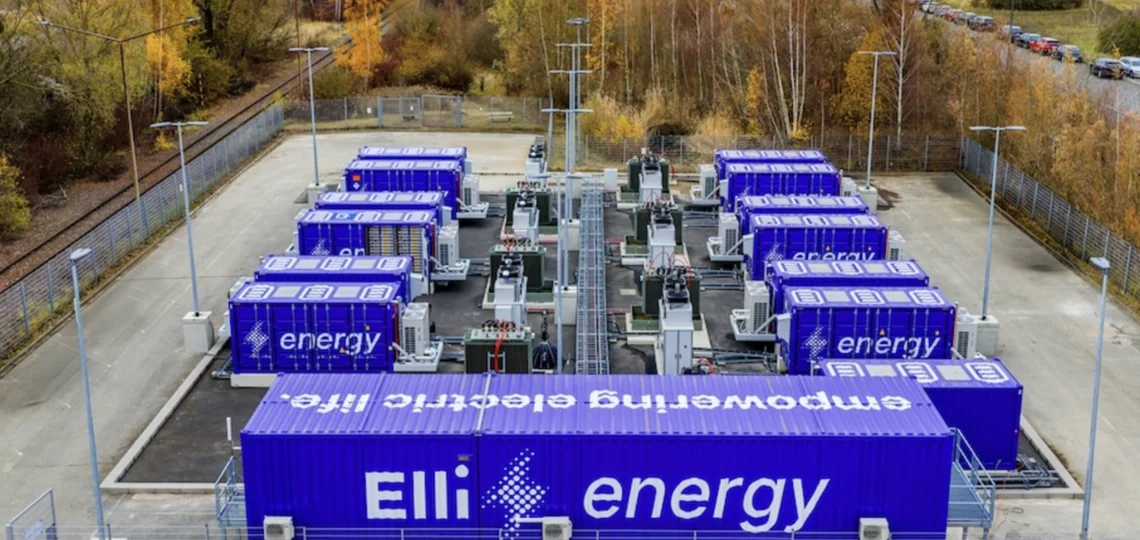
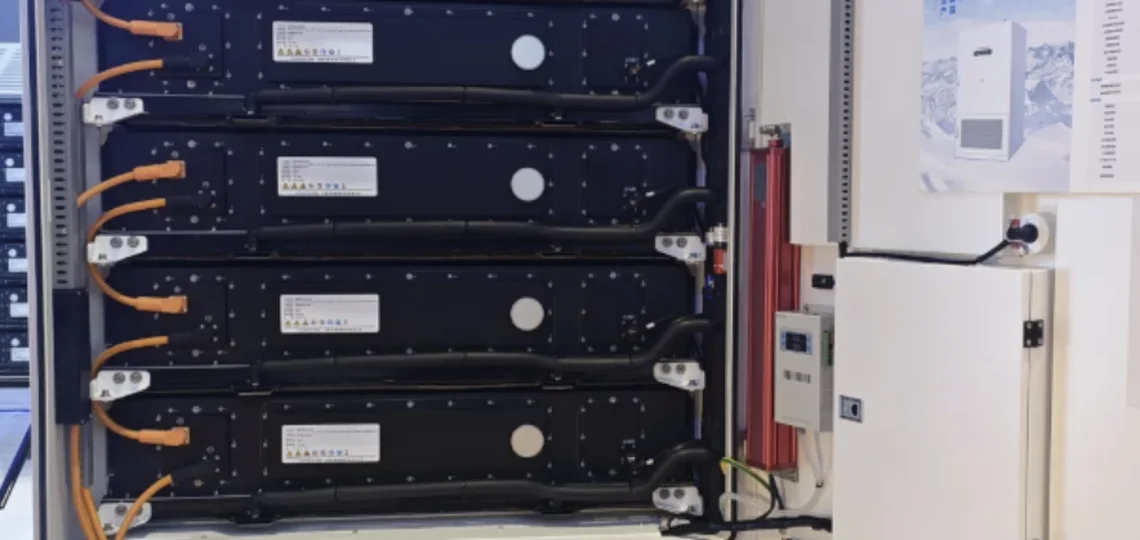
ENGIE has also completed the commissioning of its Battery Energy Storage System (BESS) in Vilvoorde, two months ahead of schedule. With a capacity of 200 MW and 800 megawatt-hours (MWh), this facility is one of the largest in Europe and can deliver the daily electricity consumption of 100,000 households over four hours. An expansion to 300 MW and 1,200 MWh is under consideration.
The group has also secured a new contract for an 80 MW project in Drogenbos, which will complement the Kallo and Vilvoorde sites to reach a total installed capacity of 380 MW and 1.5 gigawatt-hours (GWh) of battery storage in Belgium by 2027.
Modernisation of the Coo power station
ENGIE is continuing a major modernisation programme for the Coo pumped-storage plant, which has been operational for more than fifty years. Following the elevation of the upper reservoir dikes, ongoing work aims to add 79 MW and 450 MWh of capacity, bringing total output to 1.16 gigawatts (GW) and 6.45 GWh of storage. These upgrades are intended to extend the facility’s operational lifespan while supporting nationwide flexibility needs.
European expansion of flexible assets
At the European level, ENGIE reports having 531 MW of BESS capacity in operation or under construction as of the end of June 2025. The group recently announced two new battery projects in Romania totalling 85 MW and 170 MWh, as well as the acquisition of three projects in Italy with a combined capacity of 250 MW and 1 GWh. These developments are aligned with ENGIE’s global target of reaching 95 GW of renewable and storage capacity by 2030.
“Flexibility is at the core of the energy system,” said Paulo Almirante, ENGIE Deputy Chief Executive Officer. “In Belgium and elsewhere, our strategy relies on complementarity: renewable generation, storage and dispatchable assets.”