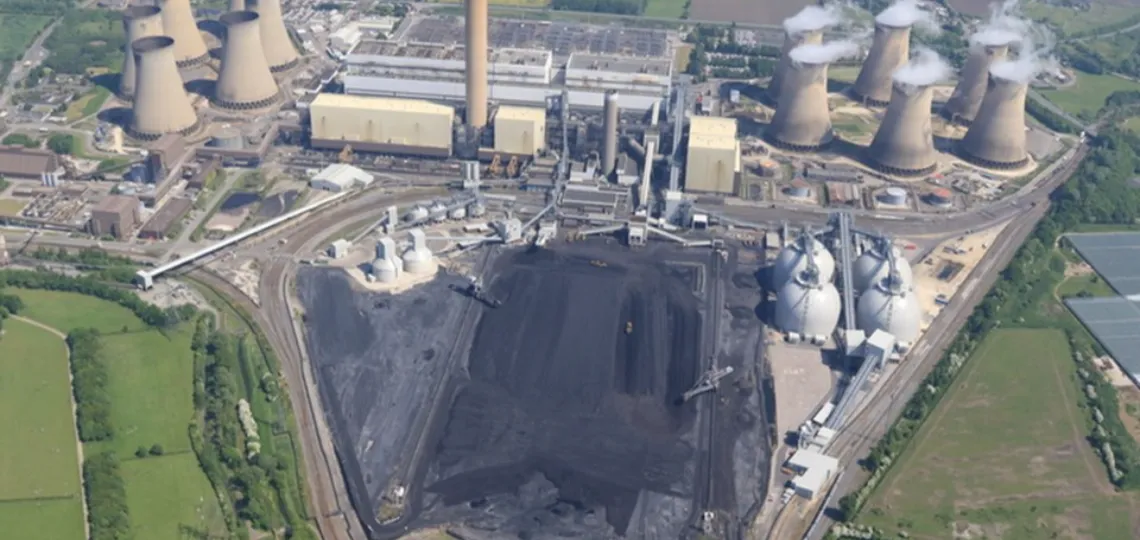
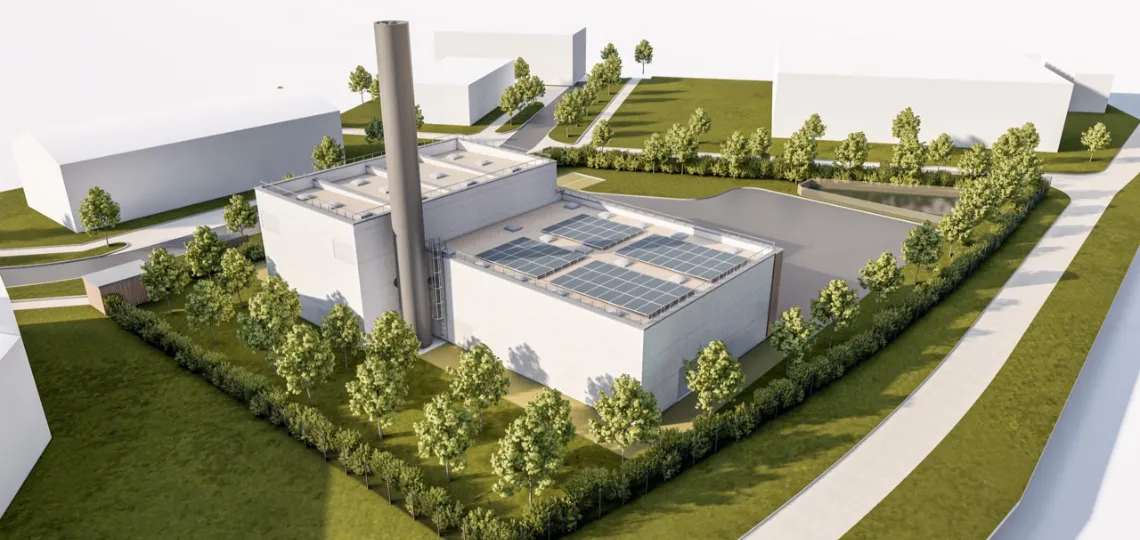
UK energy group Drax plans to repurpose part of its historic coal-fired power site in Yorkshire into a 100-megawatt data centre, with commissioning targeted for 2027. The company said it would soon submit a planning application for this initial phase, as part of a strategy to optimise the use of its existing assets.
Up to £2bn in planned investments
Drax indicated that up to £2bn ($2.52bn) could be allocated to incremental investments in the coming years, mainly directed towards flexible infrastructure and renewable energy. The London-listed group plans to leverage its existing grid connections to integrate the data centre into the UK’s energy system more efficiently.
The site’s conversion comes amid increasing regulatory and political scrutiny. The UK government recently announced it would halve subsidies paid to Drax by 2027 due to ongoing controversies over its imported biomass usage. Drax had recently signed a revised subsidy agreement imposing stricter limits on its generation methods.
Strong financial performance despite regulatory pressure
In a trading update, Drax said it expects full-year 2025 adjusted earnings to be at the top end of market estimates, between £892mn ($1.12bn) and £909mn ($1.14bn), driven by the performance of its flexible generation, biomass and pellet operations. The group highlighted that it had secured £2.3bn ($2.9bn) in contracted power sales through the first quarter of 2027, including biomass, pumped storage and hydroelectric assets.
Drax Group Chief Executive Officer Will Gardiner stated that the company aims to generate around £3bn ($3.78bn) in free cash flow between 2025 and 2031. These funds could support investments in energy security, data centres, and flexible energy infrastructure.
A strategy under pressure amid ongoing controversy
Drax is currently under investigation by the Financial Conduct Authority (FCA) regarding the sourcing of its wood pellets. In 2024, the group was fined £25mn ($31.5mn) by the energy regulator Ofgem for failing to report accurate sustainability data.
Investor criticism has also intensified, with Moore Capital founder Louis Bacon describing Drax as an “environmental and ethical calamity”. The criticism centres on the company’s claims of renewable energy production through the combustion of imported biomass.
Despite these pressures, Drax shares rose by 1.91% on Thursday, closing at 775.50p, up more than 20% over the past twelve months.