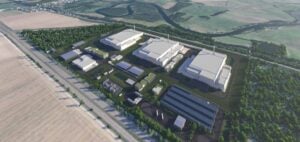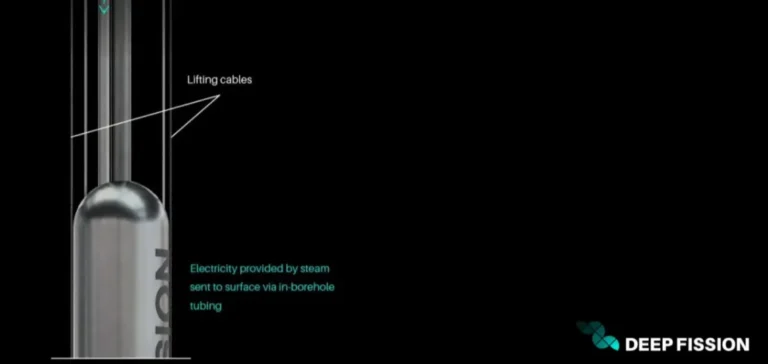

Deep Fission has announced the installation of an underground 15 MWe modular nuclear reactor at Great Plains Industrial Park in Parsons, Kansas. The project is part of the Department of Energy’s (DOE) Reactor Pilot Program, an accelerated framework aimed at quickly authorising demonstration reactors on industrial sites. The reactor will be buried 1.6 km deep in a 30-inch borehole, with criticality targeted for July 4, 2026.
Borehole-based architecture using oil and geothermal components
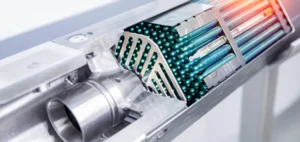
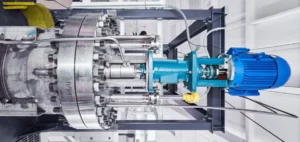
The Gravity model developed by Deep Fission is based on a conventional pressurised water reactor (PWR) design, combined with a deep vertical borehole installation. The design uses low-enriched uranium (LEU), a non-radioactive steam circuit to the surface, and standard components from the oil and geothermal industries. The water column provides hydrostatic pressure that partially replaces traditional containment vessels, shifting some safety responsibilities to the surrounding geology.
This setup reduces surface-level civil engineering requirements and allows for the reuse of suppliers qualified outside the nuclear sector. The objective is to simultaneously reduce capital expenditure (CAPEX), permitting delays, and community opposition, targeting primarily data centres and energy-intensive industrial facilities.
Repurposed land for heavy technological projects
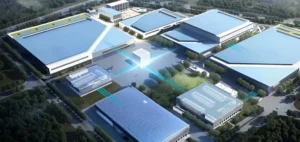
The selected site is the former Kansas Army Ammunition Plant, now redeveloped as Great Plains Industrial Park—a 6,800-acre logistics and energy hub with 30 miles of rail infrastructure. The park is already structured around heavy infrastructure and features existing electricity and water networks. It actively targets data centre clients with high-capacity electrical and fibre connectivity.
The project benefits from favourable local conditions, supported by the Great Plains Development Authority, Labette County authorities, and technical training institutions. These stakeholders are seeking skilled jobs and land value creation while reinforcing their positioning in the energy supply chain.
Regulatory mechanism outside NRC licensing
Project authorisation was granted directly by the DOE under an Other Transaction Agreement (OTA), a flexible contractual tool typically used for defence R&D. This framework temporarily bypasses the full licensing process of the Nuclear Regulatory Commission (NRC), which is considered too slow for rapid deployment.
This legal exemption sets a precedent that could define a new development path for modular nuclear reactors. However, it also raises legal risks regarding safety acceptance levels, contractual transparency, and environmental appeals. Several NGOs and local opponents are closely monitoring the project’s evolution.
Business model and supply chain strategy
Deep Fission secured funding through a reverse merger with Surfside Acquisition and a $30mn private placement, enabling rapid public valuation. The model is based on deploying 15 MWe units in clusters across industrial or logistics sites. The company targets commissioning within six months post-drilling, leveraging a mostly U.S.-based supply chain, including oil, geothermal, and electronics sectors.
Using off-the-shelf components reduces dependence on heavy nuclear suppliers, particularly large steam generators and reactor vessels. If successful, the concept could be replicated at other brownfield sites or former military infrastructures.
Strategic impact and export potential
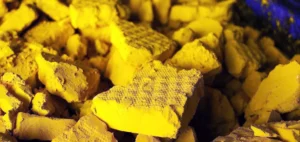
The project aligns with the U.S. federal strategy to quadruple nuclear capacity by 2050 while reducing reliance on Russian and Chinese technologies. The use of LEU avoids constraints linked to HALEU fuel, which is subject to international sanctions, and facilitates compliance with non-proliferation rules.
The modular and buried format, coupled with streamlined administrative procedures, could offer a standardised, exportable model for allied countries—especially those undergoing industrial reconversion or developing digital infrastructure hubs. The design is adaptable to sensitive sites, with potential use in critical infrastructure.