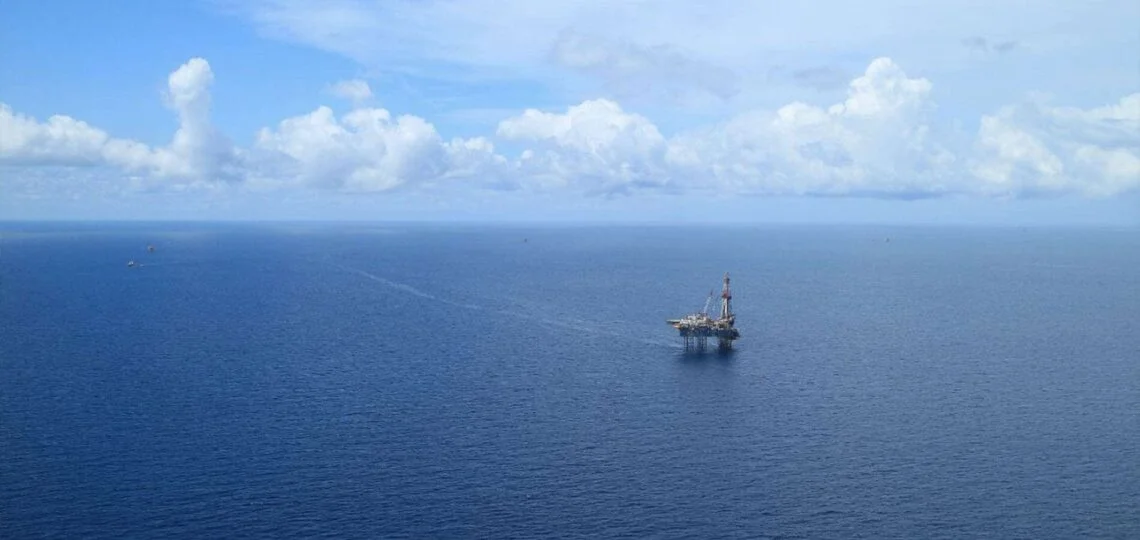
Dangote escalates oil dispute with Nigerian regulator over fuel imports

Aliko Dangote accuses Nigeria’s oil regulator of threatening local refineries by enabling refined fuel imports, while calling for a corruption probe against its director.
Share:

Comprehensive energy news coverage, updated nonstop

Annual subscription

8.25$/month*

*billed annually at 99$/year for the first year then 149,00$/year ​

Unlimited access • Archives included • Professional invoice

OTHER ACCESS OPTIONS

Monthly subscription

Unlimited access • Archives included

5.2$/month*
then 14.90$ per month thereafter

FREE ACCOUNT

3 articles offered per month

FREE

*Prices are excluding VAT, which may vary depending on your location or professional status

Since 2021: 35,000 articles • 150+ analyses per week

Aliko Dangote, Nigeria’s richest man, has escalated his criticism of the Nigerian Midstream Downstream Petroleum Regulatory Authority (NMDPRA), accusing the agency of favouring low-cost fuel imports that jeopardise the profitability of domestic refineries, including his own facility in Lagos.
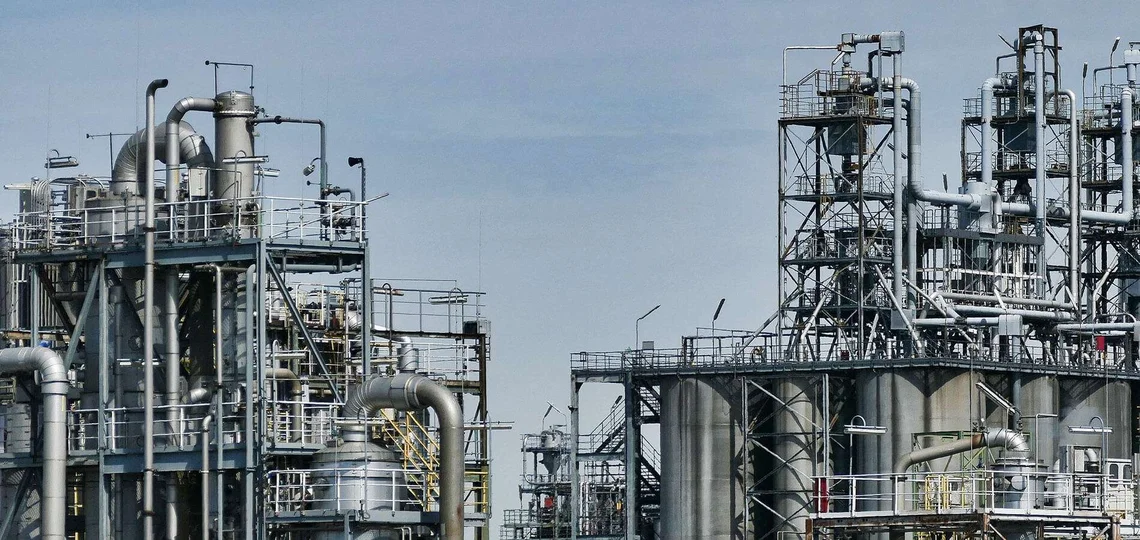
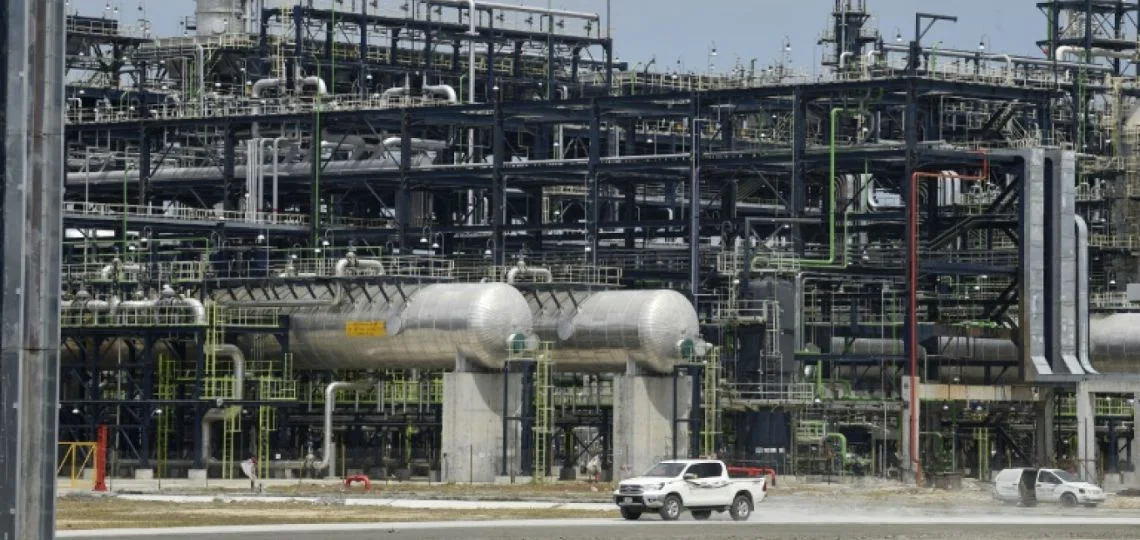
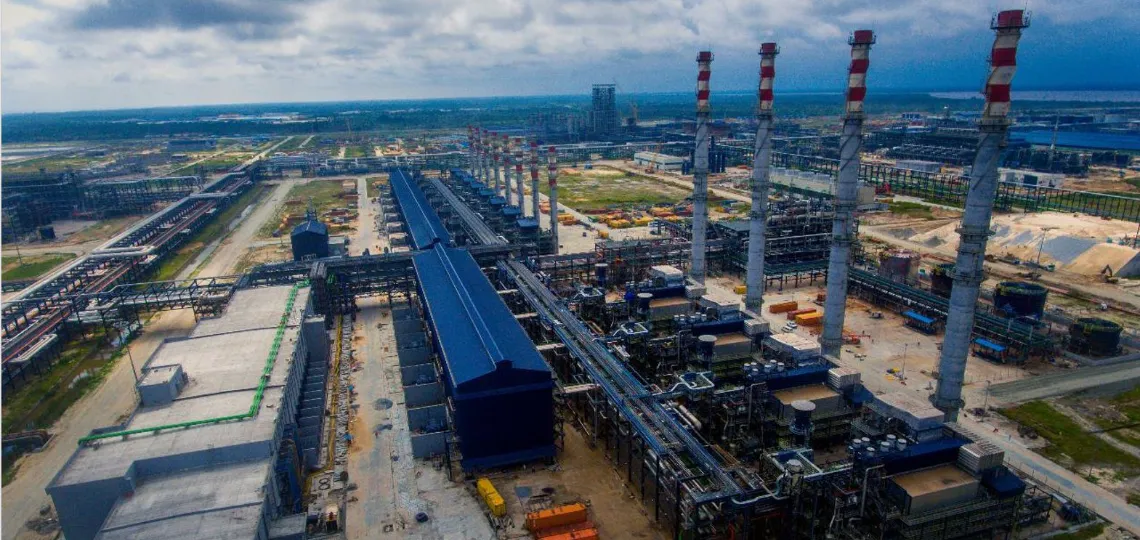
The Dangote complex, with a reported capacity of 650,000 barrels per day, was built to reduce the country’s reliance on imported fuel. However, according to its founder, the lack of regulatory support is threatening the viability of the entire project. “You don’t use imported goods to curb domestic potential,” he said during a press briefing at the industrial site.

Open conflict over capacity and national priorities

The regulator, led by Farouk Ahmad, recently advised the president against banning the import of refined petroleum products, arguing that domestic output cannot meet the daily demand estimated at 55 million litres. Dangote disputes this, claiming that official figures reflect distribution data rather than true production capacity at his refinery.

The Dangote Group also claims the NMDPRA is failing to enforce an existing regulation that guarantees local refineries priority access to Nigerian crude oil. As a result, the Lagos refinery is forced to import nearly 100 million barrels of crude per year, a volume expected to double with the facility’s expansion.

Call for investigation and financial stakes for local economy

Aliko Dangote has called for an official investigation into the conduct of Farouk Ahmad, citing discrepancies between the director’s legitimate earnings and his personal expenditures. The regulator has not issued any comment at this time. Ahmad previously stated that Dangote was seeking a monopoly while being unable to meet national demand.

At the same time, Dangote reaffirmed his plans for the company, including listing it on the local stock exchange and paying dividends in US dollars. He described the industrial project as “too large to fail”, stressing the need to safeguard the investments made in the face of what he sees as distorted market competition.

An industrial model challenged by political arbitration

Nigeria, Africa’s largest oil producer, remains heavily dependent on fuel imports. State-owned refineries, either shut down or underperforming, fail to cover domestic needs. The Dangote project, expected to alter this energy equation, faces a regulatory framework accused of favouring import channels over local industrial development.

Continued expansion of the Dangote refinery could reshape Nigeria’s energy sector, provided market conditions and regulatory alignment improve to ensure coordination between local output and national energy security.

Oil prices drop amid progress in Ukraine talks and expectations of oversupply, pushing West Texas Intermediate below $55 for the first time in nearly five years.
The US energy group plans to allocate $1.3bn to growth and $1.1bn to asset maintenance, with a specific focus on natural gas liquids and refining projects.
Venezuelan state oil group PDVSA claims it was targeted by a cyberattack attributed to foreign interests, with no impact on main operations, amid rising tensions with the United States.
BUTEC has finalised the financing of a 50 MW emergency power project in Burkina Faso, structured under a BOOT contract and backed by Banque Centrale Populaire Group.
BW Energy has signed a long-term lease agreement with Minsheng Financial Leasing for its Maromba B platform, covering $274mn of the project’s CAPEX, with no payments due before first oil.
Shell will restart offshore exploration on Namibia’s PEL 39 block in April 2026 with a five-well drilling programme targeting previously discovered zones, despite a recent $400mn impairment.
Iranian authorities intercepted a vessel suspected of fuel smuggling off the coast of the Gulf of Oman, with 18 South Asian crew members on board, according to official sources.
Harbour Energy will acquire Waldorf Energy Partners’ North Sea assets for $170mn, increasing its stakes in the Catcher and Kraken fields, while Capricorn Energy settles part of its claims.
The Big Beautiful Gulf 1 sale attracted more than $300mn in investments, with a focused strategy led by BP, Chevron and Woodside on high-yield blocks.
The United States intercepted an oil tanker loaded with Venezuelan crude and imposed new sanctions on maritime entities, increasing pressure on Nicolas Maduro’s regime and its commercial networks in the Caribbean.
OPEC expects crude demand from its members to reach 43 million barrels per day in 2026, nearly matching current OPEC+ output, contrasting with oversupply forecasts from other institutions.
The United States seized a vessel suspected of transporting sanctioned oil from Iran and Venezuela, prompting a strong reaction from Nicolás Maduro's government.
The International Energy Agency lowers its global oil supply forecast for 2026 while slightly raising demand growth expectations amid improved macroeconomic conditions.
South Sudanese authorities have been granted responsibility for securing the strategic Heglig oilfield following an agreement with both warring parties in Sudan.
TotalEnergies acquires a 40% operated interest in the offshore PEL83 license, marking a strategic move in Namibia with the Mopane oil field, while Galp secures stakes in two other promising blocks.
BOURBON will provide maritime services to ExxonMobil Guyana for five years starting in 2026, marking a key step in the logistical development of the Guyanese offshore basin.
Viridien has launched a 4,300 sq km seismic reimaging programme over Angola’s offshore block 22 to support the country’s upcoming licensing round in the Kwanza Basin.
Shell restructures its stake in the Caspian pipeline by exiting the joint venture with Rosneft, with Kremlin approval, to comply with sanctions while maintaining access to Kazakh crude.
Shell acquires 60% of Block 2C in the Orange Basin, commits to drilling three wells and paying a $25mn signing bonus to PetroSA, pending regulatory approval in South Africa.
Malgré la pression exercée sur le gouvernement vénézuélien, Washington ne cherche pas à exclure Caracas de l’OPEP, misant sur une influence indirecte au sein du cartel pour défendre ses intérêts énergétiques.

All the latest energy news, all the time

Annual subscription

8.25$/month*

*billed annually at 99$/year for the first year then 149,00$/year ​

Unlimited access - Archives included - Pro invoice

Monthly subscription

Unlimited access • Archives included

5.2$/month*
then 14.90$ per month thereafter

*Prices shown are exclusive of VAT, which may vary according to your location or professional status.

Since 2021: 30,000 articles - +150 analyses/week.