Cryogenic Battery Thrills Energy Sector

Highview Power is developing CRYOBattery technology, a 50 MW cryogenic battery that can store energy for more than eight hours. Sumitomo Heavy Industries has invested $46 million to support this project in the context of the transition to renewable energies.
Share:

Comprehensive energy news coverage, updated nonstop

Annual subscription

8.25$/month*

*billed annually at 99$/year for the first year then 149,00$/year ​

Unlimited access • Archives included • Professional invoice

OTHER ACCESS OPTIONS

Monthly subscription

Unlimited access • Archives included

5.2$/month*
then 14.90$ per month thereafter

FREE ACCOUNT

3 articles offered per month

FREE

*Prices are excluding VAT, which may vary depending on your location or professional status

Since 2021: 35,000 articles • 150+ analyses per week

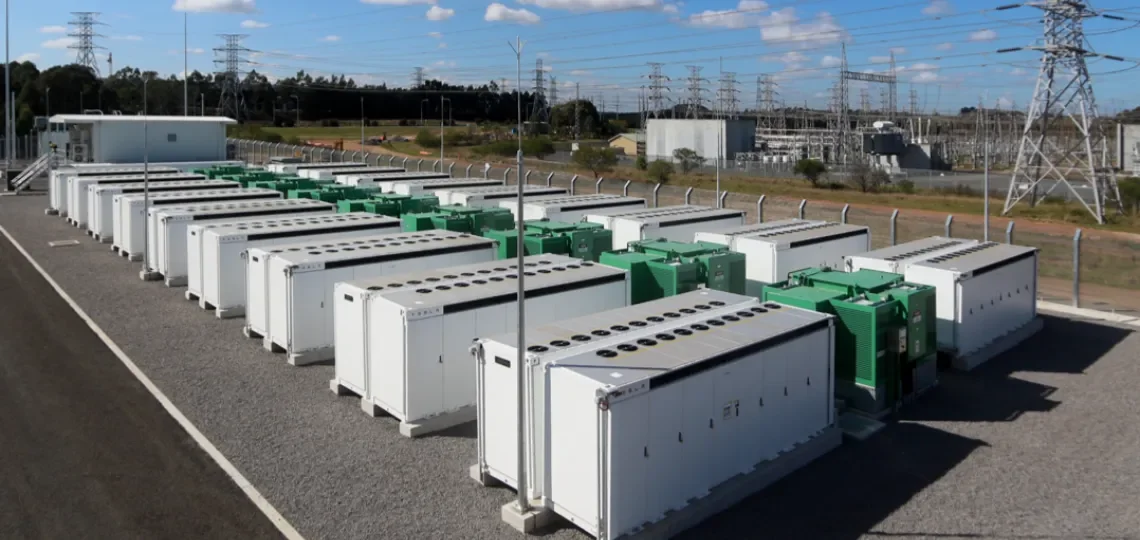
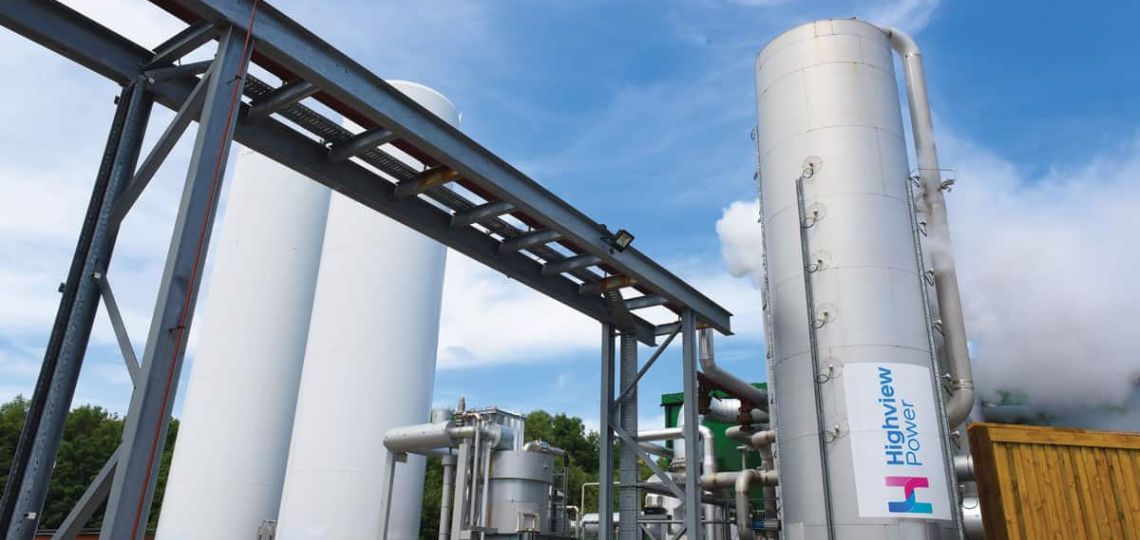
A Cryogenic battery from HighPower. Although lithium-ion-based systems have dominated the US market for new energy storage resources in recent years, they do have limitations. Highview is one of dozens of energy storage innovators offering alternatives to lithium-ion batteries.

The CRYOBattery solution: a cryogenic battery

Salvatore Minopoli, Vice President of US subsidiary Highview Power Storage Inc, tells S&P Global that he expects demand for energy storage capacity to evolve. He estimates that power grids will increasingly need eight hours or more of storage, whereas current electrochemical options offer solutions that go no further than four hours.

This is why Highview Power is developing the CRYOBattery project, a 50 MW cryogenic energy storage system with over eight hours of energy storage.

Highview currently operates two pilot plants in the UK that demonstrate its cryogenic thermal storage concept. Based on industrial processes adapted from the electricity and gas sectors, Highview uses off-peak or excess electricity to compress and refrigerate air, storing it in liquid form in large tanks, then releasing it in gaseous form to drive a turbine and generate electricity. After several years of field trials, the company began developing large-scale plants in the UK and Vermont last year.
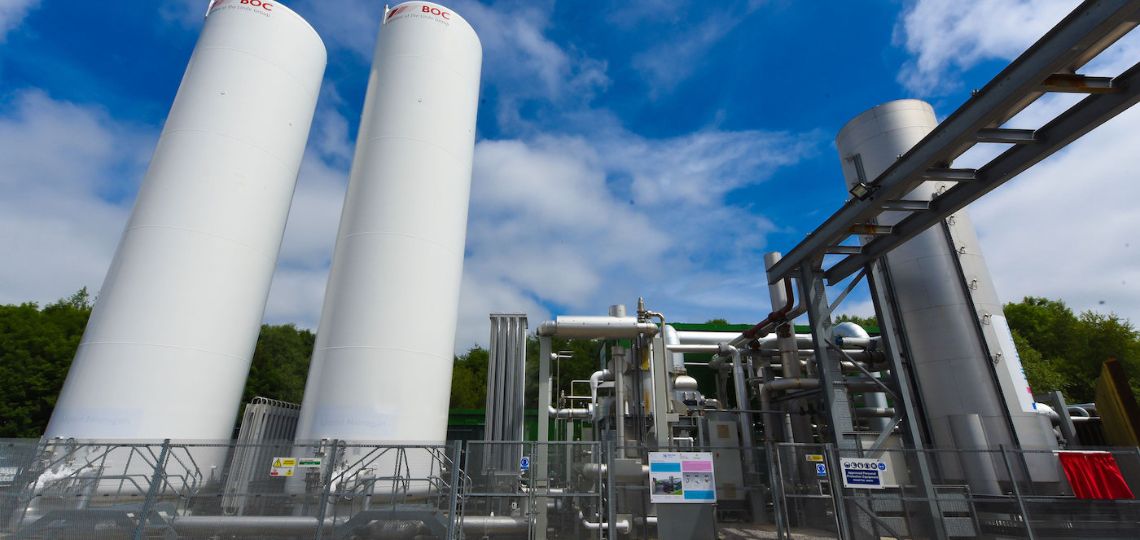
Cryogenic battery
The CRYOBattery power plant in Pilsworth, UK (Source: Highview Power).

CRYOBattery and Highview Power generate significant investment for Cryogenic battery

Global industrial conglomerate Sumitomo Heavy Industries has invested $46 million in Highview Power, becoming the company’s largest minority shareholder. The money will support Highview’s quest to commercialize large-scale energy storage facilities, a crucial element for a power system with large amounts of renewable generation.

“For Sumitomo Heavy Industries, this isn’t a venture capital investment, it’s a strategic bet,” Highview CEO Javier Cavada told Greentech Media. “This is a huge company that sees this technology as the cornerstone of its future.”

In its 15 years of existence, Highview has raised £25 million, according to Cavada. This new round of financing, which may be joined by other investors, values the company at $330 million.

How long-life storage technologies fit into the energy transition with the Cryogenic battery

Companies have spent years developing devices that can store energy for more hours than lithium-ion batteries can cost-effectively handle. The main obstacle, apart from overcoming persistent cost reductions by lithium-ion battery manufacturers, was that few customers had needed to buy long-term storage in previous years.

This is starting to change, comments Greentech Media, as the penetration of renewables in some markets makes it worthwhile to build long-term electricity storage capacity. With a growing number of states legally committing to carbon-free electricity generation, these jurisdictions will also need a way to guarantee storage capacity when solar and wind production declines.

CRYOBattery technology already recognized

Highview Power has received an honorable mention in the “Energy” category of Fast Company’s 2020 World Changing Ideas for its CRYOBattery, reports Renewable Energy Magazine. World Changing Ideas is one of Fast Company’s major annual awards programs. It focuses on the social good and seeks to highlight finished products and courageous concepts that make the world a better place.

“We are delighted to be recognized by such an esteemed organization for our CRYOBattery technology. This recognition is testament to the need for long-lasting energy storage and our technology in particular, which we believe is an essential element in building the foundations for a 100% renewable future,” said Mark Somerset, Director of Business Growth at Highview Power.
Cryogenic battery
CRYOBattery receives an honorable mention in the “Energy” category of Fast Company’s 2020 World Changing Ideas (Source: Highview Power).
Canadian company Vision Lithium has completed a private placement of 14 mn flow-through shares totalling $209,000 to support its mineral exploration projects in Québec.
Matrix Renewables has signed a turnkey agreement with Tesla to develop a 1 GWh battery energy storage system in Scotland, marking its first standalone project of this kind in the UK.
China's electricity market overhaul improves the profitability of energy storage, supporting a rapid increase in battery exports as global demand rises with data centres and power grids.
South Korea’s Tilda accelerates its entry into Vietnam with an artificial intelligence-based energy optimisation solution for solar and energy storage systems in the manufacturing sector.
Aegis Critical Energy Defence Corp. and Seetel New Energy have created Cordelia BESS to respond to Ontario’s LT2 call for proposals, aimed at strengthening energy capacity through battery storage.
esVolta finalises investment tax credit transfer for its Black Walnut storage project to Computacenter, marking a first-of-its-kind operation within its California energy portfolio.
Peregrine Energy Solutions has begun construction on a 500 MWh storage project in Texas, relying on Wärtsilä's technology and WHC's engineering expertise to enhance ERCOT grid flexibility.
The world's largest battery energy storage system enters service in Saudi Arabia, with an annual capacity of 2.2 billion kWh spread across three strategic sites in the southwest of the country.
Masdar begins commercial operations at a Stockport battery storage unit and announces two more UK projects, part of a £1bn ($1.25bn) plan for 3GWh of BESS capacity.
Australia-based storage platform Akaysha Energy has launched its first operational project, a 155 MW battery in Queensland, while confirming its expansion to over 1 GWh.
LehmanSoft Japan connected a 2MW/8.1MWh energy storage facility to the grid in Chichibu City, marking its entry into the Japanese stationary storage market.
Akuo launches a large-scale electricity storage project in Boulouparis, with a 200 MWh capacity, to support New Caledonia’s grid stability and reinforce the integration of renewable energies.
Spie and Tesla have signed a framework agreement to install battery electricity storage systems in Europe, focusing on France, Poland and Germany.
The group has won a strategic project with operator Amprion to deploy five 50 MW batteries to ease pressure on the German power grid and optimise electricity transmission.
Vena Energy has begun construction of a 408 MWh battery energy storage system in Tailem Bend, marking a new phase in the deployment of its infrastructure in Australia.
The explosion of battery storage applications in Germany is causing grid congestion and pushing Berlin to revise its regulatory framework to prevent market saturation.
The collapse in storage costs positions batteries as a key lever for dispatchable solar, but dependence on Chinese suppliers creates growing tension between competitiveness and supply chain security.
JA Solar has launched a microgrid combining 5.2 MW of solar and 2.61 MWh of storage at an industrial site in Sicily, marking its first application of the "PV+Storage+X" model in Italy.
Sinexcel has installed a 2MW/8MWh energy storage system in Matsusaka, marking a breakthrough in a regulated market after five years of technical partnerships and gradual deployment in Japan.
Inlyte Energy has successfully completed factory validation testing of its first full-scale iron-sodium battery, witnessed by Southern Company, paving the way for a pilot installation in the United States in early 2026.

All the latest energy news, all the time

Annual subscription

8.25$/month*

*billed annually at 99$/year for the first year then 149,00$/year ​

Unlimited access - Archives included - Pro invoice

Monthly subscription

Unlimited access • Archives included

5.2$/month*
then 14.90$ per month thereafter

*Prices shown are exclusive of VAT, which may vary according to your location or professional status.

Since 2021: 30,000 articles - +150 analyses/week.