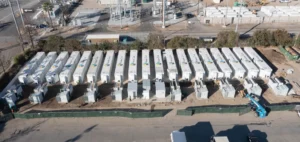
Jabil and Inno will co-develop a 15,000 sqm plant in Rayong, Thailand, to manufacture metal enclosures for battery energy storage systems, aiming to enhance vertical integration and secure supply chains.
The delivery of nuclear fuel by Russian subsidiary TVEL to the Da Lat research reactor marks a key step in strengthening the nuclear commercial partnership between Moscow and Hanoi.
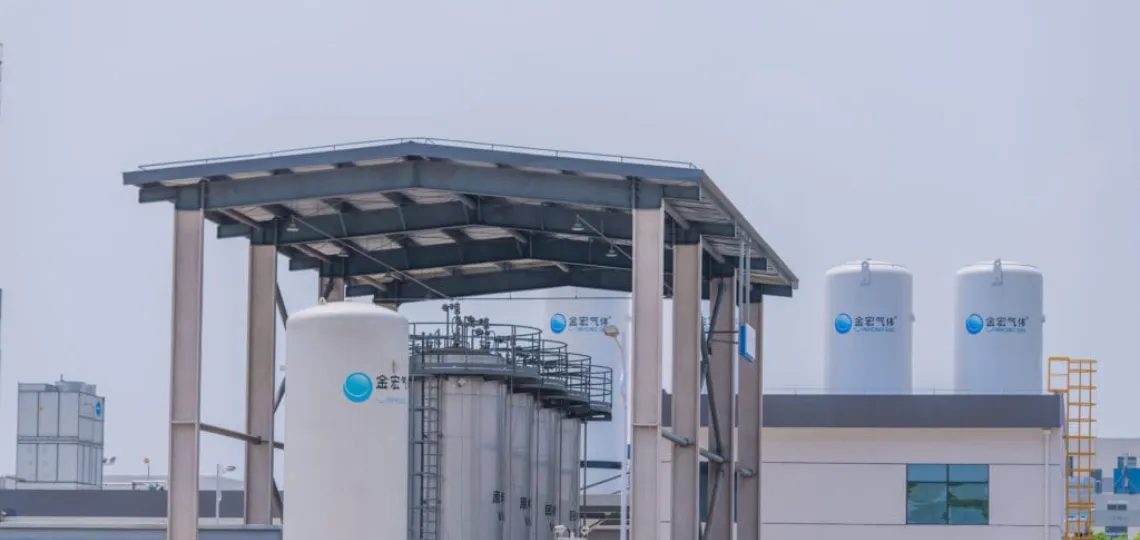
Chinese group Jinhong Gas finalises a new industrial investment in Spain, marking its first European establishment and strengthening its global strategy in the industrial gas sector.
Boviet Solar strengthens its industrial presence in the United States with a major investment in a new 3 GW photovoltaic cell plant in Greenville, consolidating its North American expansion strategy.
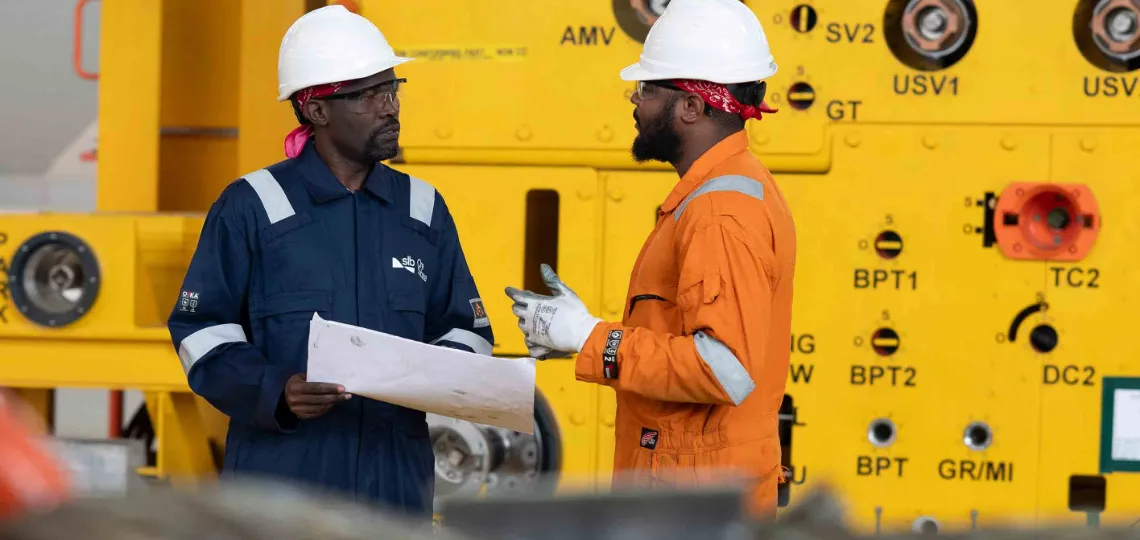
SLB OneSubsea has signed two EPC contracts with PTTEP to equip multiple deepwater gas and oil fields offshore Malaysia, extending a two-decade collaboration between the companies.
The Thai group targets energy distributors and developers in the Philippines, as the national grid plans PHP900bn ($15.8bn) in investments for new transformer capacity.
Thailand’s pending approval of transmission fees is holding back progress on an energy project linking Laos to Singapore via Malaysia, amid political uncertainty.
The government of Kinshasa has signed a memorandum of understanding with Vietnam's Vingroup to develop a 6,300-hectare urban project and modernise mobility through an electric transport network.
Gushine Electronics has opened a lithium battery plant in Vietnam, with an estimated annual production value of $100 mn, marking a new phase in the international deployment of its industrial capacities.
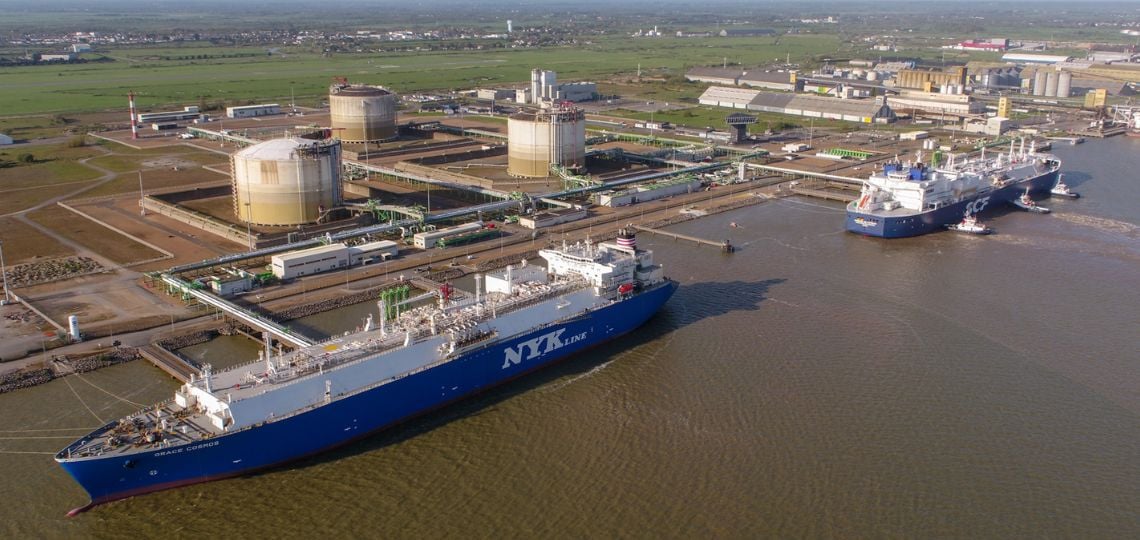
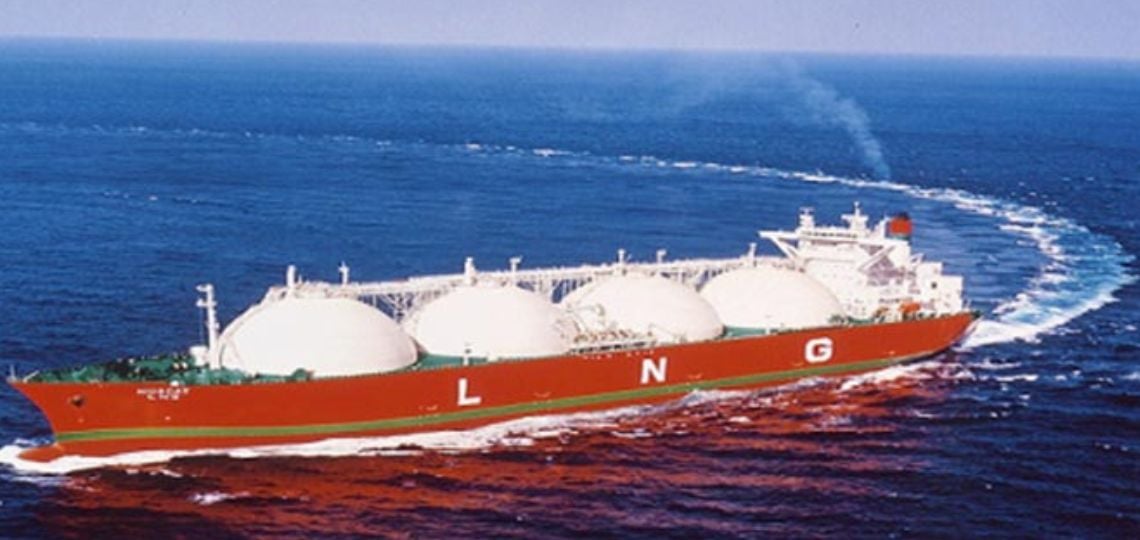
Platts' physical pricing platform records its second-highest LNG trading volume, with nearly 1.5 million tonnes exchanged despite regional demand slowdown.
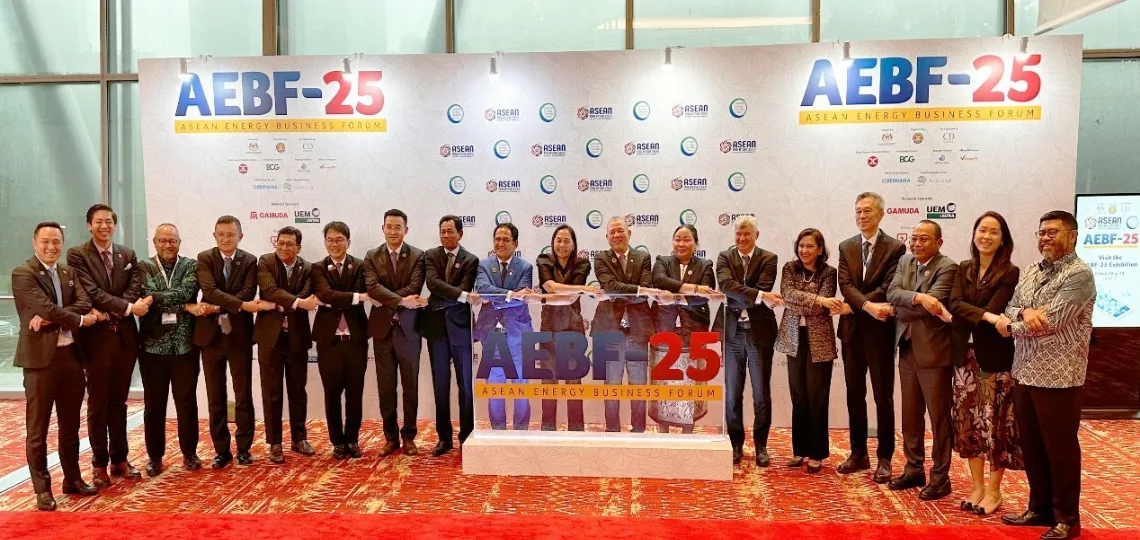
In Kuala Lumpur, Huawei Digital Power unveiled its grid-forming technologies, positioned as a strategic lever to strengthen power interconnections and accelerate energy market development across ASEAN.
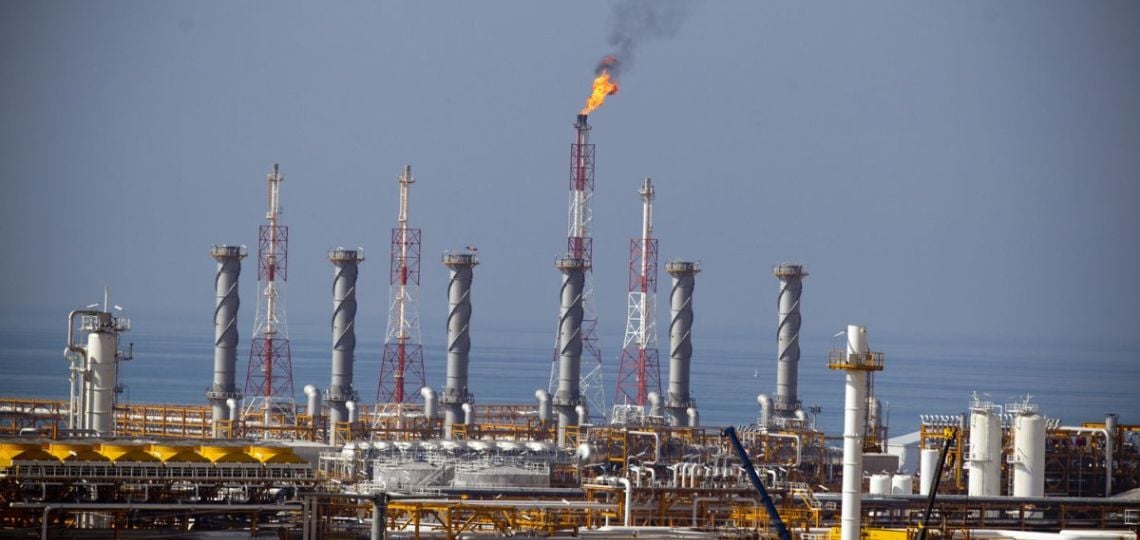
Faced with risks to Middle Eastern supply chains, Thai and Japanese refiners are turning to US crude, backed by tariff incentives and strategies aligned with ongoing bilateral trade discussions.
The ASEAN Power Grid enters a strategic phase with renewed support from regional and international institutions to structure electricity trade among member states and secure the necessary investments.
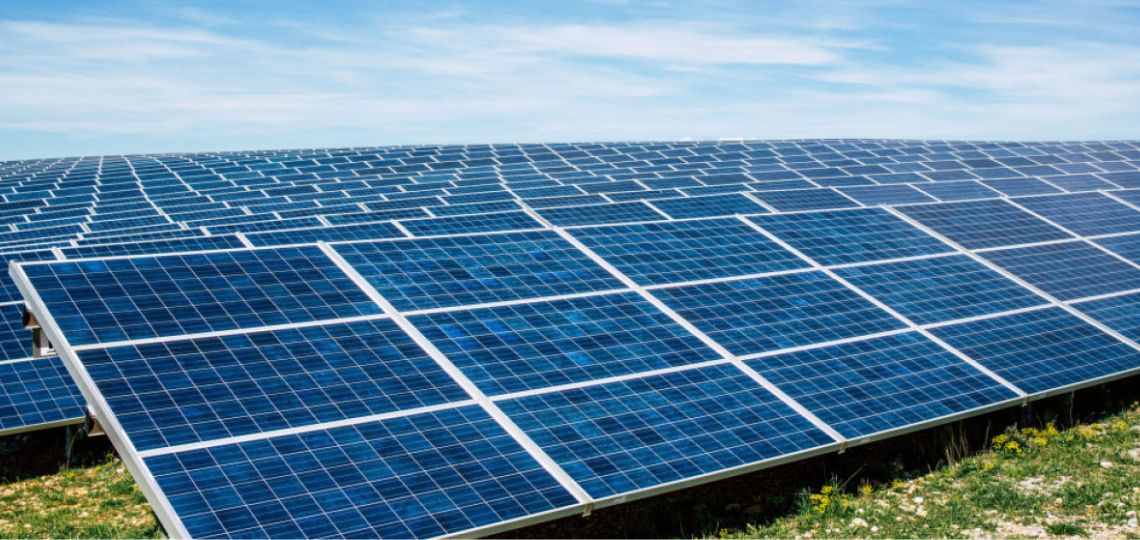
An alternative energy scenario proposes increasing solar and storage capacity by 2037 to reduce fossil fuel dependence and cut electricity generation costs in Thailand.
Facing energy security challenges, several Southeast Asian countries are turning to nuclear and could invest up to $208bn to reach 25 GW of capacity, favouring small modular reactors.
Despite record investment in clean energy in 2023, significant challenges remain in meeting the target of tripling renewable capacity by 2030, according to EY's latest RECAI report.
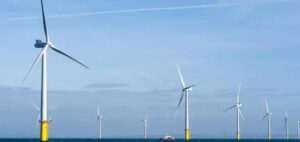
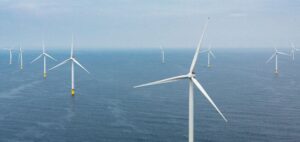
By 2023, the offshore wind industry had expanded significantly, laying the foundations for a decade of rapid growth thanks to key policy developments and strengthened collaborations.
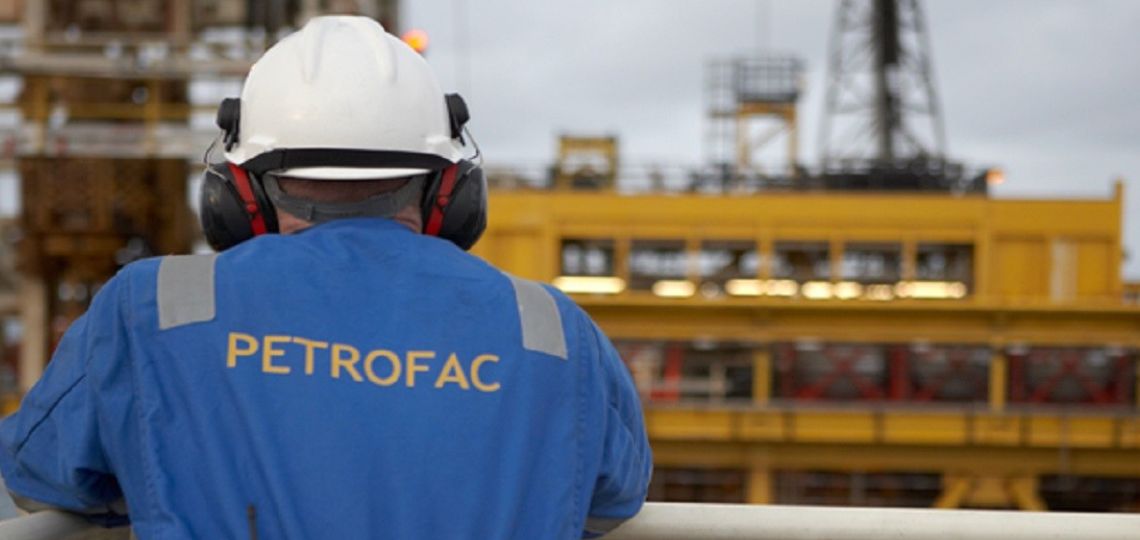
British oil and energy services group Petrofac has seen a spectacular jump in its share price after its suspension from listing was lifted, despite a heavier annual net loss.
CIP has completed construction of the Changfang-Xidao offshore wind project in Taiwan, increasing the country's offshore wind capacity by 25% and reinforcing its energy transition objectives.
Angola, having withdrawn from OPEC, is raising renewed hopes in Asia thanks to its increased oil production, offering greater flexibility in regional supply.
Asian refiners are assessing the impact of tensions in the Middle East on freight and marine insurance costs, without fearing for the security of crude oil supplies.
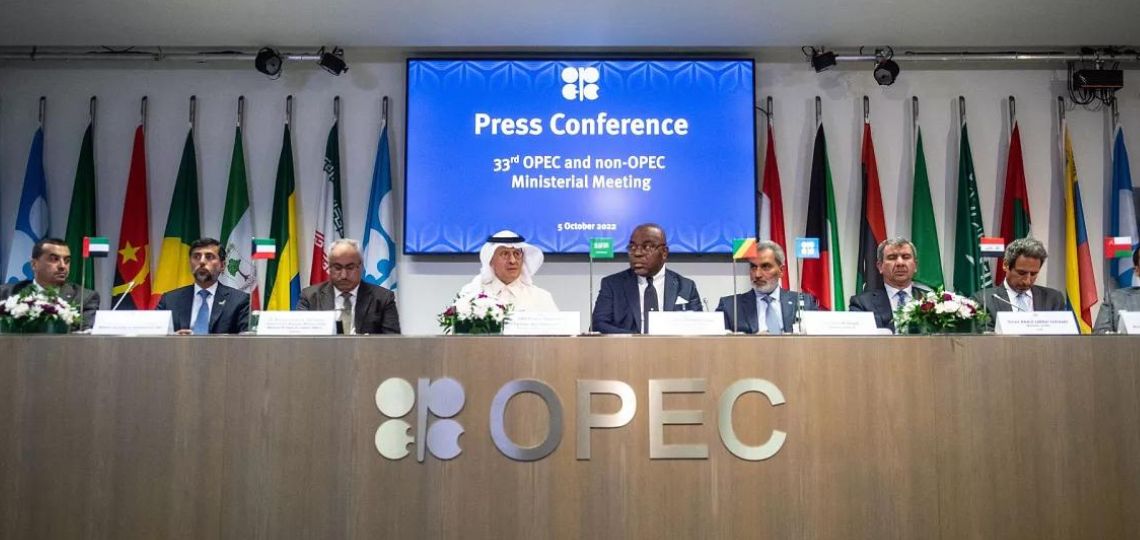
Despite recent OPEC+ production cuts, Middle Eastern suppliers continue to ensure a stable supply of crude oil to their Asian customers, preserving long-standing commercial relationships.
Vietnam is moving away from coal by 2030, with a planned 50% reduction in its current share of the energy mix, while emphasizing solar power and setting a target of 50% of homes or offices powered by this source by 2030.