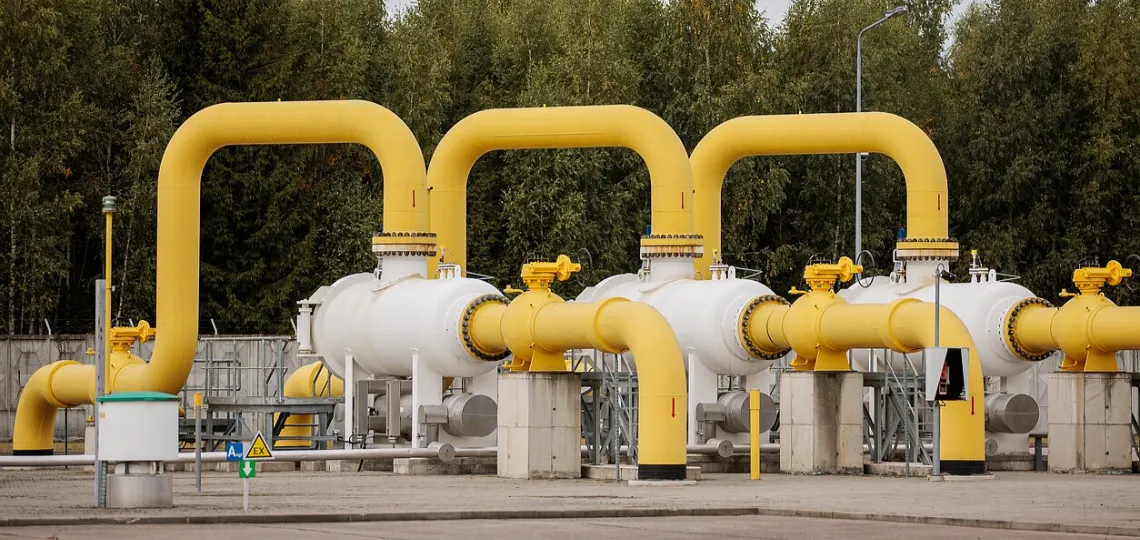
Pipeline natural gas deliveries from Russia to the European Union dropped by 44% in 2025, reaching their lowest level in five decades following the end of transit via Ukraine.
Amber Grid has signed an agreement to maintain gas transit to Russia’s Kaliningrad exclave, with a daily capacity cap of 10.5 mn m³ until the end of 2030, under a framework regulated by the European Union.
Ankara confirmed new Russian funding for the Akkuyu project, Turkey’s first nuclear site, strengthening its energy ties with Moscow and advancing its domestic nuclear ambitions.
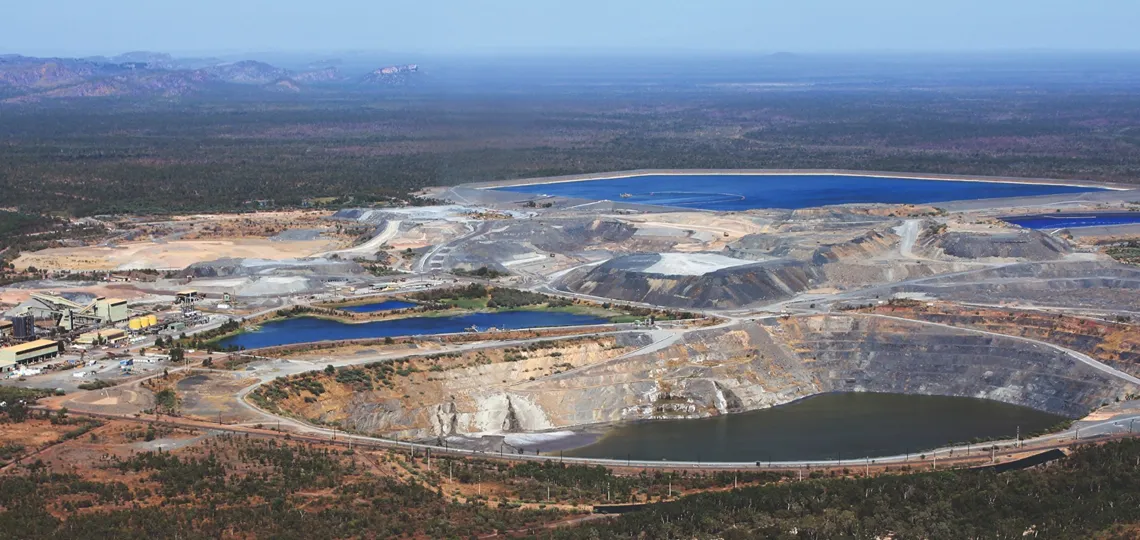
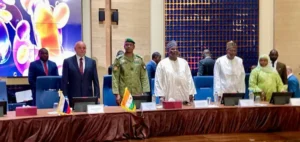
Niger’s military regime disputes theft allegations by French prosecutors after uranium stock vanished from a nationalised site previously operated by Orano.
Rosatom successfully completed a series of tests on its high-temperature gas-cooled reactor fuel, validating its performance at up to 1,700 °C under prolonged irradiation conditions.
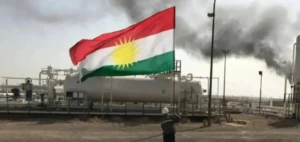
Baghdad states that all international companies operating in Kurdistan’s oil fields must transfer their production to state marketer SOMO, under the agreement signed with Erbil in September.
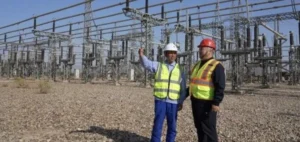
Shanghai Electric begins a combined-cycle expansion project across four Iraqi provinces, aiming to boost energy efficiency by 50% without additional fuel consumption.
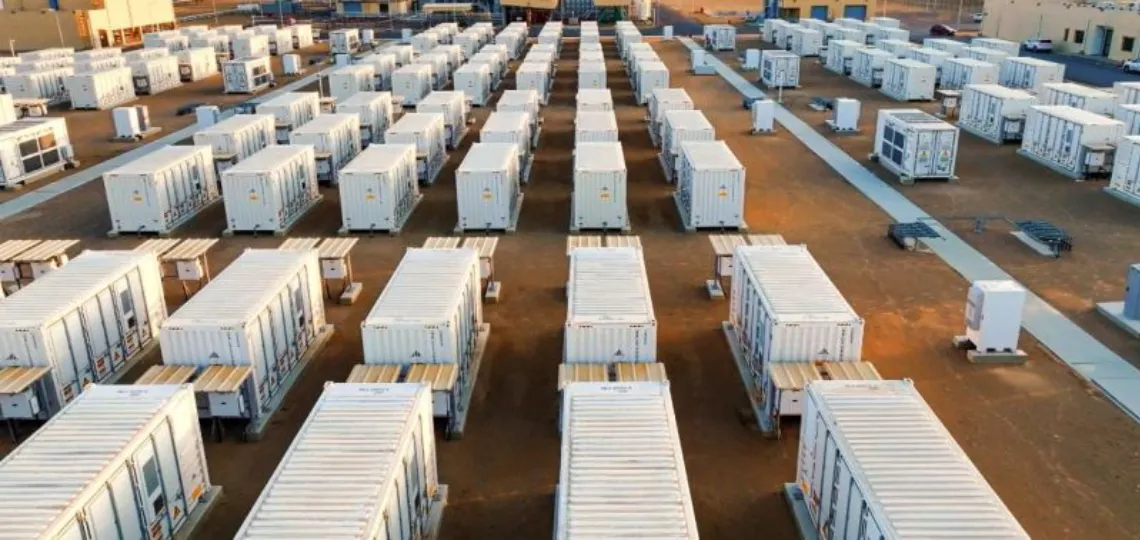
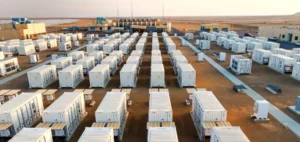
The world's largest battery energy storage system enters service in Saudi Arabia, with an annual capacity of 2.2 billion kWh spread across three strategic sites in the southwest of the country.
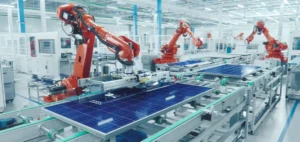
The ATUM Solar industrial complex, located in Ain Sokhna, will include three factories—two of 2 GW capacity—backed by a $220mn investment from an international consortium.
Abu Dhabi’s national oil company has secured a landmark structured financing to accelerate the development of the Hail and Ghasha gas project, while maintaining strategic control over its infrastructure.
Masdar begins commercial operations at a Stockport battery storage unit and announces two more UK projects, part of a £1bn ($1.25bn) plan for 3GWh of BESS capacity.
Le fonds souverain omanais a validé 141 projets en 2025 pour un engagement total de $1.2bn, visant à renforcer l’indépendance énergétique et l’industrialisation nationale à travers un programme d’investissement de $5.2bn.
US-based Holtec has signed a memorandum of understanding with Hungary’s energy group MVM to assess the deployment of its SMR-300 technology, strengthening bilateral nuclear cooperation and opening prospects for a new market in Central Europe.
The inclusion of hydrogen in China’s 15th Five-Year Plan confirms a public investment strategy focused on cost reduction, domestic demand stimulation and geo-economic influence across global markets.
The Bulgarian government has increased security around Lukoil’s Burgas refinery ahead of a state-led takeover enabled by new legislation designed to circumvent international sanctions.
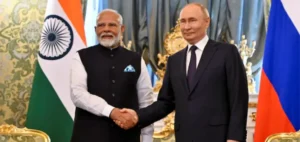
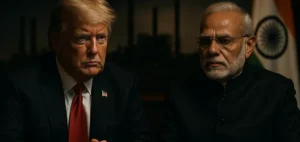
Russia and India are preparing an expanded agreement for the construction of VVER-1200 reactors and modular nuclear power plants, while accelerating work at the strategic Kudankulam site.
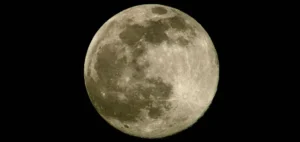
Nasa has launched a call for tenders for a nuclear reactor on the Moon by 2030, aiming to support American ambitions for a permanent base, despite budget uncertainties and mounting pressure from China and Russia.
The proliferation of Chinese industrial sites abroad, analysed by Wood Mackenzie, allows renewable energy players to expand their hold on the sector despite intensified global protectionist measures.
Eight OPEC+ countries boost output by 547,000 barrels per day in September, completing their increase program twelve months early as Chinese demand plateaus.
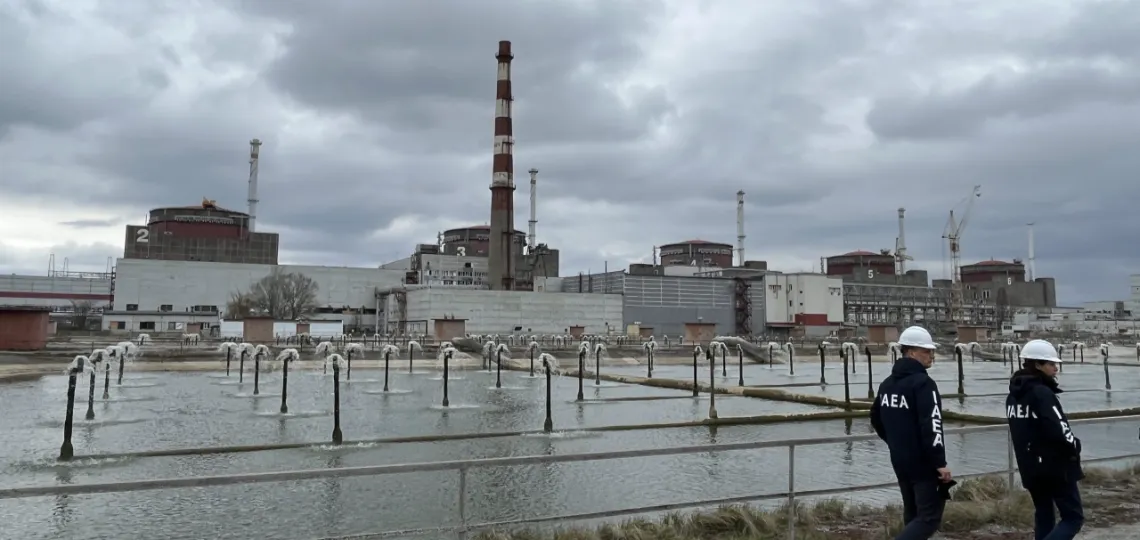
Explosions were heard near the Zaporizhzhia nuclear power plant, still under Russian military control, raising fresh concerns over the safety of the site and the Ukrainian energy sector.
Saudi Aramco and Sonatrach have announced a reduction in their official selling prices for liquefied petroleum gas in August, reflecting changes in global supply and weaker demand on international markets.
Tanzania, together with Russia, is starting construction of a uranium plant in Namtumbo for $1.2bn, aiming to boost mining revenues and secure a place in the global nuclear industry.
Faced with falling discounts on Russian oil, Indian Oil Corp is purchasing large volumes from the United States, Canada and Abu Dhabi for September, shifting its usual sourcing strategy.
Independent Chinese oil companies are intensifying their investments in Iraq, aiming to double their production to 500,000 barrels per day by 2030 and compete with the sector’s historic majors.
Facing US secondary sanctions threats, Indian refiners slow Russian crude purchases while exploring costly alternatives, revealing complex energy security challenges.
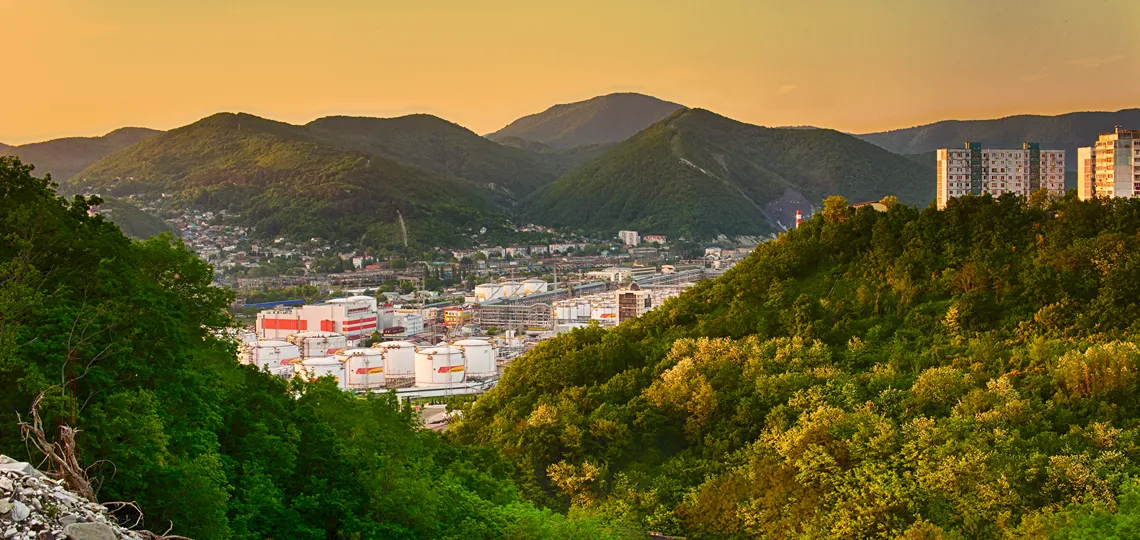
A fire broke out at a Sotchi oil depot after an attack by Ukrainian drones, causing no casualties but temporarily disrupting air traffic and mobilising significant emergency resources.
Hunatom announces a strategic alliance with Synthos Green Energy to introduce US small modular reactor technology, strengthening energy ties between Hungary, Poland and the United States.
The progress of national targets for renewable energy remains marginal, with only a 2% increase since COP28, threatening the achievement of the tripling of capacity by 2030 and impacting energy security.
Emerge has signed a twenty-year contract with Misk City for the supply of solar electricity through a 621 kWp photovoltaic plant, supporting the site’s environmental certification and urban transformation.
Washington triggers an unprecedented tariff structure combining 25% fixed duties and an additional unspecified penalty linked to Russian energy and military purchases.
The Russian Minister of Energy announces strengthened cooperation in uranium and civil nuclear energy in Niger, reinforcing Russia's economic presence in a key sector following the withdrawal of several Western players.