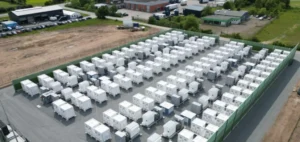
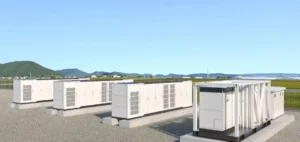
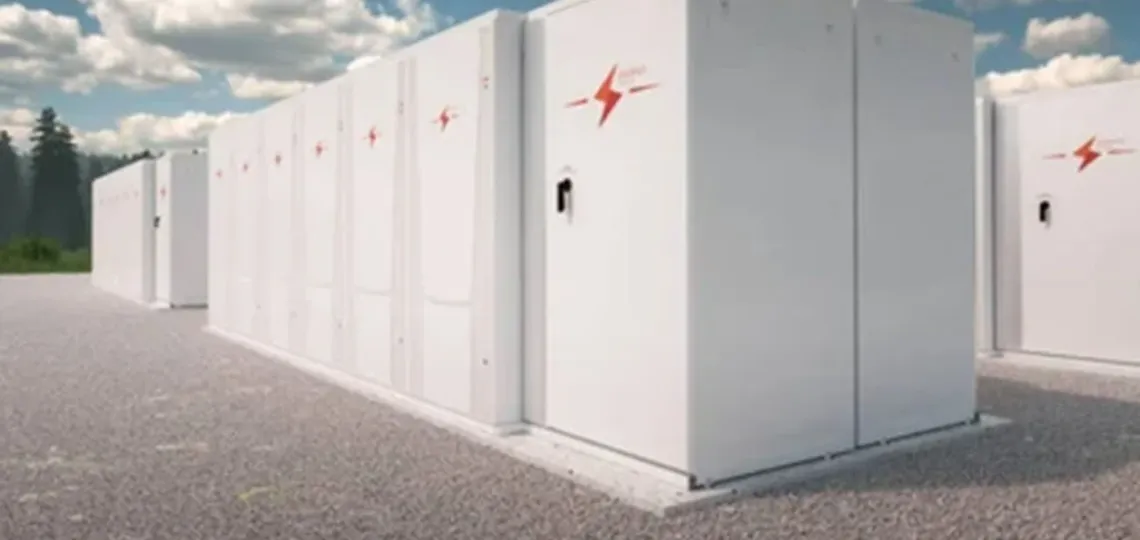
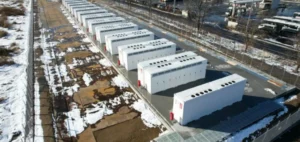
Port Inc. reports positive results from its battery storage pilot in Gunma, leveraging a regulatory window ahead of adjustment market reforms scheduled for fiscal year 2026.
Policy reversals, reduced performance and corporate disengagement marked an unprecedented slowdown in wind power in 2025, although China continued its expansion at a steady pace.
The Australian government will require up to 25% of gas extracted on the east coast to be reserved for the domestic market from 2027, in response to supply tensions and soaring prices.
South Korea’s Tilda accelerates its entry into Vietnam with an artificial intelligence-based energy optimisation solution for solar and energy storage systems in the manufacturing sector.
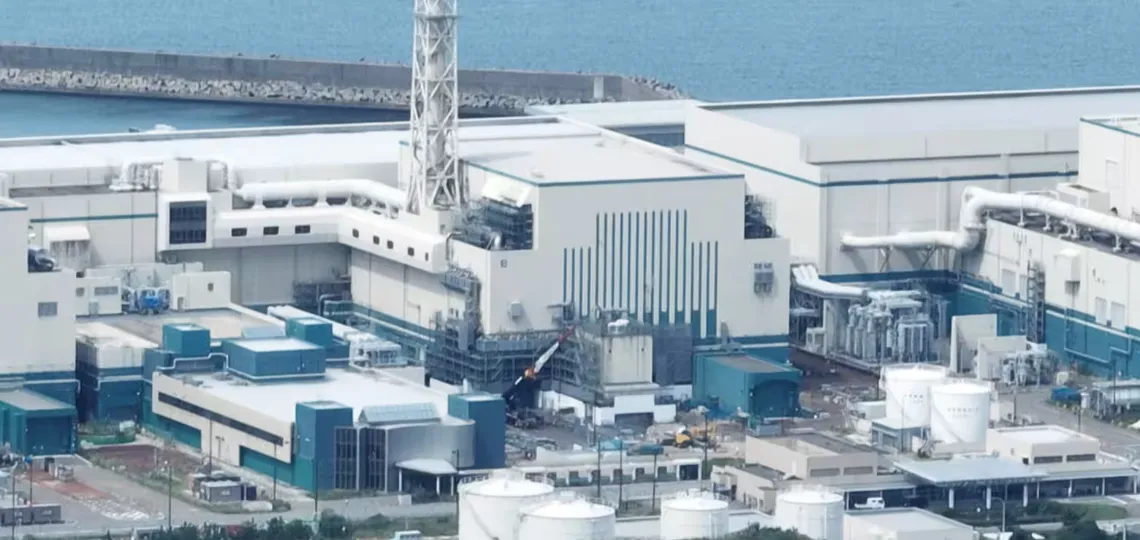
Niigata's assembly officially backs the restart of the Kashiwazaki-Kariwa site, marking a key step in Japan’s return to nuclear energy following the 2011 Fukushima disaster.
The Japanese government plans to fund up to 30% of loans required for nuclear projects, aiming to accelerate reactor restarts and double the share of nuclear energy in its energy mix by 2040.
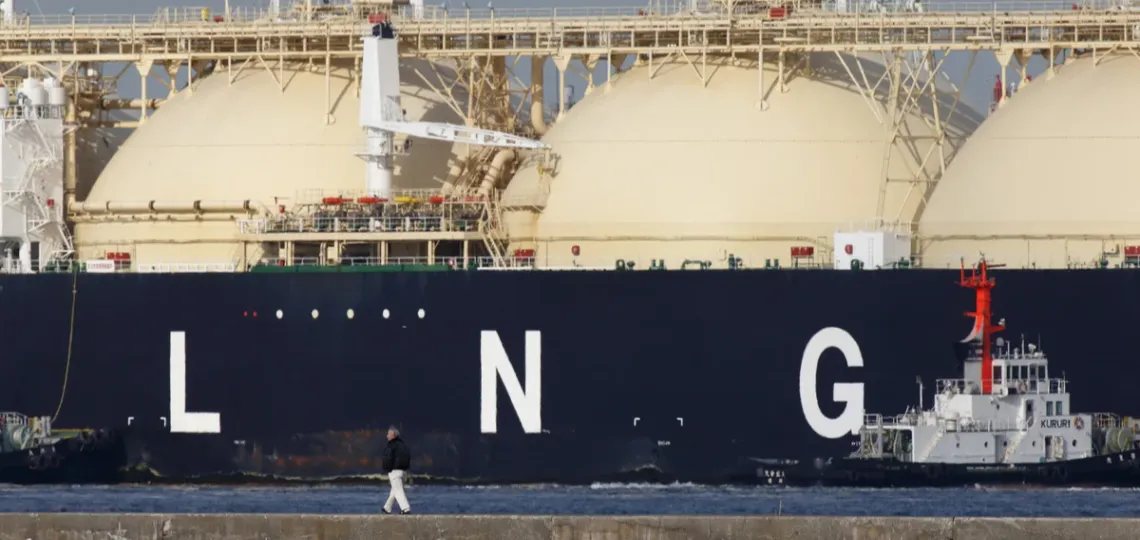
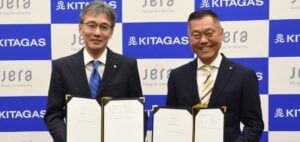
Japanese power producer JERA will deliver up to 200,000 tonnes of liquefied natural gas annually to Hokkaido Gas starting in 2027 under a newly signed long-term sale agreement.
Indian group AM Green has signed a memorandum of understanding with Japanese conglomerate Mitsui to co-finance a one million tonne per year integrated low-carbon aluminium production platform.
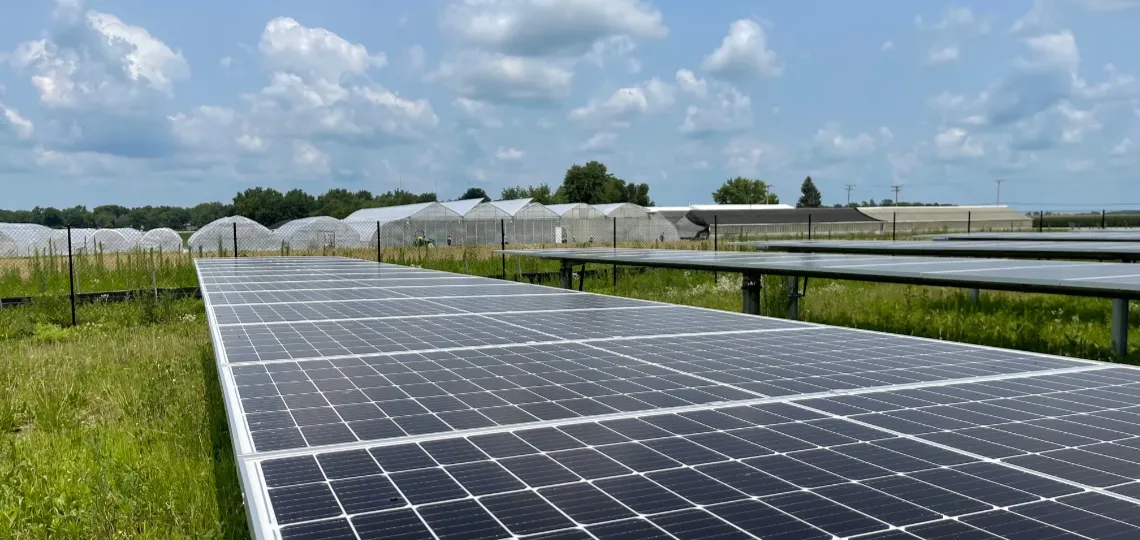
Japanese conglomerate Tokyu teams up with Global Infrastructure Management and Clean Energy Connect to build 800 low-voltage solar plants totalling 70MWDC, under an off-site power purchase agreement for its facilities.
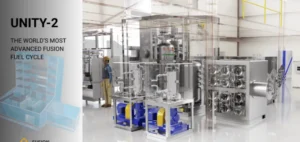
Fusion Fuel Cycles has begun work on its UNITY-2 facility, a unique test bench designed to validate the full tritium fuel cycle under fusion conditions, marking a key step toward fusion energy.
The Japanese oyster producer is investing in both resale and construction of photovoltaic plants, evenly splitting resources to consolidate its GO Store subsidiary's position in the domestic solar market.
Nineteen countries, led by Brazil, Italy, Japan and India, aim to quadruple sustainable fuel production by 2035, marking a major industrial and regulatory challenge for global energy and transport supply chains.
The Japanese energy group plans to replace four steam turbines at its Sodegaura site with three combined-cycle gas turbines, with full commissioning targeted for 2041.
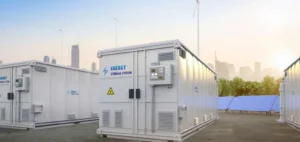
Daiwa Energy & Infrastructure, Fuyo General Lease and Astmax have commissioned a 50MW/100MWh battery storage station in Sapporo, marking their entry into Japan’s large-scale energy storage market.
Sonnedix has started construction on a 125MWh battery storage system at its 30MWAC Oita solar site, with commercial operation planned for November 2026 and a JPY21.4bn ($142mn) financing secured.
Tamagawa Energy has completed the acquisition of a 2MW/8MWh battery site in Kagoshima for JPY690mn ($4.57mn), marking its entry into grid-scale storage.
Tokyo Asset Solution invests in two storage projects, including a standalone site in the Japanese capital, marking its entry into the large-scale sector with national and international partners.
Transition Industries signed a long-term purchase agreement with Mitsubishi Gas Chemical for the annual supply of 1mn tonnes of ultra-low carbon methanol starting in 2029, from its Pacifico Mexinol project in Mexico.
Ireland presents an SAF roadmap structured around four pillars, projecting 88,000 tons in 2030 and 318,000 tons in 2035, aligned with ReFuelEU and European support, while Aer Lingus and Ryanair set usage targets.
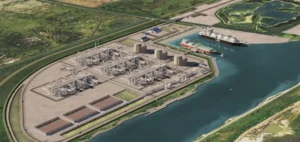
Sempra Infrastructure and ConocoPhillips signed a 20-year LNG sales agreement for 4 Mtpa, confirming their joint commitment to expanding the Port Arthur LNG liquefaction terminal in Texas.
Canadian Solar reported a gross margin of 29.8% in Q2 2025, exceeding expectations despite a net loss, amid delayed project sales and asset impairments.
HD Renewable Energy has completed the connection of its Helios storage system to the Hokkaido grid. The 50 MW project is expected to enter commercial operation by the end of 2025, targeting multiple segments of the Japanese electricity market.
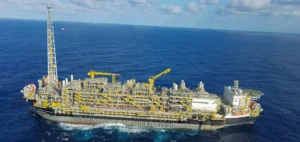
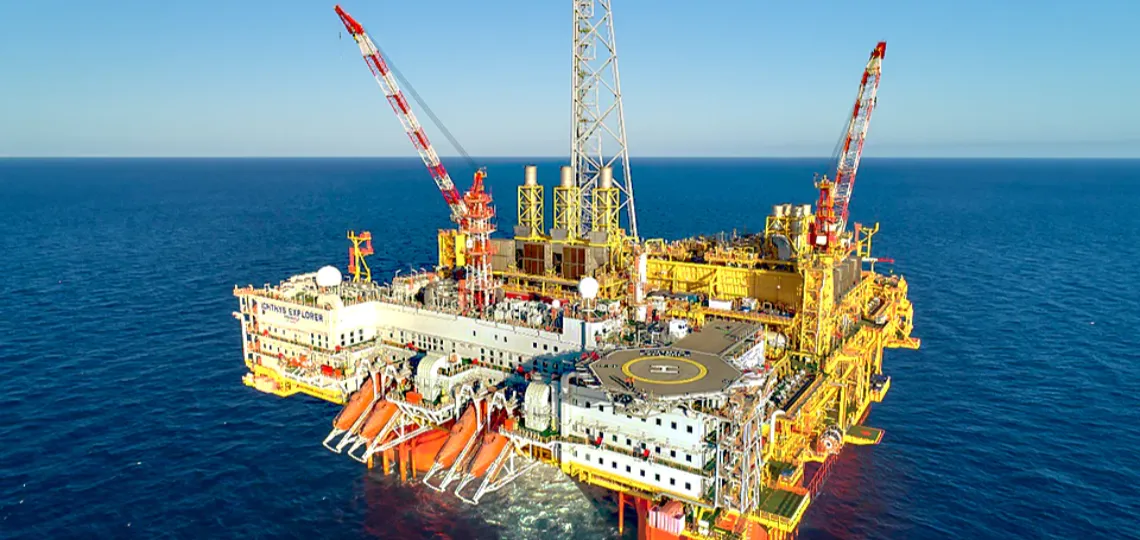
Petrobras is holding talks with SBM Offshore and Modec to raise output from three strategic FPSOs, two already at full capacity, to capture more value from the high-potential pre-salt fields.
A new Russian presidential decree could allow Exxon Mobil to reclaim its stake in Sakhalin-1, under strict conditions tied to Western sanctions and equipment logistics.
The South African judiciary has revoked TotalEnergies’ authorization to explore a 10,000 km² offshore block, forcing the group into a new procedure that includes a public consultation.
The Russian Ministry of Industry and Trade is announcing "Arctic configuration" wind generators to power infrastructure on the Northern Sea Route, without listing any companies at this stage, with the stated aim of technological sovereignty.
The Japanese group TDK’s venture capital fund supports Ultraviolette, an Indian electric motorcycle manufacturer, to help it scale up in a domestic market estimated at over $50 billion within ten years.
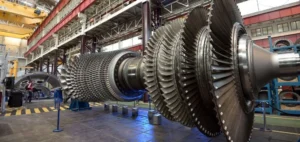
Moscow is preparing to develop gas turbines exceeding 300 MW while strengthening existing capacities and positioning itself against the most high-performing models worldwide.
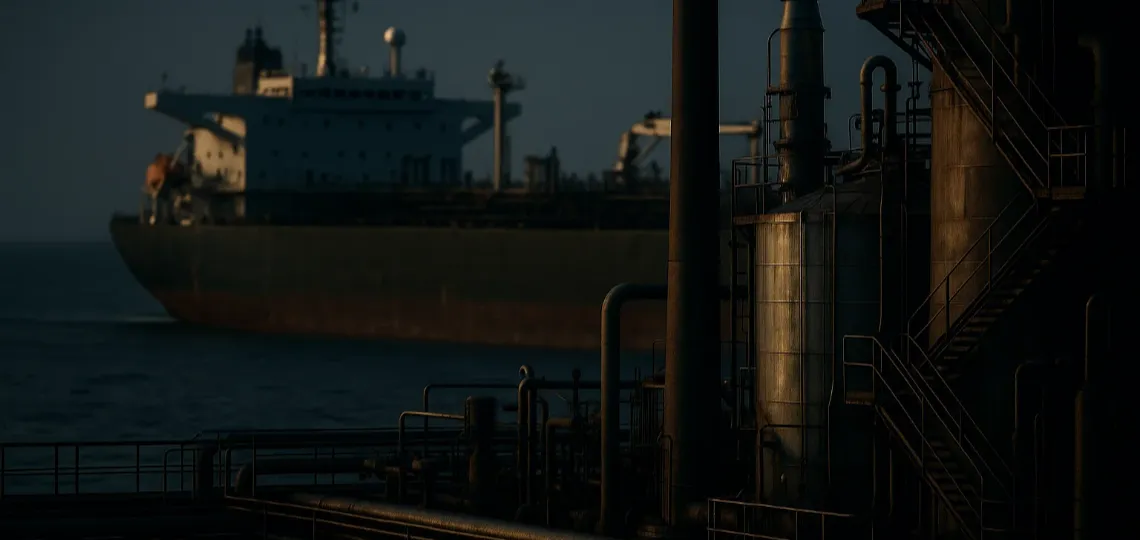
Hundreds of aging tankers transport Russian oil to Asia, circumventing Western sanctions while creating major environmental risks and transforming global trade flows.
The next-generation solar cell market will grow by 15.73% annually by 2031, driven by diversified uses in residential, industrial, and aerospace sectors.
The International Atomic Energy Agency confirmed that the tritium concentration in the 14th batch of ALPS-treated water discharged by TEPCO remains well below Japan’s operational limit.
Start-up HYLENR finalises a strategic $3 mn fundraising to move from pilot phase to industrialisation of its low-energy nuclear reaction systems for industrial heat production.
E-fuels growth is accelerating with the market expected to reach $66.25bn by 2030, fuelled by Asia-Pacific’s industrial expansion, technological advances, and investments in hydrogen and ammonia infrastructure.
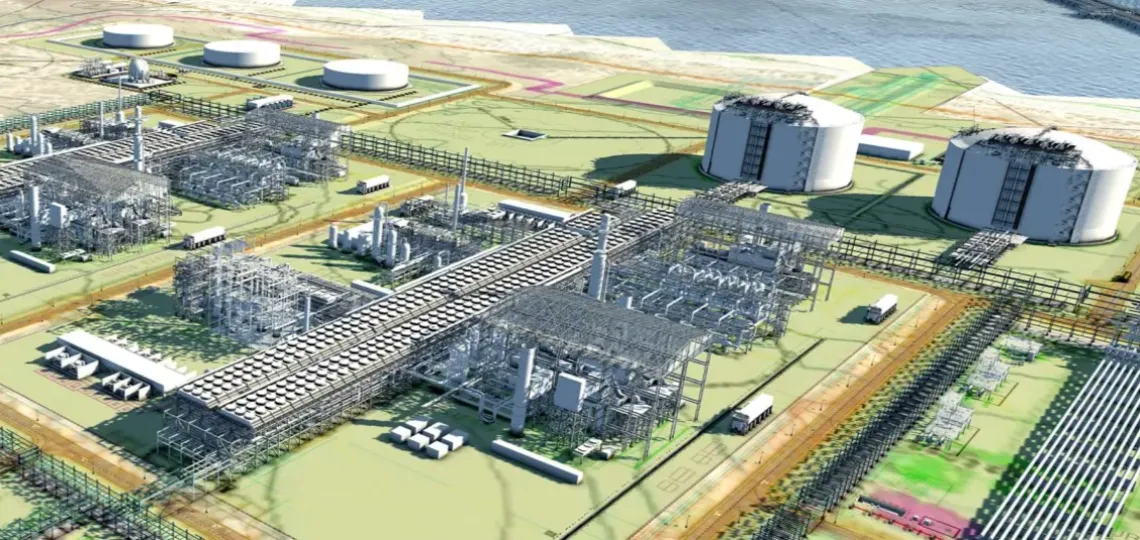
INPEX has finalised the awarding of all FEED packages for the Abadi LNG project in the Masela block, targeting 9.5 million tonnes of annual production and involving several international consortiums.
Tanzania, together with Russia, is starting construction of a uranium plant in Namtumbo for $1.2bn, aiming to boost mining revenues and secure a place in the global nuclear industry.