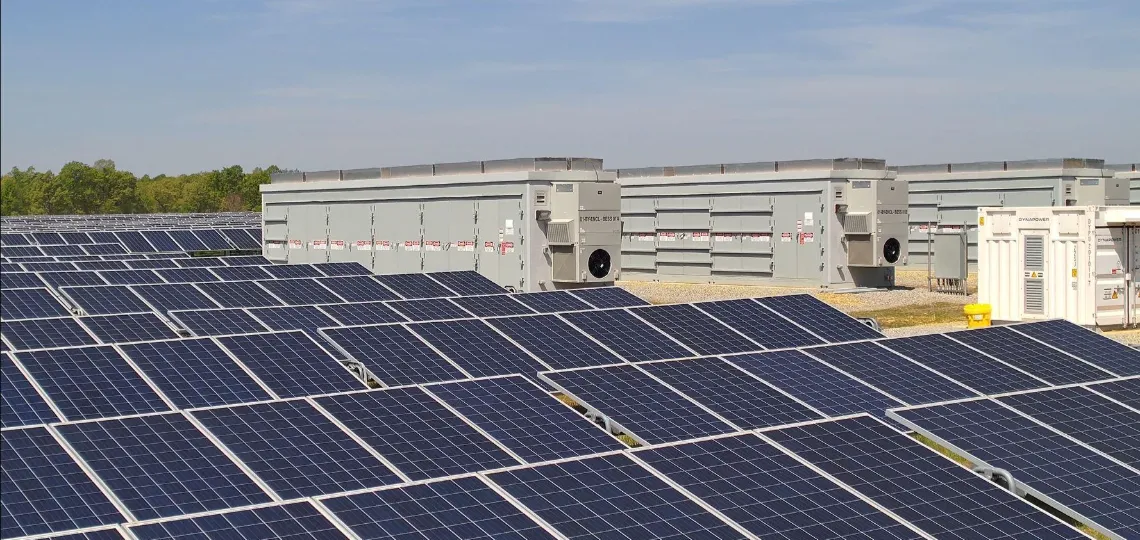
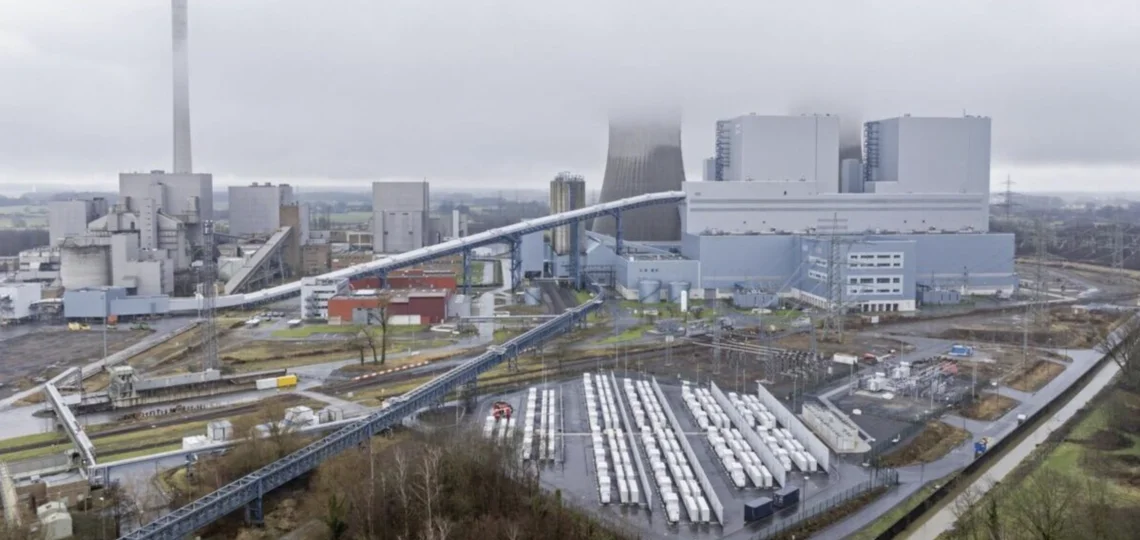
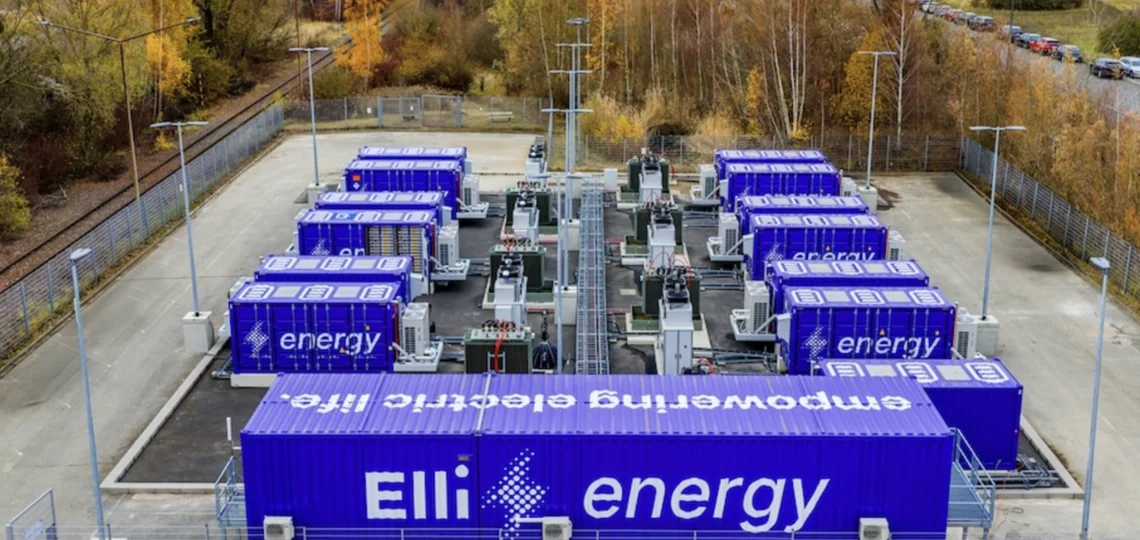
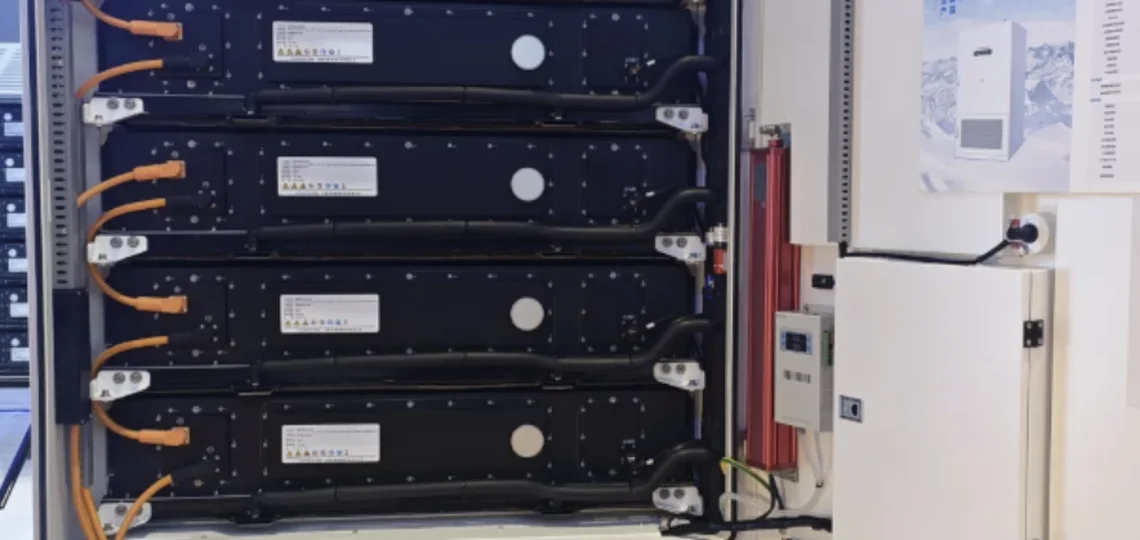
A new wave of large-scale battery storage projects reveals an unprecedented competitiveness threshold around $65/MWh for energy shifting, excluding the cost of charging electricity. This level, calculated pre-tax and excluding Chinese components, is based on technical and financial assumptions now considered achievable in projects backed by long-term guaranteed contracts. Recent tenders in India, Saudi Arabia and Italy confirm this trend, despite regional disparities in execution conditions and economic robustness.
Structuring tenders for pricing and guarantees
In Italy, the MACSE mechanism led by grid operator Terna awarded 1.1 GW of storage capacity with 15-year fixed-price contracts. Groups such as Enel and Plenitude (a subsidiary of Eni) were among the winners. In Saudi Arabia, the Tabuk and Hail projects integrate batteries supplied by HiTHIUM, with construction works assigned to Alfanar, reflecting an industrial approach based on standardisation. In India, auctions led by Rajasthan Rajya Vidyut Utpadan Nigam Limited (RVUNL) reached floor prices, supported by public subsidies, but raised concerns about technical viability.
A business model driven by cost of capital
The $65/MWh threshold relies on a 7% discount rate, 20-year lifespan and 90% efficiency. This performance level is only accessible with guaranteed revenues, excluding projects operating in fully deregulated markets. The estimated capital expenditure of around $125/kWh includes equipment imported from China at $75/kWh, with $50/kWh covering installation costs, where grid connection remains a volatile factor.
A sector facing a geopolitical dilemma
The current model largely relies on a China-origin supply chain, a prerequisite for reaching observed cost levels. The United States, via its Foreign Entities of Concern (FEOC) regulation, and the European Union, through local content support schemes, aim to reduce this dependency. In Italy, a separate tender for “non-China-made” solar revealed a significant cost gap, highlighting the price premium linked to geopolitical criteria.
Market segmentation and regulatory evolution
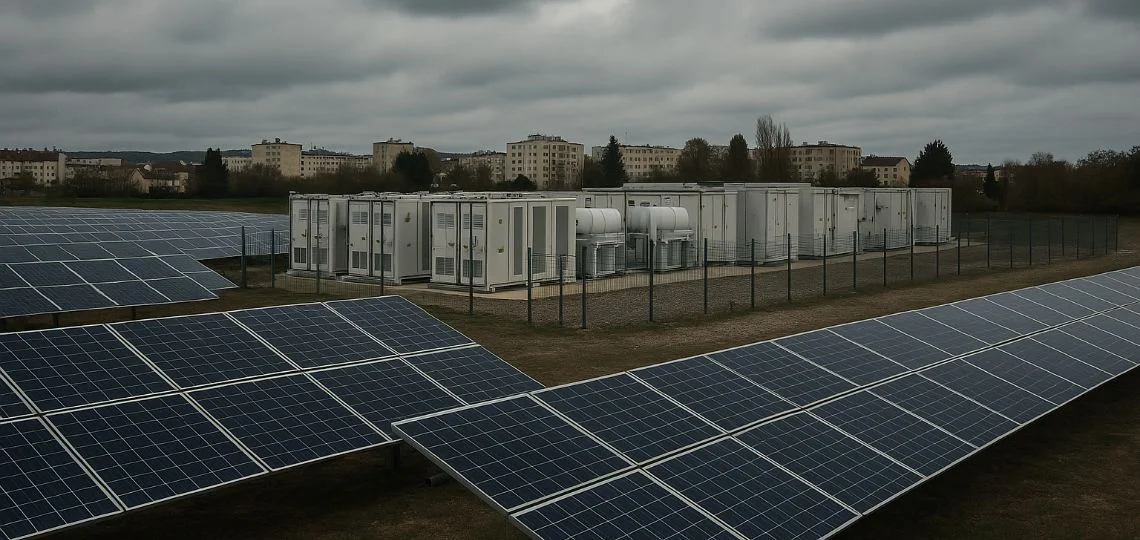
As day-night spreads narrow, business models are shifting towards remuneration for capacity and ancillary services. Regulators are pushing to include reinforced technical criteria in tenders, notably in India, where low bids have triggered safety and equipment quality concerns. Hybrid projects combining co-located solar photovoltaic and storage are also emerging as a response to rising grid connection constraints.
Companies facing a new requirement matrix
Developers able to secure long-term contracts, grid access and supply chain traceability will gain a competitive edge. For manufacturers, margin pressure is increasing alongside growing expectations for performance and safety guarantees. Power system operators are turning to regulated mechanisms to avoid price and capacity volatility as storage becomes industrialised.