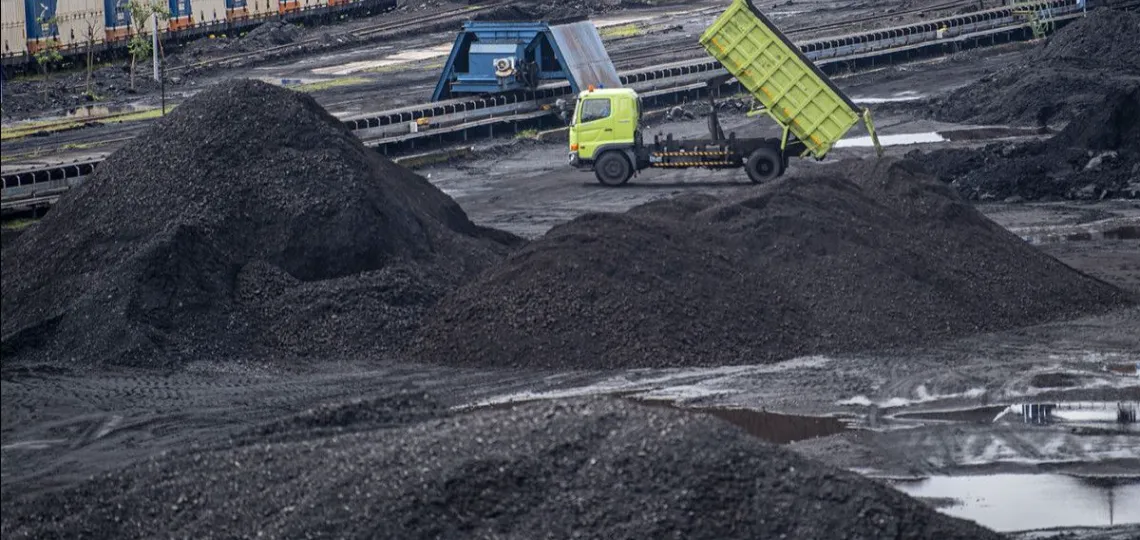
Coal regains ground as profitability rises for US thermal power plants

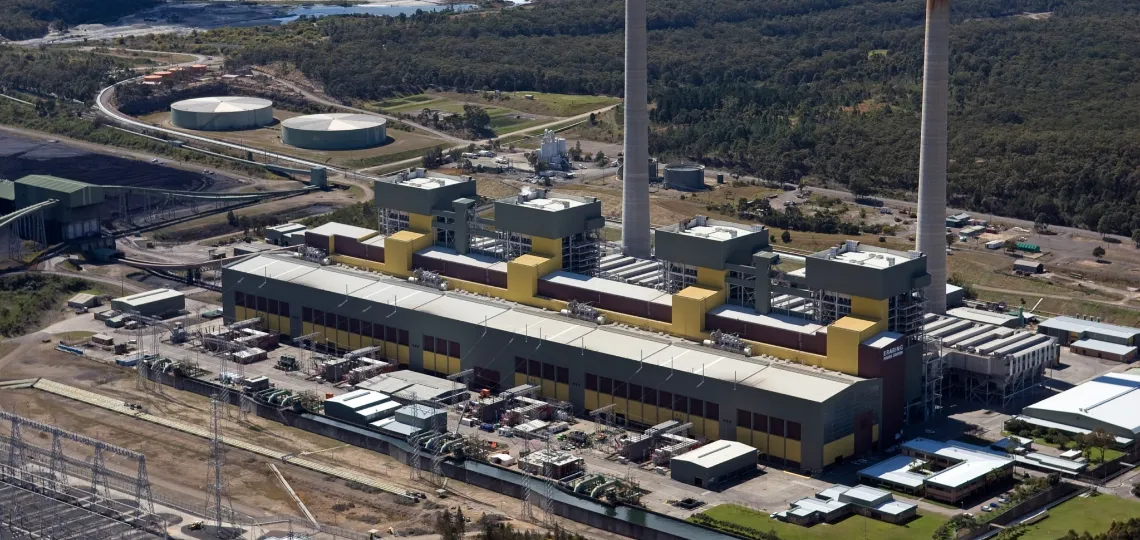
Rising wholesale electricity prices in 2025 are strengthening margins for coal and gas-fired plants in the United States, with the profitability gap between the two narrowing significantly.
Share:

Comprehensive energy news coverage, updated nonstop

Annual subscription

8.25€/month*

*billed annually at 99€/year for the first year then 149,00€/year ​

Unlimited access • Archives included • Professional invoice

OTHER ACCESS OPTIONS

Monthly subscription

Unlimited access • Archives included

5.2€/month*
then 14.90€ per month thereafter

FREE ACCOUNT

3 articles offered per month

FREE

*Prices are excluding VAT, which may vary depending on your location or professional status

Since 2021: 35,000 articles • 150+ analyses per week

Data compiled between January and November 2025 shows a marked increase in the profitability spreads of thermal power plants operating in the PJM Interconnection electricity market, the largest wholesale platform in the United States. The spreads known as “spark spread” for natural gas and “dark spread” for coal are financial indicators used to estimate net generation profitability after accounting for fuel costs.
Coal plants are closing the gap with gas

In 2023, coal-fired plants posted negative profitability with an average dark spread of -$14 per megawatthour (MWh) over the first eleven months of the year. In 2025, this margin rose to around $21/MWh, an increase of nearly 250% compared to the same period in 2024. This trend was observed despite a 5% rise in the average price of coal over the same period.

The spark spread for natural gas-fired plants also increased, moving from an average of $21/MWh in 2023 to $28/MWh during the first eleven months of 2025. However, the growth of the coal dark spread outpaced that of gas, narrowing the gap between the two technologies. This evolution is reshaping the competitive balance in the market.

The decisive role of wholesale electricity prices

The improvement in both indicators is attributed to higher average daily wholesale electricity prices between January and November 2025 compared to the previous year. These elevated price levels are mechanically increasing margins for thermal producers, particularly those with stable fuel supply contracts.

PJM Interconnection, which covers a large portion of the eastern United States, serves as a strategic barometer for the competitiveness of different generation sources. In this context, the narrowing spreads could prompt a reassessment of operational priorities in generation portfolios, particularly for coal assets that had been traditionally scaled back.

A closely watched market signal

The spark spread is calculated using an energy conversion rate of 7,000 British thermal units per kilowatthour (Btu/kWh) for gas, compared to 10,500 Btu/kWh for coal in the case of the dark spread. These parameters allow for standardised profitability comparisons across technologies by isolating the impact of fuel costs.

Between January and November 2025, the average spark spread stood at $28/MWh, compared to $21/MWh for the dark spread. This narrowing highlights the return of coal-fired unit competitiveness amid broadly higher electricity prices across the market.

Bangladesh temporarily blocks international arbitration with Adani Power pending the conclusions of an expert committee on the legality of the electricity supply contract signed with the Indian conglomerate.
The European Commission has approved a €1.75 bn ($2.03 bn) public subsidy from Germany to compensate energy company LEAG for the planned shutdown of its coal-fired power plants by 2038.
Seoul joins the Powering Past Coal Alliance and confirms a gradual withdrawal from unabated coal, with a regulatory programme targeting the closure of 40 facilities and a strict assessment of the remaining units.
Indonesia’s coal overproduction has cut state revenues and company profits, while methane emissions from mines far exceed official figures.
The Brazilian government is granting new contracts to coal-fired power plants until 2040, illustrating the weight of regulatory decisions and industrial interests in a country predominantly powered by renewable energy.
New Delhi is preparing a revised roadmap for its climate commitments while maintaining heavy reliance on coal to sustain economic growth and respond to growing regulatory pressure.
J-POWER announces the retirement of its 500MW coal-fired Takasago Thermal Power Station in Hyogo Prefecture by FY2028, marking a key shift in its energy investment strategy.
US coal exports fell 11% in the first half of 2025, prompting the Trump administration to commit $100mn to upgrade domestic power plants and support the national energy sector.
A modelling study finds India does not need new coal plants beyond current plans through 2032, as overcapacity would raise costs and reduce utilisation across the thermal fleet.
Morocco announces a coal exit target for 2040, subject to international support, while accelerating the deployment of renewable energy in its power mix.
Falling Chinese imports and Asia’s regional pivot increase pressure on Australian thermal coal exporters.
Chinese buyers begin negotiations for 2026 thermal coal deliveries, favouring shorter contracts to maintain flexibility in a stable price environment.
Queensland coal producers are struggling to rein in costs, which remain above pre-2022 levels as the impact of royalty hikes and margin pressures continues to weigh on the sector.
Coal will temporarily become the main source of electricity in the Midwest markets MISO and SPP during winter, according to the latest federal forecasts.
The Trump administration plans to open millions of federal hectares to coal and ease environmental rules governing this strategic industry.
The integration of private operators into South Africa’s rail network marks a turning point for coal exporters, with a target of 55 million tonnes exported in 2025 from the Richards Bay terminal.
Facing Western restrictions, Russia plans to increase coal deliveries to China, India and Turkey, according to a recent presentation on the sector’s outlook.
The visit of the Pakistani president to Shanghai Electric marks a new strategic phase in China-Pakistan energy cooperation, centred on the Thar mining and power project and local skills development.
Port congestion in Australia has boosted Russian and Indonesian coal exports to South Korea, with both now dominating the market due to lower prices and reliable delivery schedules.
Polish state-owned producer JSW confirms its 13.4 million tonnes production target for 2025 thanks to new equipment coming online, despite recent disruptions at multiple sites.

All the latest energy news, all the time

Annual subscription

8.25€/month*

*billed annually at 99€/year for the first year then 149,00€/year ​

Unlimited access - Archives included - Pro invoice

Monthly subscription

Unlimited access • Archives included

5.2€/month*
then 14.90€ per month thereafter

*Prices shown are exclusive of VAT, which may vary according to your location or professional status.

Since 2021: 30,000 articles - +150 analyses/week.