Clinton and Dresden nuclear reactors granted 20-year licence extensions

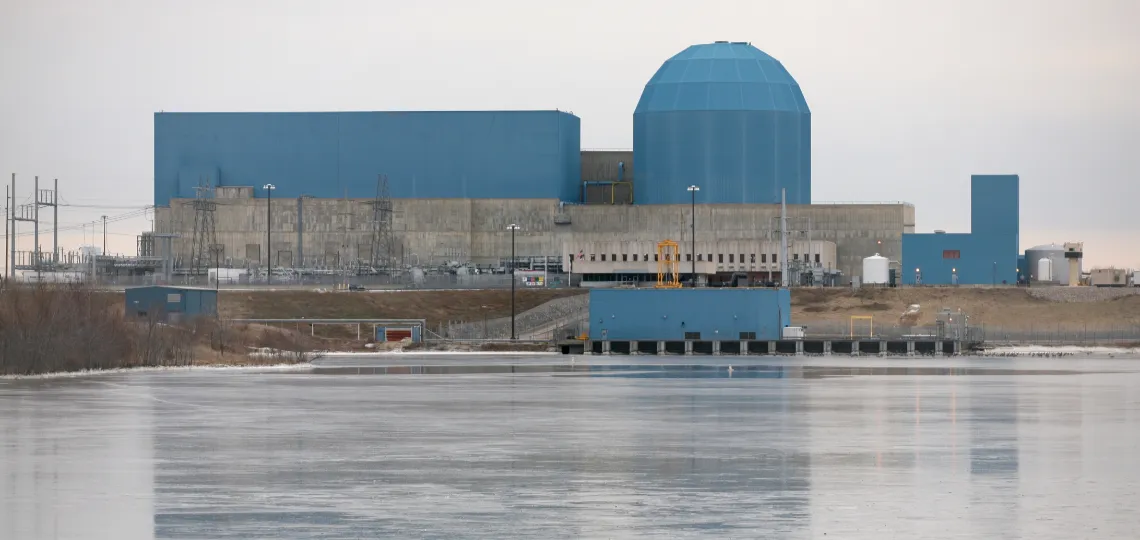
The US nuclear regulator has extended the operating licences of three Illinois reactors by 20 years, strengthening Constellation's long-term industrial outlook for the Clinton and Dresden sites.
Share:

Comprehensive energy news coverage, updated nonstop

Annual subscription

8.25$/month*

*billed annually at 99$/year for the first year then 149,00$/year ​

Unlimited access • Archives included • Professional invoice

OTHER ACCESS OPTIONS

Monthly subscription

Unlimited access • Archives included

5.2$/month*
then 14.90$ per month thereafter

FREE ACCOUNT

3 articles offered per month

FREE

*Prices are excluding VAT, which may vary depending on your location or professional status

Since 2021: 35,000 articles • 150+ analyses per week

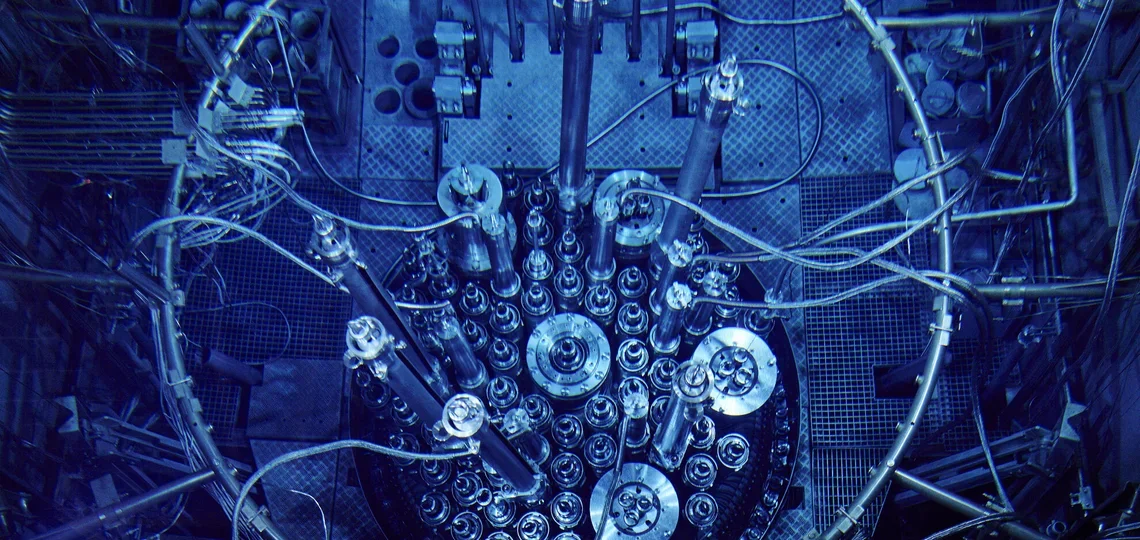
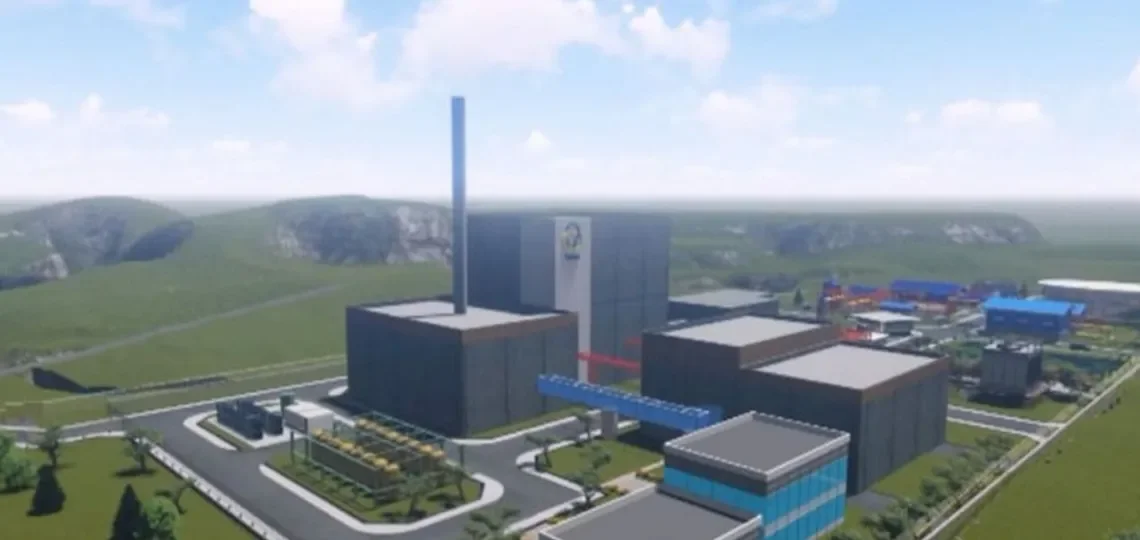
The United States Nuclear Regulatory Commission (NRC) has granted licence extensions to three nuclear reactors located in Illinois, extending their operational life by an additional 20 years. Clinton unit 1, a 1,062 megawatt electric (MWe) boiling water reactor (BWR), is now licensed to operate until April 2047. Dresden units 2 and 3, also BWRs with capacities of 894 MWe and 879 MWe respectively, are authorised to operate until December 2049 and January 2051.
Technical investments to ensure performance

Constellation, the operator of the three reactors, reported investing more than $370mn in the re-licensing process. At Clinton, two new auxiliary transformers and two next-generation equipment chillers have been installed to improve system reliability. The plant’s condensate polisher system has also been upgraded to limit component degradation. At Dresden, the site is now equipped with an advanced feedwater level control system and a new main transformer featuring real-time electrical system monitoring capabilities.

Clinton supported by long-term industrial contract

Constellation stated that while the renewed licences legally permit operation through 2051, actual operations will depend on each plant’s financial viability. At Clinton, a 20-year power supply agreement signed with Meta in August secures continued operation following the end of the state’s Zero Emission Credit programme in May 2027.

A strong signal for the US nuclear industry

According to the NRC, these licence renewals are part of 13 similar approvals issued this year, reflecting an effort to streamline regulatory processes while maintaining safety standards. The agency estimates that the combined output of the three reactors over the next two decades will exceed 12 gigawatts, enough to supply nearly 10 million households.

US-based X-energy has signed a reservation agreement with South Korea's Doosan Enerbility to secure key components for its small modular nuclear reactors.
Niger expands its mining alliances with Uranium One to develop new sites, while the Dasa project continues seeking financing despite clear political backing.
Samsung Heavy Industries has received Approval in Principle for a floating nuclear plant featuring two SMART100 reactors, marking a step toward the commercialisation of offshore small modular reactors.
The Indian government proposes a unified legal framework for nuclear energy, aiming to boost private investment and increase installed capacity to 100 GW by 2047.
Samsung C&T strengthens its presence in modular nuclear energy in Europe by signing an agreement with Synthos Green Energy to develop up to 24 SMRs in Poland and several Central European countries.
Israeli firm nT-Tao and Ben-Gurion University have developed a nonlinear control system that improves energy stability in fusion plasmas, strengthening the technical foundation of their future compact reactors.
The Indian government has introduced a bill allowing private companies to build and operate nuclear power plants, ending a state monopoly in place for over five decades.
Natura Resources enters a new regulatory phase for its molten salt reactor MSR-1, following the signing of a framework agreement with the US Department of Energy under the Reactor Pilot Program.
Norwegian Nuclear Decommissioning is surveying 22 localities to assess their interest in hosting storage facilities for radioactive waste from the country’s former research reactors.
Electricité de France's Flamanville 3 reactor has reached full power for the first time, marking a key industrial milestone in the deployment of EPRs in Europe, despite cost overruns reaching EUR23.7bn ($25.7bn).
GE Vernova Hitachi’s BWRX-300 small modular reactor has passed a key regulatory hurdle in the United Kingdom, opening the door to potential commercial deployment, despite no current plans for construction.
Molten salt reactor developer Natura Resources has acquired Shepherd Power and partnered with NOV to scale up modular reactor manufacturing by the next decade.
China National Nuclear Corporation expects commercial operation in 2026 for its ACP100 reactor, following successful cold testing and completion of critical structures in 2025.
Start-up SEATOM has been selected to join NATO's DIANA programme with its micro nuclear reactor designed for extreme environments, reinforcing its position in dual-use marine and military energy technologies.
The Estonian Ministry of Economic Affairs has opened a tender to select a site and conduct initial environmental studies for a 600 MW nuclear power plant, marking a decisive step for the country’s energy future.
The European Commission has approved Poland's financial support plan for its first nuclear power plant, a €42bn project backed by public funding, state guarantees, and a contract for difference mechanism.
Six European nuclear authorities have completed the second phase of a joint review of the Nuward modular reactor, a key step toward aligning regulatory frameworks for small nuclear reactors across Europe.
Driven by off-grid industrial heat demand and decarbonisation mandates, the global small modular reactor market is set to grow 24% annually through 2030, with installed capacity expected to triple within five years.
US fusion energy leaders have called on the federal government to redirect public funding towards their projects, arguing that large-scale investment is needed to stay competitive with China.
Santee Cooper has approved a memorandum of understanding with Brookfield Asset Management to assess the feasibility of restarting two unfinished nuclear reactors, with a potential $2.7 billion payment and 550 MW capacity stake.

All the latest energy news, all the time

Annual subscription

8.25$/month*

*billed annually at 99$/year for the first year then 149,00$/year ​

Unlimited access - Archives included - Pro invoice

Monthly subscription

Unlimited access • Archives included

5.2$/month*
then 14.90$ per month thereafter

*Prices shown are exclusive of VAT, which may vary according to your location or professional status.

Since 2021: 30,000 articles - +150 analyses/week.