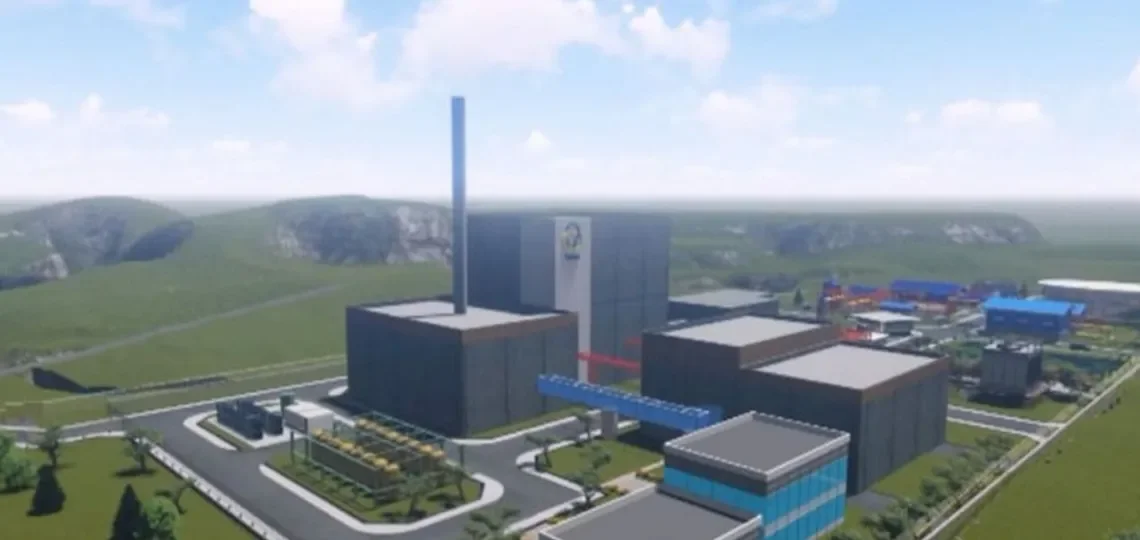
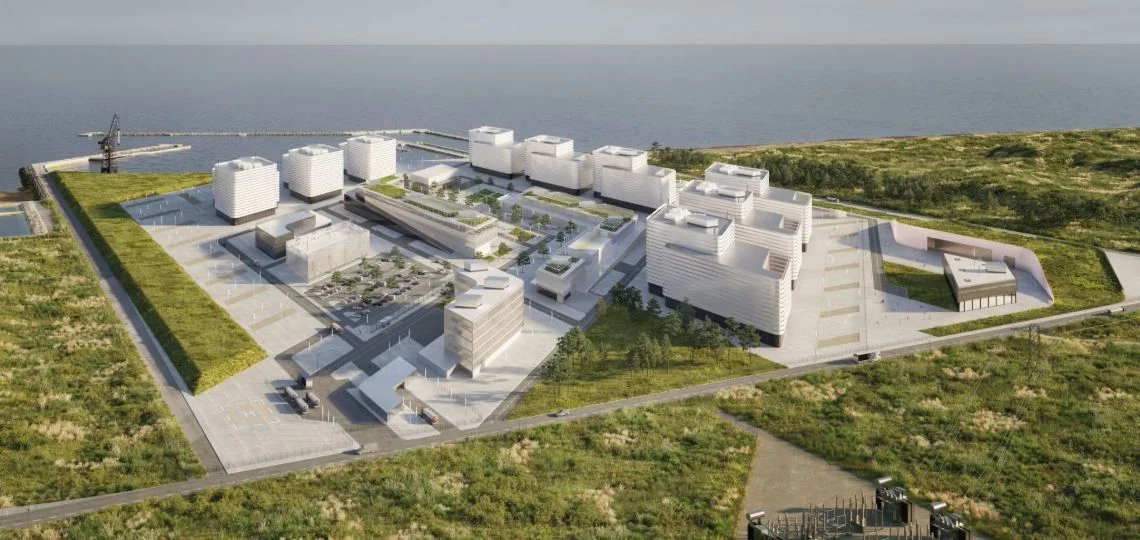
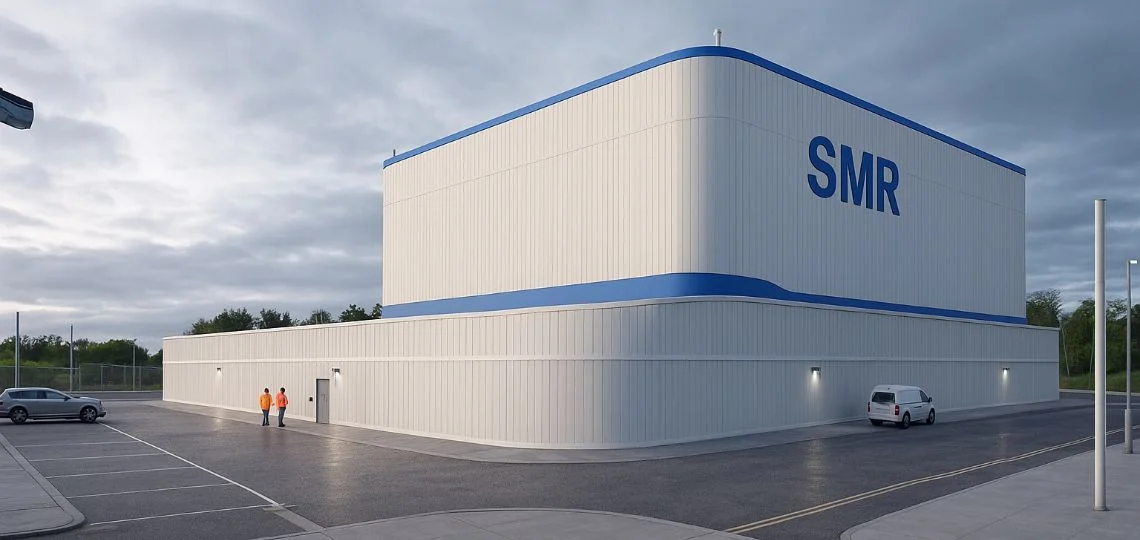
The Linglong One (ACP100) small modular nuclear reactor developed by China National Nuclear Corporation (CNNC) is moving forward with a commissioning date now set for 2026. This milestone marks a strategic step for Beijing, positioning the project as the world’s first commercial land-based small modular reactor (SMR).

Key technical milestones achieved in 2025
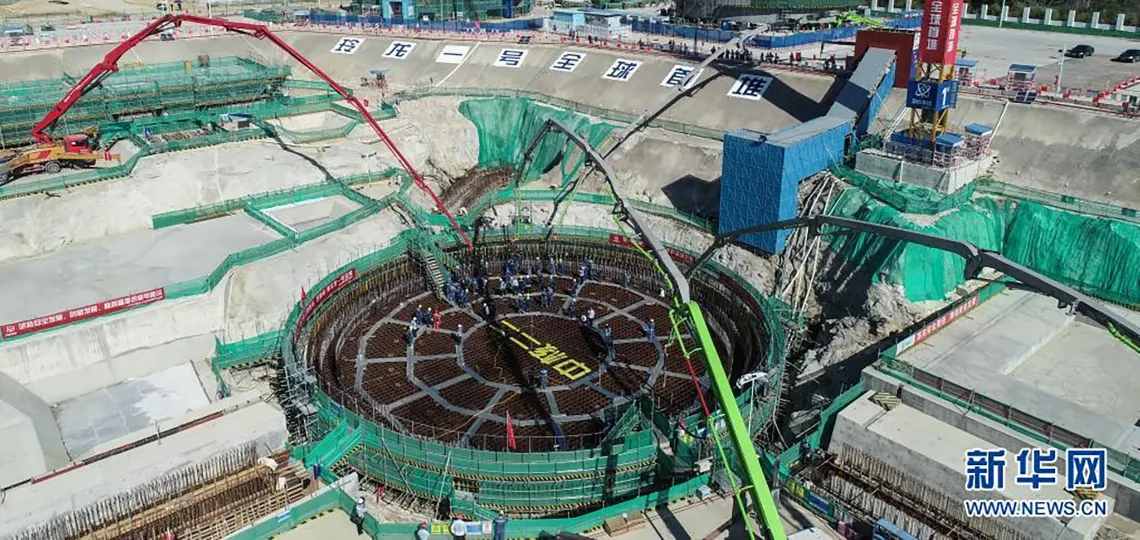
The year 2025 brought decisive technical progress for Linglong One. The reactor’s main pump was delivered and installed in the spring, followed by the placement of the external containment dome, completing the heavy civil engineering phase. In September, containment integrity tests were successfully conducted, validating the pressure resistance of the safety envelope.
CNNC announced in October that cold functional testing was completed, a critical phase to verify mechanical system performance without fuel. These tests precede hot testing, fuel loading and initial criticality.
Schedule now confirmed and stabilised
The initial timeline targeted commercial operation by the end of 2025, but updated 2025 roadmaps from international agencies now confirm commissioning in the first half of 2026. The Nuclear Energy Agency (NEA) SMR Dashboard lists Linglong One as “under construction”, with commissioning set for 2026. This date aligns with the originally announced 58-month construction schedule.
The technical progress and adherence to the installation sequence have led analysts to consider that project execution risks are now significantly reduced. CNNC states that the most critical phases of civil engineering, equipment installation and safety validation are now completed.
A geopolitical and industrial positioning tool
In 2025, CNNC officially declared ACP100 as the first commercial land-based SMR built in the world. The project, part of China’s 14th Five-Year Plan, is aligned with the country’s “dual carbon” strategy. It is referenced by the International Atomic Energy Agency (IAEA) and the NEA in their 2025 reports on the deployment of next-generation nuclear technologies.
In contrast with competing projects in the West — several of which have been cancelled or delayed — ACP100 offers interested countries a visible, inspected, and nearly operational model. Technical reports published in 2025 underline that the Linglong One relies on a fully Chinese industrial supply chain, with no major dependence on foreign suppliers.