
Chevron Corporation plans to allocate between $18 and $19 billion in capital expenditures (capex) for 2026 across its consolidated subsidiaries. This range falls at the lower end of its long-term target of $18 to $21 billion. Additionally, capital spending for affiliated companies is projected between $1.3 and $1.7 billion.
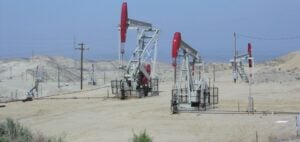
More than half of the overall budget will be directed toward operations in the United States, with approximately $10.5 billion earmarked for domestic activities. The bulk of investments, around $17 billion, will be channelled into upstream operations, including nearly $6 billion for shale and tight assets in the Permian, DJ and Bakken basins. These projects are expected to support domestic production above two million barrels of oil equivalent per day.
Strong exposure to strategic offshore zones
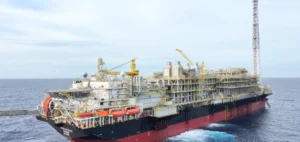
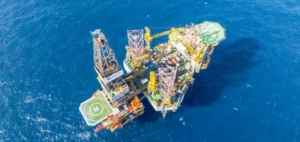
Internationally, Chevron is targeting around $7 billion in offshore capital expenditures, mainly across Guyana, the Eastern Mediterranean and the Gulf of Mexico. This allocation includes approximately $0.4 billion in capitalised interest, largely tied to assets in Guyana.
The downstream segment will receive $1 billion, with nearly 75% invested in U.S.-based infrastructure. This portion covers refining and logistics installations. Around $1 billion is also designated for reducing carbon intensity in existing operations and developing new energy segments, without altering the company’s core business model.
Increased mobilisation of industrial affiliates
Affiliate capital expenditures are projected between $1.3 and $1.7 billion. Half of this will be deployed by Chevron Phillips Chemical Company LLC, supporting the construction of two new large-scale industrial facilities expected to commence operations in 2027. The joint venture Tengizchevroil LLP will account for about one-quarter of the affiliate budget.
Chevron Chairman and Chief Executive Officer Mike Wirth stated that the investment plan reflects a strategy focused on high-return projects and resource optimisation. “We are positioned to deliver strong cash flows while maintaining financial discipline,” he said.