Chevron puts Colorado pipeline assets up for sale for more than $2 billion
Chevron has appointed Bank of America to manage the sale of pipeline infrastructure in the Denver-Julesburg basin, targeting a valuation of over $2 billion, according to sources familiar with the matter.
| Sectors | Oil, Gas, Transport & Storage, Gas Transport & Storage |
|---|---|
| Themes | Investments & Transactions, Financing, Project Development |
| Companies | Chevron, Bank of America, MPLX, Noble Energy |
| Countries | United States |
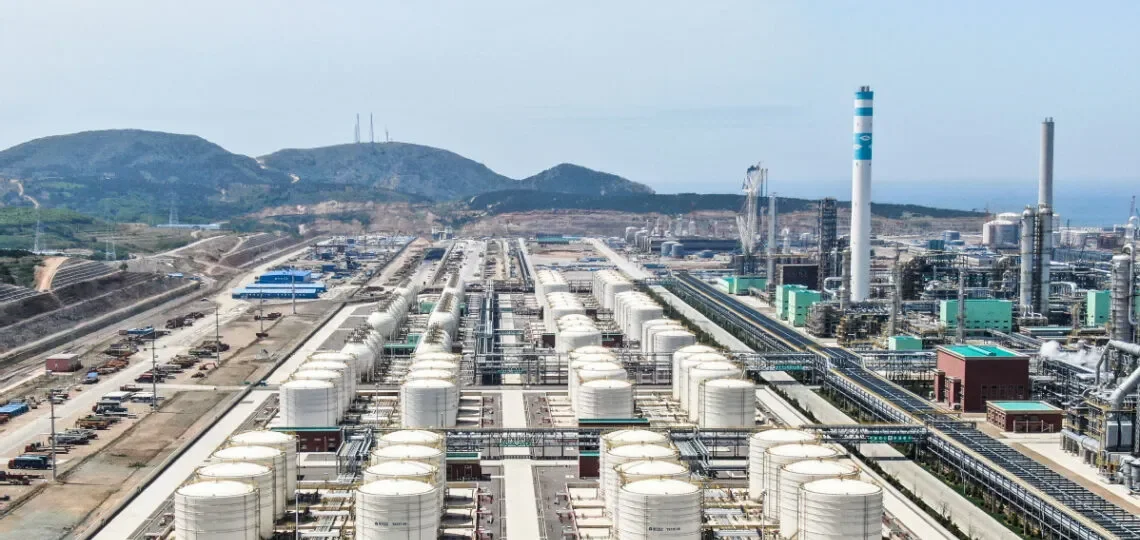
Oil major Chevron has initiated a divestment process for infrastructure assets in the Denver-Julesburg shale basin, a move expected to raise over $2 billion, according to sources with knowledge of the discussions. These assets, originally acquired through the 2020 takeover of Noble Energy and the subsequent full acquisition of its midstream operations a year later, are being marketed by investment bank Bank of America.
Assets inherited from Noble Energy
The assets include a network of pipelines and associated infrastructure in the Colorado region, where Chevron is one of the largest hydrocarbon producers. According to several sources, the infrastructure generates approximately $200 million in earnings before interest, taxes, depreciation and amortisation (EBITDA). Based on recent transactions in the sector, the sale could exceed $2 billion in value.
Bank of America has reportedly begun reaching out to potential buyers in recent weeks. However, a final sale is not guaranteed, and Chevron may ultimately retain some or all of the assets, the sources said.
Streamlining the global portfolio
The potential divestment forms part of Chevron’s broader strategy to streamline its asset base. The company is currently reducing its global workforce by up to 20% amid rising pressure on profitability. Chief Executive Officer Mike Wirth stated in August that the company would prioritise capital allocation toward more profitable ventures, which implies the disposal of non-core assets.
Despite completing the $55 billion acquisition of Hess in July, Chevron continues to face challenges stemming from oil price volatility and sector competition. These conditions have prompted major energy companies to reassess their portfolios more aggressively.
An active market for midstream infrastructure
The United States midstream infrastructure market—including transport, storage and processing assets—remains active, driven by a rebound in acquisitions. In recent weeks, MPLX acquired Northwind Midstream for $2.4 billion and sold other assets in the Rockies for $1 billion. Plains All American announced a $1.6 billion deal to expand its stake in the operator of the EPIC Crude pipeline.
Private equity firms have also shown interest in cash-generating infrastructure. Chevron’s pipeline network in Colorado has attracted attention amid this strategic repositioning, as both industrial players and investors seek stable-yield energy assets.