Chevron invests $690 million to revive offshore gas in Equatorial Guinea
Chevron has signed a $690 million agreement with Equatorial Guinea to develop gas from the Aseng field, amid a long-term decline in national oil production and a search for new economic drivers.
| Sectors | Gas, Natural Gas |
|---|---|
| Themes | Investments & Transactions, Corporate Investment |
| Companies | Noble Energy, OPEP, Banque Mondiale, Chevron |
| Countries | Equatorial Guinea, United States |
US company Chevron, through its subsidiary Noble Energy, has reached an agreement with the government of Equatorial Guinea to invest $690 million in developing the associated gas of the Aseng field, located in offshore Block I. The initiative aims to boost the country’s gas production capacity, as most of the field’s recoverable resources have already been extracted, according to GlobalData.
Chevron had considered exiting the project as early as 2022, amid declining output volumes. The decision to reinvest now aligns with a broader national strategy following the launch of the Gas Mega Hub programme in 2019. This infrastructure project aims to centralise the collection, processing and liquefaction of natural gas for export.
Punta Europa complex central to strategy
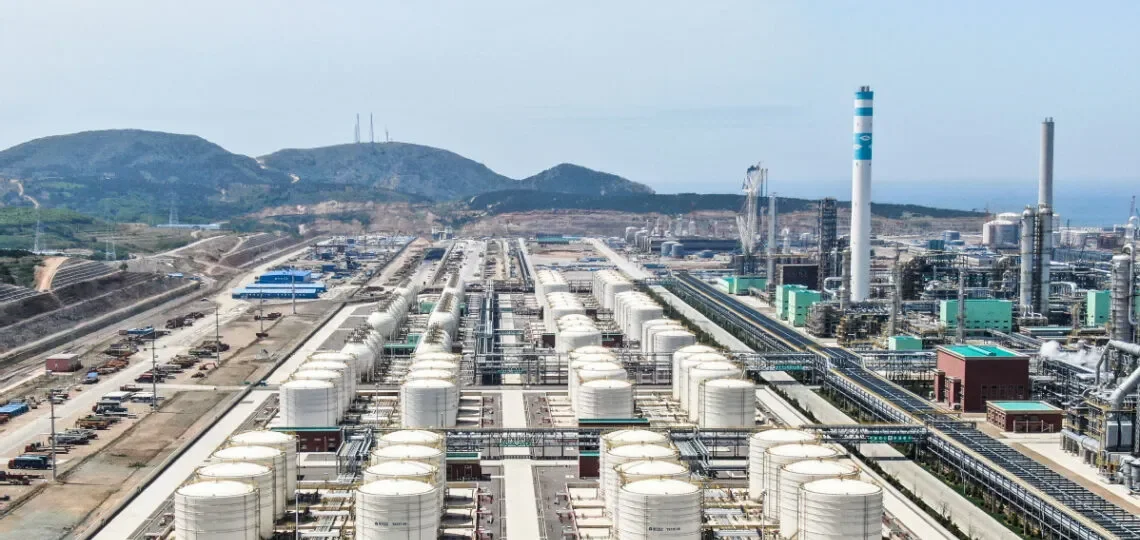
Gas extracted from the Aseng field will be connected to existing infrastructure at the Punta Europa gas complex, located on Bioko Island. The facility includes a liquefaction unit with an annual capacity of 3.7 million tonnes, which has operated below capacity since its commissioning. It has been supplied by the Alen field since 2021.
Minister of Mines and Hydrocarbons Antonio Oburu Ondo stated that the project would help secure reliable liquefied natural gas (LNG) exports to international markets. Gas is viewed by the authorities as an economic lever to offset the long-standing decline in the country’s oil production.
Pressure mounts on oil revenues
Equatorial Guinea’s oil production has steadily declined, reaching between 55,000 and 62,000 barrels per day in 2025, down from a peak of 241,000 barrels per day in 2010, according to the Organization of the Petroleum Exporting Countries (OPEC). This drop has weighed heavily on public finances, with over 80% of government revenues still coming from hydrocarbons in 2024, according to the World Bank.
With proven reserves estimated at 39 billion cubic metres according to the Gas Exporting Countries Forum (GECF), the country is seeking to attract new investors. Fiscal reforms are underway, and a new oil and gas licensing round is scheduled for 2026.