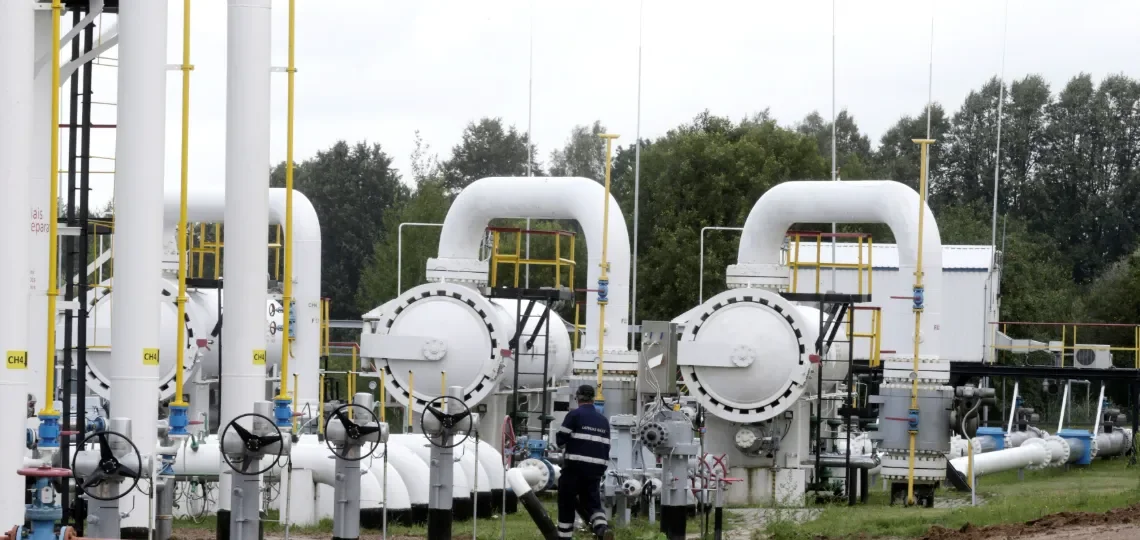
The European Union is preparing to adopt a more flexible approach to the implementation of its legislation on methane emissions, particularly for hydrocarbon imports scheduled from 2027. The energy ministers of the 27 Member States gave their support to this direction during a meeting in Brussels, responding to concerns related to supply security.

The EU had adopted legislation in 2024 to regulate methane emissions, a greenhouse gas released during the extraction of fossil resources such as natural gas and coal. From January 2027, companies importing hydrocarbons into the EU will have to demonstrate that their suppliers comply with European standards on reducing methane leaks.
A balance between regulation and energy security
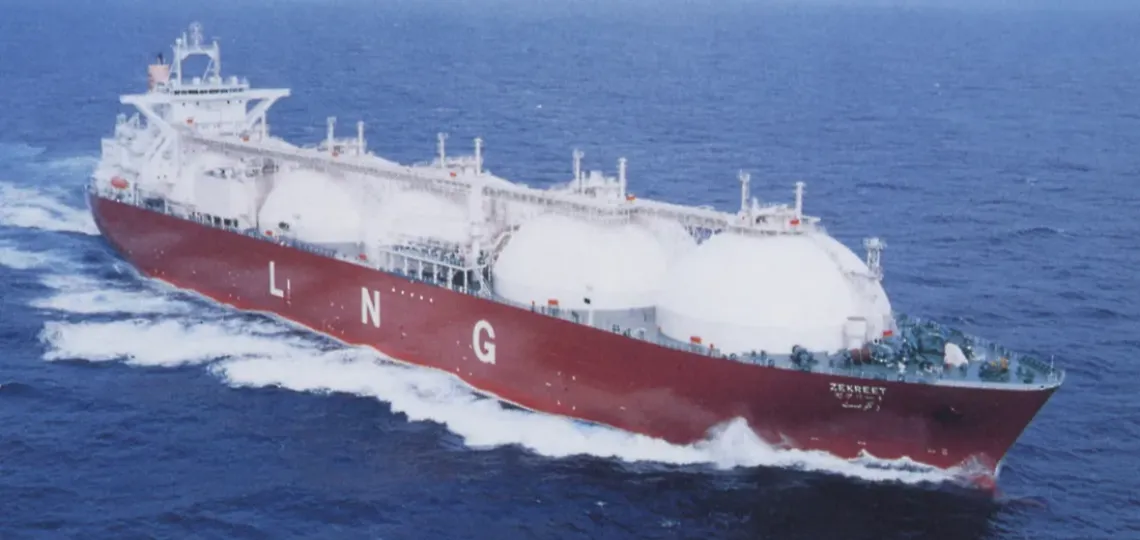
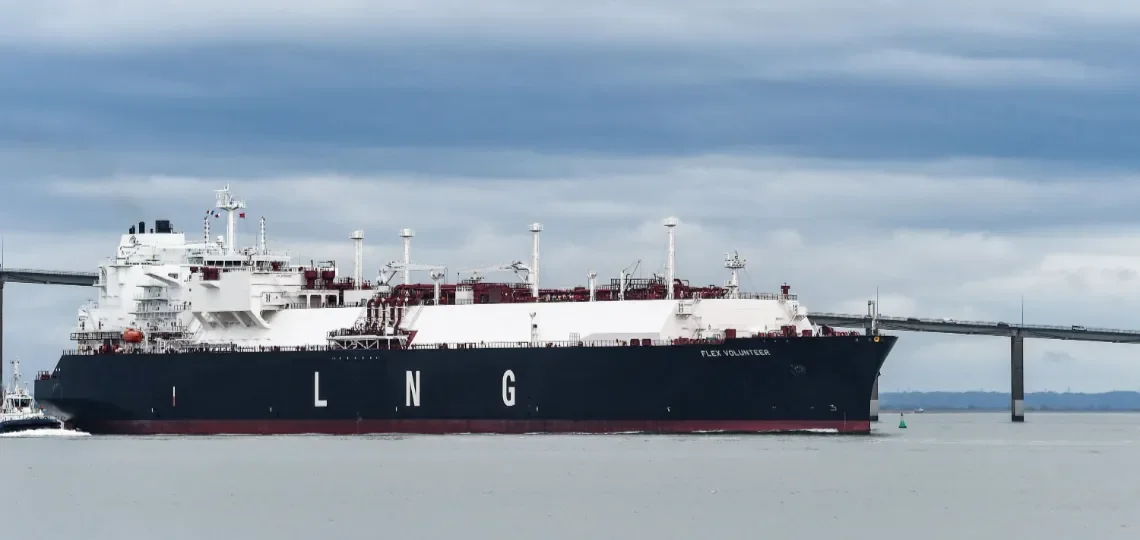
This measure was initially intended to strengthen environmental oversight of supply chains. However, the geopolitical context has shifted Brussels’ priorities. The drive to rapidly reduce dependence on Russian gas, notably by increasing liquefied natural gas (LNG) imports from the United States and the Middle East, has led to a pragmatic reinterpretation of the regulation.
“We will work with Member States and third countries to apply it in the best possible way,” said European Commissioner for Energy Dan Jorgensen, ruling out any repeal of the law or formal exemptions. The implementation of these rules will be entrusted to national authorities, with flexibility to avoid market disruptions.
International pressure on EU standards
Calls for regulatory flexibility have grown in recent months, including from the U.S. administration. LNG producers in the United States, made up largely of independent small operators, struggle to meet the traceability requirements imposed by the EU. Washington has expressed concern over the impact of this legislation on exports to Europe.
The European Commission has confirmed that the approach does not intend to undermine the original regulatory goals but to allow a gradual adaptation to the reality of the global gas market. No systematic exemptions are planned, but importer compliance could be phased in depending on suppliers’ technical capacities.
A signal to international hydrocarbon markets
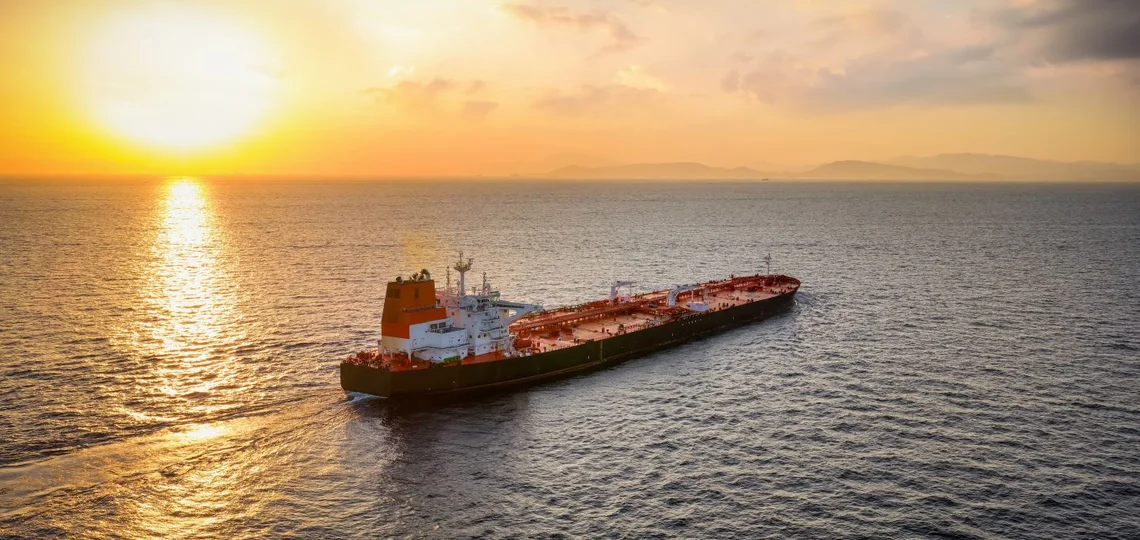
The refocus on energy security allows the EU to send a clear signal to international suppliers while preserving its regulatory leverage. This shift comes as LNG imports to Europe have increased by more than 60% over two years, mainly to compensate for the drop in Russian deliveries.
The methane legislation is seen by some Member States as a strategic tool but potentially restrictive if applied uniformly to all trade partners. Brussels is therefore seeking to establish a framework for bilateral dialogue with supplier countries to maintain energy flows while continuing its regulatory objectives.