The Federação Única dos Petroleiros (FUP), the main trade union representing oil sector workers in Brazil, announced it is prepared to accept the latest proposal from Petróleo Brasileiro S.A. (Petrobras) as part of ongoing collective bargaining negotiations. This position opens the door to a swift resolution of a labour dispute that began one week ago.
Towards a resolution across oil facilities
According to a statement published on social media, the majority of FUP’s board members approved a motion in favour of the counteroffer submitted by Petrobras. Final approval, however, still depends on a workers’ vote. The union has not disclosed the terms included in the latest version of the agreement.
Petrobras confirmed that it made adjustments to its collective agreement proposal, citing progress on key union demands. The company also stated that the strike had not affected either production or domestic market supply.
Labour unrest driven by pension and compensation issues
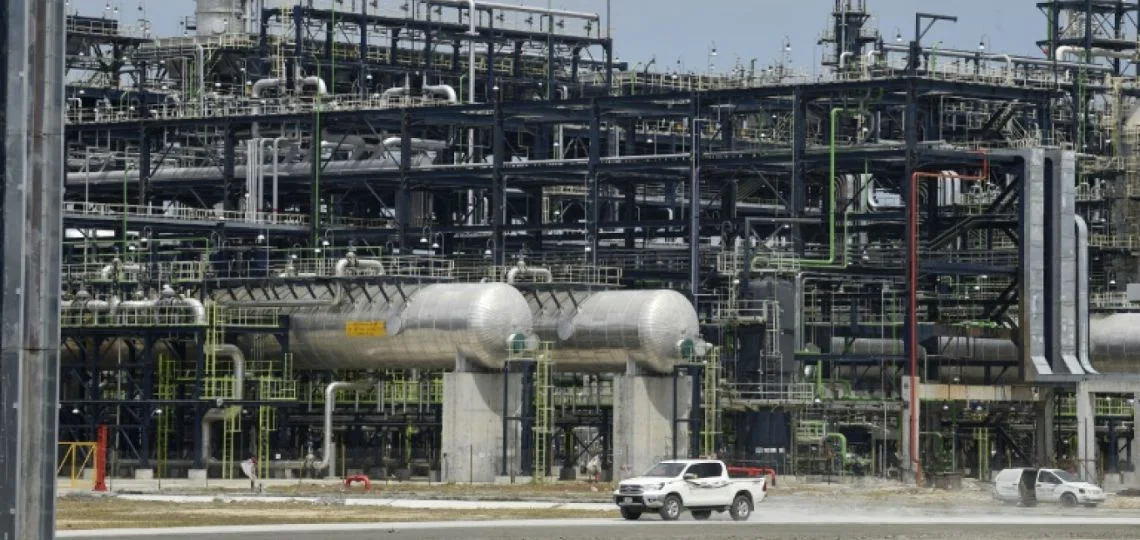
The ongoing strike stems from multiple disagreements, including a structural deficit in Petrobras’ employee pension fund and proposed changes to the company’s compensation structure. The union reported that the work stoppage affected several strategic sites such as offshore platforms, refineries and biodiesel units.
FUP indicated that the mobilisation aimed to protect employees’ acquired rights as the company implements cost-reduction measures. Annual negotiations between Petrobras and its workforce are frequently marked by tensions surrounding collective guarantees and internal human resources policies.
Labour talks under close governance scrutiny
The specific details of Petrobras’ concessions have not been disclosed. The state-run company remains under close watch due to its central role in Brazil’s energy sector. Prolonged disruptions to its operations could carry broader national economic implications.
The upcoming employee vote will determine whether operations can resume without further interruption. The ballot comes as Petrobras continues internal restructuring amid relatively stable oil prices and increased scrutiny over labour balance within public companies.