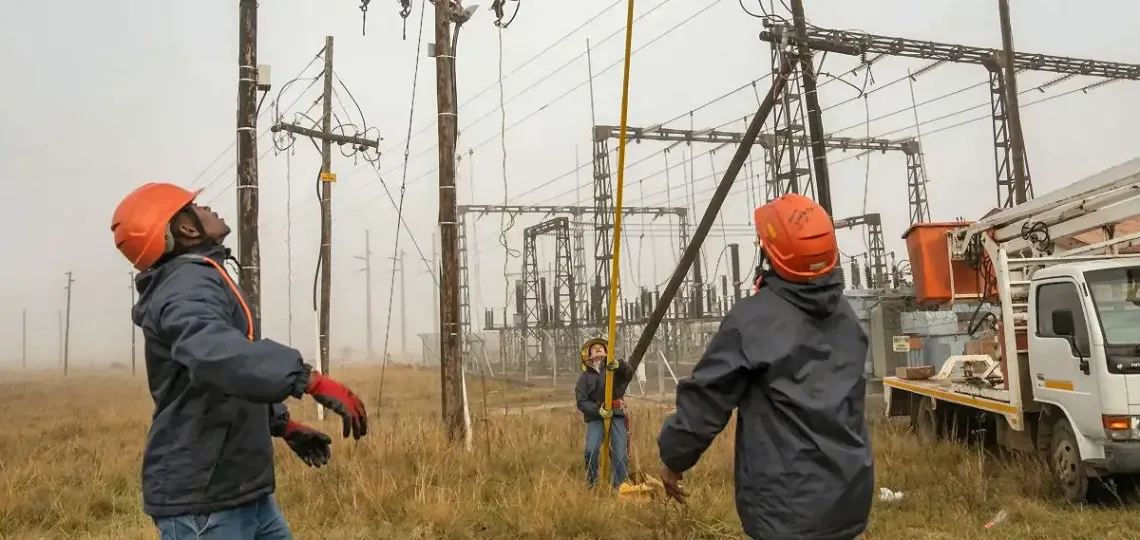
BHP has finalised a $2 billion deal with Global Infrastructure Partners (GIP), now part of BlackRock, to divest 49% of its inland power network in Western Australia, central to its iron ore operations. The infrastructure includes a gas-fired power station, around 400 km of transmission lines, and key facilities supplying BHP’s Pilbara mines.

Asset structure and capital logic
The transaction involves the creation of a trust, with BHP retaining 51% ownership and operational control. GIP, in exchange for its investment, will receive tariff-linked cash flows over 25 years, indexed to BHP’s power consumption in the region. This setup enables BHP to convert a capital-heavy asset into predictable recurring revenues while maintaining sovereignty over infrastructure deemed critical under Australian law.
The arrangement resembles a concession, potentially indexed to inflation or demand growth, offering GIP infrastructure-grade returns. For BHP, it reduces balance sheet exposure. The deal aligns with an investment cycle aimed at expanding production capacity toward a 305 million tonne per year target in the Pilbara.
Financial optimisation and risk sharing
The transaction releases $2 billion to finance strategic growth, notably in copper and potash, without increasing leverage—an essential factor in preserving BHP’s credit rating. It also shifts part of the decarbonisation risk to an investor specialised in renewable infrastructure, mitigating exposure to technological and regulatory volatility.
WAIO’s power infrastructure is undergoing transformation, targeting diesel replacement and integration of up to 500 MW of renewable capacity. The deal supports these developments without BHP bearing the full capital cost or operational complexity of energy transition projects.
Regulatory framework and energy sovereignty
The transaction is subject to Foreign Investment Review Board (FIRB) approval, as it involves foreign ownership of critical infrastructure. BHP’s retained operational control may help ensure the investment is classified as passive, reducing the likelihood of restrictive conditions.
No existing WAIO joint venture or contractual arrangements are altered, mitigating the risk of immediate renegotiations. However, the shift in the power cost structure may prompt future internal adjustments within WAIO’s cost-sharing agreements.
Sector impact and Pilbara grid evolution
The deal comes as discussions around shared power infrastructure in the Pilbara gain momentum. By bringing a global infrastructure investor into its network, BHP positions itself as a key player in developing open-access interconnection models among major regional miners.
With targeted production volumes and secure power infrastructure, Pilbara’s role in global iron ore supply is reinforced. The transaction may influence peers to monetise similar assets, converting internal infrastructure into stabilised financial flows while addressing growing decarbonisation pressures.