Serbian President Aleksandar Vucic has expressed hope for a swift resolution between the Russian Federation and Hungary regarding the oil company Naftna Industrija Srbije (NIS), currently under US sanctions. The main issue concerns the sale of 56% of the company’s shares, held by two subsidiaries of Russian energy giant Gazprom, to Hungarian oil and gas firm MOL Magyar Olaj- és Gázipari Nyrt.
Mounting pressure ahead of the January 23 deadline
The United States has granted a three-week reprieve to NIS, temporarily allowing it to resume operations until January 23. This follows the sanctions imposed by Washington on October 9 as part of broader restrictions targeting the Russian energy sector. Since then, NIS has ceased crude oil imports, resulting in the shutdown of its Pancevo refinery in early December.
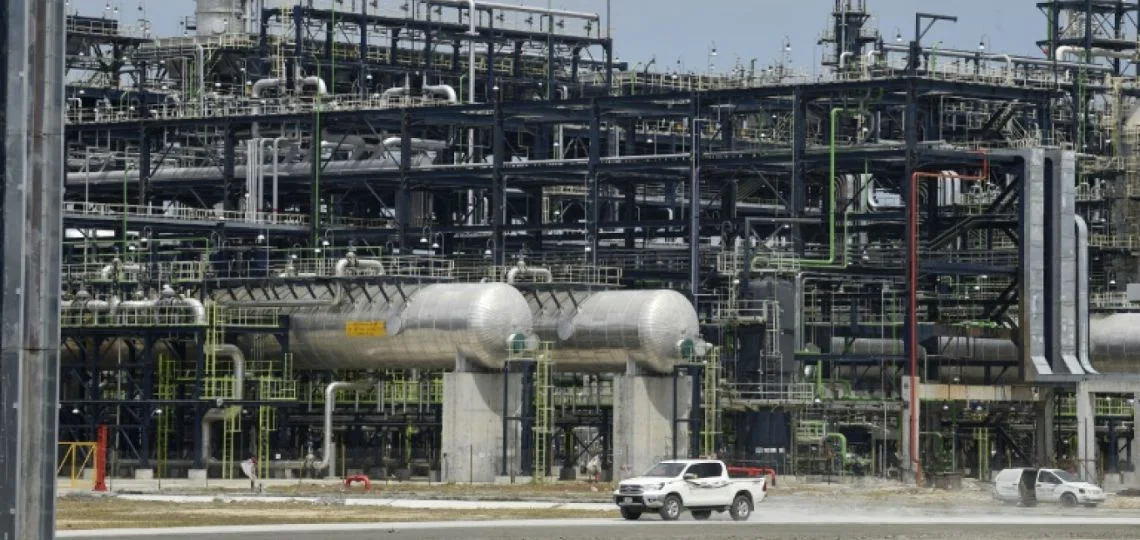
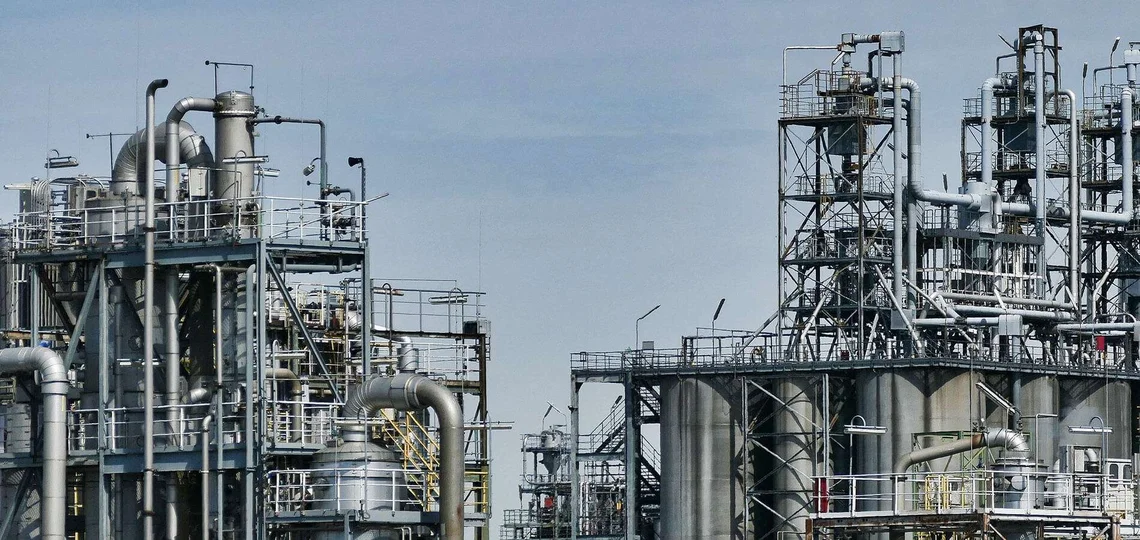
The Pancevo refinery is a strategic asset for Serbia, supplying around 80% of the domestic oil products market. According to Aleksandar Vucic, crude imports are expected to resume from January 5, with full operations planned by January 17.
A strategic precedent between Moscow and Belgrade
NIS was privatised in 2008 when the Republic of Serbia sold a majority stake to Gazprom for €400mn. Since then, several billion euros have been invested, mainly in the modernisation of the country’s only refinery.
Despite close energy ties between Belgrade and Moscow, the Kremlin reportedly showed no interest in selling its shares back to Serbia, according to recent statements from the Serbian president. Vucic has nevertheless stated that the Serbian state would act if no deal is reached by January 15.
New leadership to expedite negotiations
To this end, a new management team has been installed at NIS, alongside the submission of a formal purchase offer to Moscow. Belgrade’s stated objective is to ensure continuity of refining operations and safeguard the country’s energy supply.
“I hope the Russians and the Hungarians will finish their work by then,” said Aleksandar Vucic, expressing his wish to see the share transfer agreement concluded before Washington’s deadline.