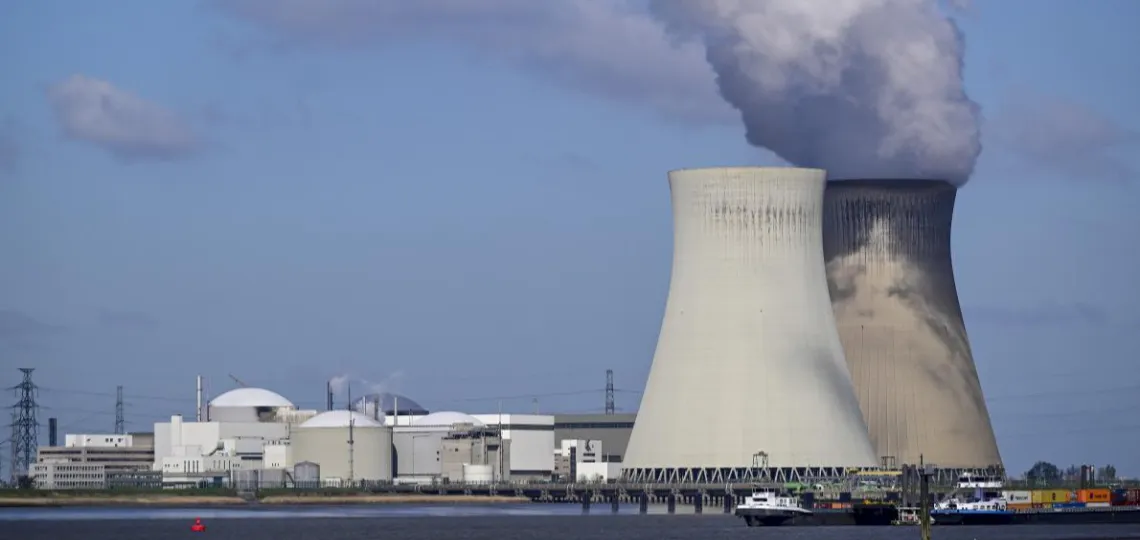
Belgium: Doel 2 permanently shut down after fifty years of operation
Reactor Doel 2 was taken offline, becoming the fifth Belgian reactor to cease operations under the country’s gradual nuclear phase-out policy.
| Sector | Énergie Nucléaire, Fission |
|---|---|
| Theme | Régulation & Gouvernance, Politique publique |
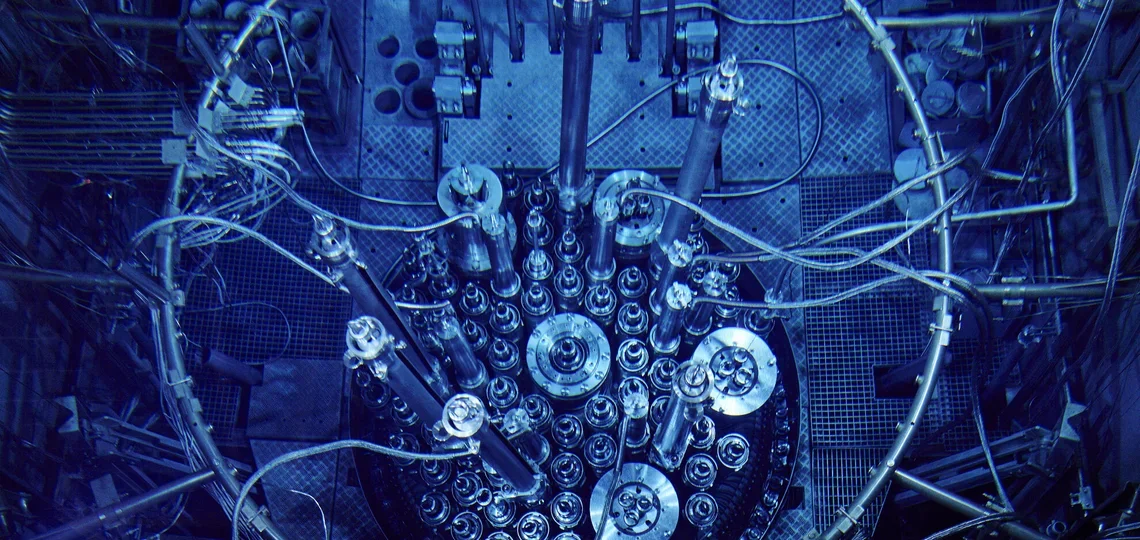
The Doel 2 reactor, located in Belgium’s Flanders region, has been disconnected from the power grid after fifty years in operation. This 445 megawatt electric (MWe) pressurised water reactor is now entering its decommissioning phase, in line with the nuclear exit process outlined in the federal law of 31 January 2003.
Shutdown procedure overseen by the safety authority
The shutdown was conducted under the supervision of the Federal Agency for Nuclear Control (FANC), the country’s nuclear safety regulator. The next steps include unloading the fuel, cooling it in the spent fuel pool, and then transferring it to a temporary storage facility.
As required by regulation, the operator submitted a formal notice of cessation of activities detailing the post-operational measures to be implemented. Doel 2 thus becomes the fifth reactor to be closed in Belgium, following the shutdowns of Doel 3 in 2022, Tihange 2 in January 2023, Doel 1 in February 2025, and Tihange 1 in September 2025.
Political and operational adjustments
Initially, the Doel 1 and 2 reactors were scheduled to shut down in 2015 at the end of their forty-year lifespan. However, legislation was amended in 2013 and 2015 to extend their operations by an additional ten years. The closure of Doel 2 marks the end of that extension.
Following the outbreak of the conflict between Russia and Ukraine in February 2022, the federal government reassessed its energy strategy. Discussions with Electrabel led to an agreement in December to extend the operation of Belgium’s last two reactors, Doel 4 and Tihange 3, by ten years until 2035.
Restart of remaining units under strict conditions
The continued operation of Doel 4 and Tihange 3 is subject to the Long Term Operation (LTO) procedure, including a series of safety studies and an action plan. The LTO files were submitted in December 2024. Tihange 3 was taken offline on 5 April for inspection and resumed operations on 10 July after meeting the required safety conditions.
Doel 4 followed a similar process, with shutdown on 30 June and restart authorised on 8 October. In May, the federal parliament repealed the 2003 law, removing the ban on new nuclear capacity and enabling a potential shift in Belgium’s energy mix.
Regulatory uncertainty beyond 2035
FANC has requested that the government provide clarity within the current legislative term on whether Doel 4 and Tihange 3 might operate beyond 2035. According to the agency, such a decision would allow for timely initiation of necessary safety assessments and long-term investments.