Legal Battle for Mbanie Island: Gabon and Equatorial Guinea Clash over Oil Wealth
As oil reserves dwindle, Gabon and Equatorial Guinea vie for control over Mbanie Island, a strategic economic asset. A ruling from the International Court of Justice is expected in 2025.
| Sectors | Oil |
|---|---|
| Themes | Policy & Geopolitics, Diplomacy |
| Companies | Gunvor, Kosmos Energy, Maurel & Prom, Perenco, Chevron |
| Countries | Gabon, Equatorial Guinea |
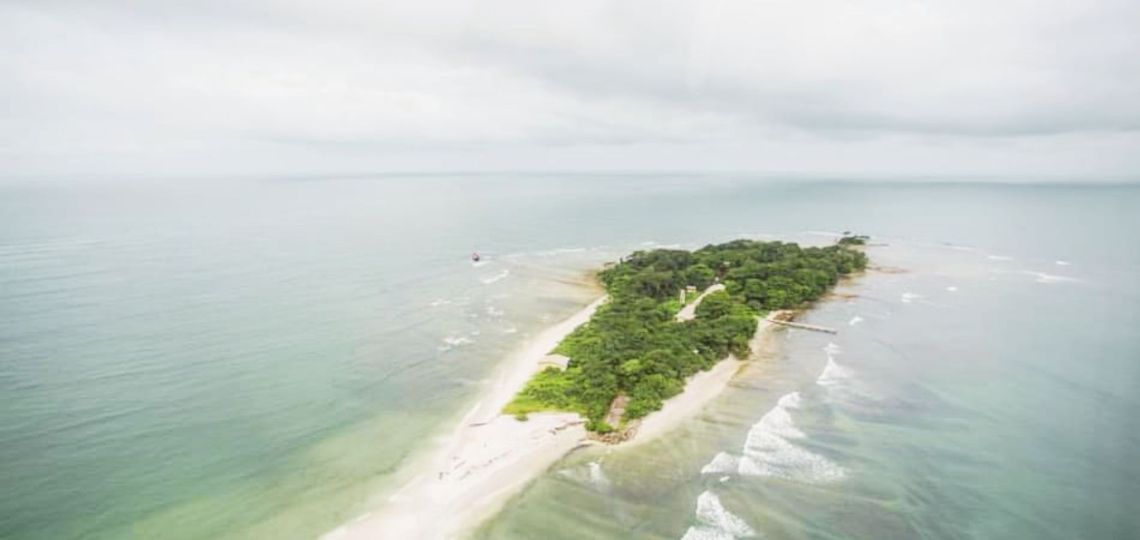
The territorial dispute over Mbanie Island, a tiny islet off the West African coast, exemplifies growing tensions in Central Africa surrounding oil resources. This conflict between Gabon and Equatorial Guinea dates back to the 1970s, but the discovery of hydrocarbons in the region in the early 2000s rekindled the feud.
In October, representatives from both nations presented their arguments before the International Court of Justice (ICJ) in The Hague, which will make a final ruling on the matter in 2025. Malabo, representing Equatorial Guinea, claims ownership of Mbanie based on a 1900 border treaty between Spain and France, which established colonial boundaries in West Africa. Gabon, on the other hand, grounds its case in the 1964 Bata Convention, a document that allegedly places the island within Gabonese territory. Equatorial Guinea, however, contests the legitimacy of this convention, deeming it unsigned and legally void.
Oil Resources at Stake
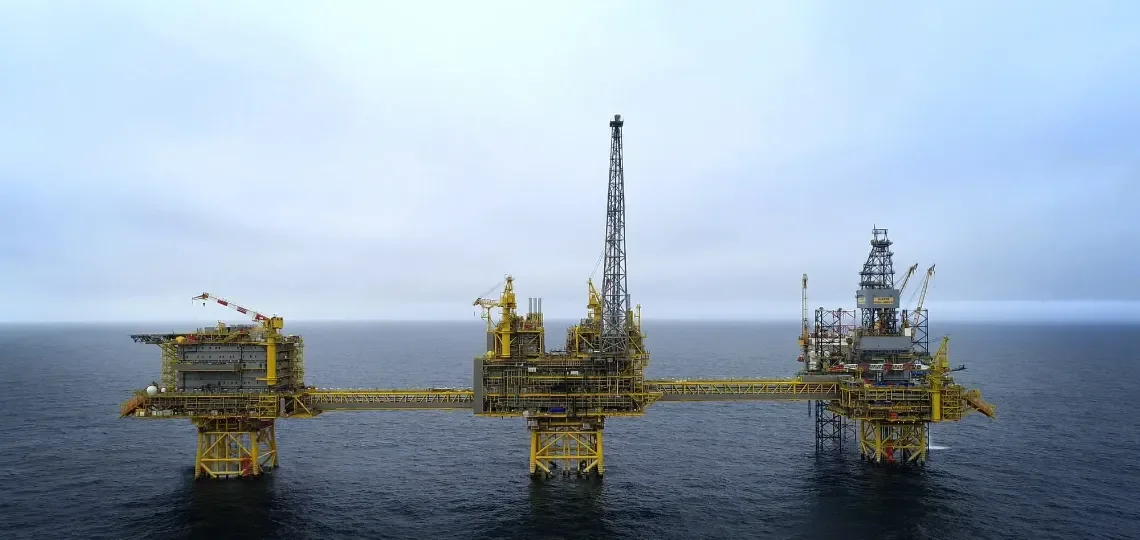
The stakes extend well beyond territorial claims: the waters around Mbanie Island hold significant oil resources. Nearby fields in Equatorial Guinea’s waters currently produce nearly 31,000 barrels of oil per day and contain over 740 million barrels of recoverable oil. Key sites include the deepwater Ceiba field and Okume complex, operated by international companies such as Trident Energy, Kosmos Energy, and Panoro Energy, alongside Equatorial Guinea’s national oil company, GEPetrol.
In Gabonese territory, oil prospects include the Nyonie Deep 1 project, operated by Perenco, and Capitaine Energy’s Topaze-Pilot project, both expected to commence production in the 2030s.
An Economic Dependence on Oil
The economies of Gabon and Equatorial Guinea are heavily reliant on oil revenues, making this resource a critical element of their economic stability. However, both countries have faced declining production in recent years. Once a major player in oil exploration, Equatorial Guinea has seen its production drop by 79% since a peak of 289,000 barrels per day in 2015. In September 2024, Equatorial Guinea’s output had fallen to just 60,000 barrels per day. The situation was further complicated in June when ExxonMobil exited, leaving GEPetrol, inexperienced in major project operations, responsible for managing the crucial Zafiro field.
In Gabon, production has plateaued since 2016, with the current output at approximately 210,000 barrels per day, despite efforts to boost extraction activities. In June, the Gabonese state-owned oil company preempted Maurel & Prom’s acquisition of Assala’s assets, supported by the trading house Gunvor.
A Decision That Could Redefine Regional Geopolitics
Territorial disputes over natural resources are common in Africa, where many nations share hydrocarbon-rich maritime zones. Recently, the Democratic Republic of the Congo and Angola signed a production-sharing agreement to resolve a 50-year dispute over Block 14, operated by Chevron. Resolving these conflicts is often viewed as a critical step toward stabilizing the region and attracting foreign investment in the energy sector.
For Gabon and Equatorial Guinea, whose economies are weakened by declining oil output, sovereignty over Mbanie Island could offer a path to revitalizing their respective industries. Neither state is willing to relinquish the promising prospects of the waters surrounding Mbanie, making this court ruling a pivotal moment in their energy strategy.