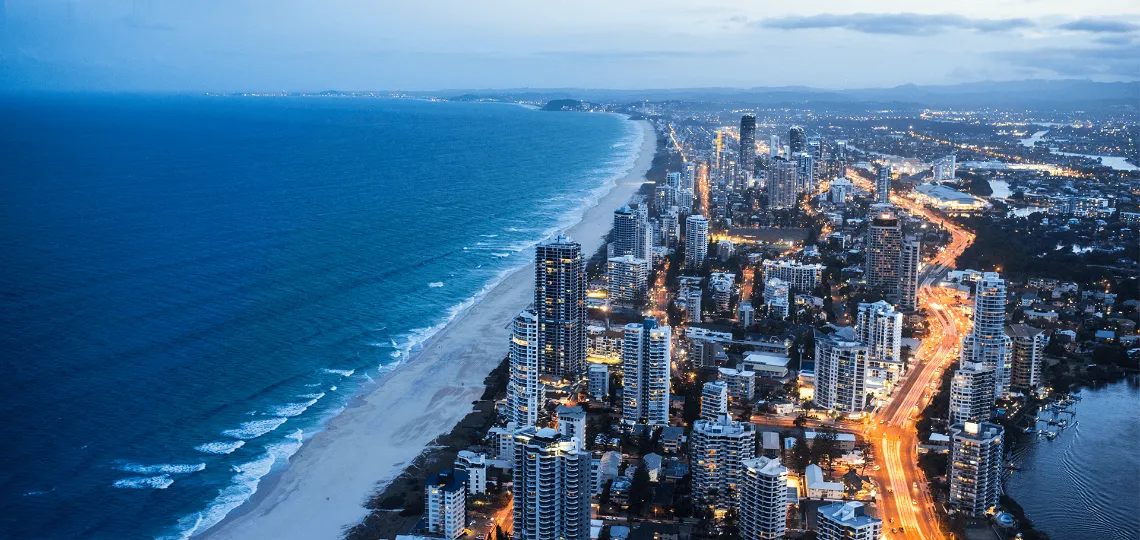
The Queensland government has decided to remove the targets requiring 80% of electricity to come from renewable sources by 2035, marking a major shift in the state’s energy regulation. The move comes as local authorities seek to stabilise their energy framework amid global market volatility.
Queensland’s Minister for Energy, David Janetzki, stated that maintaining coal and natural gas in the energy mix was necessary to stabilise electricity prices. He said the policy shift would support economic activity while preserving the state’s competitiveness in a rapidly changing energy sector.
Extension of coal-fired power plants
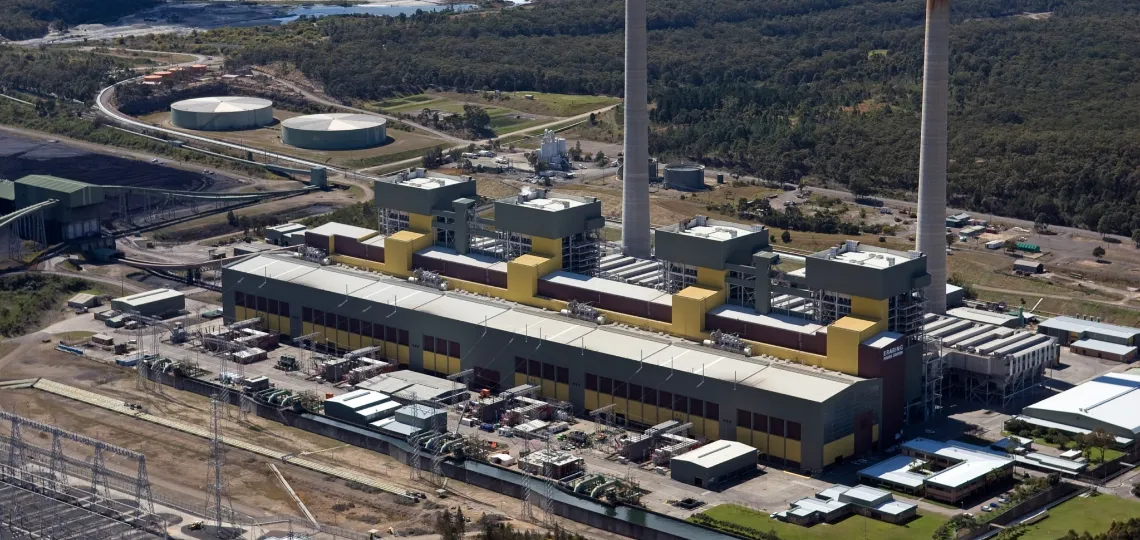
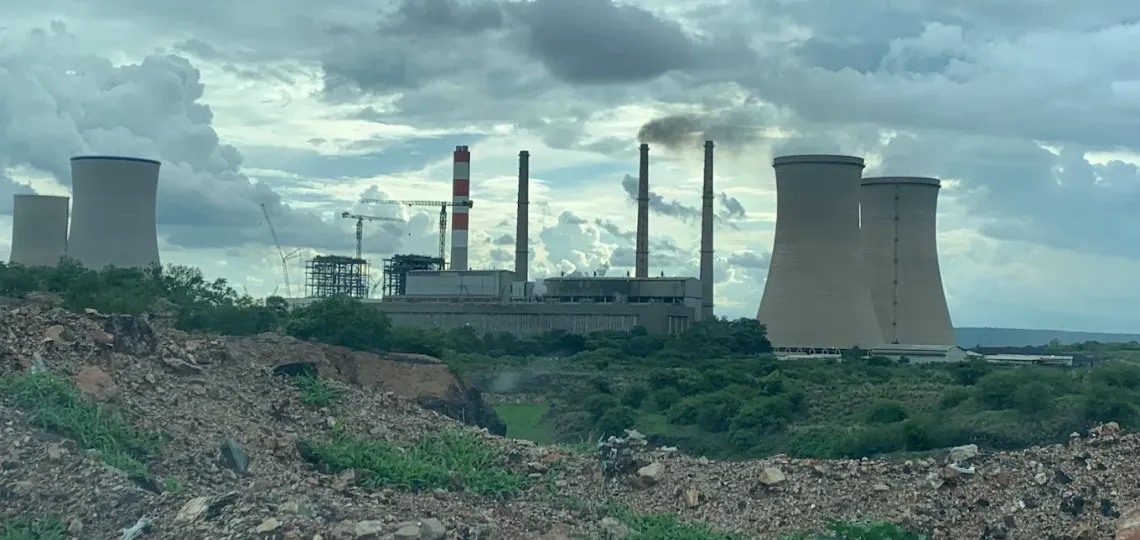
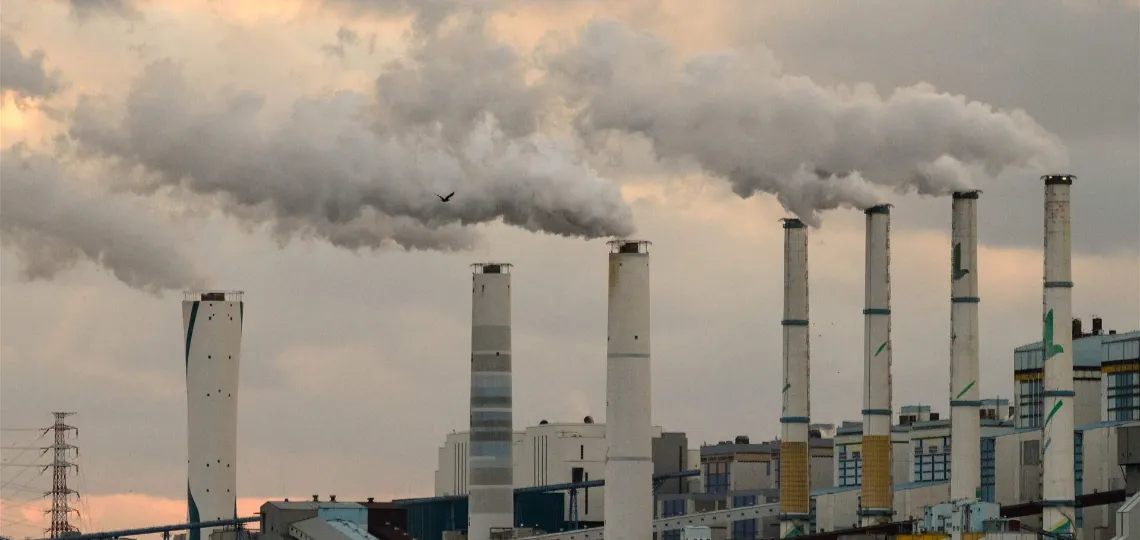
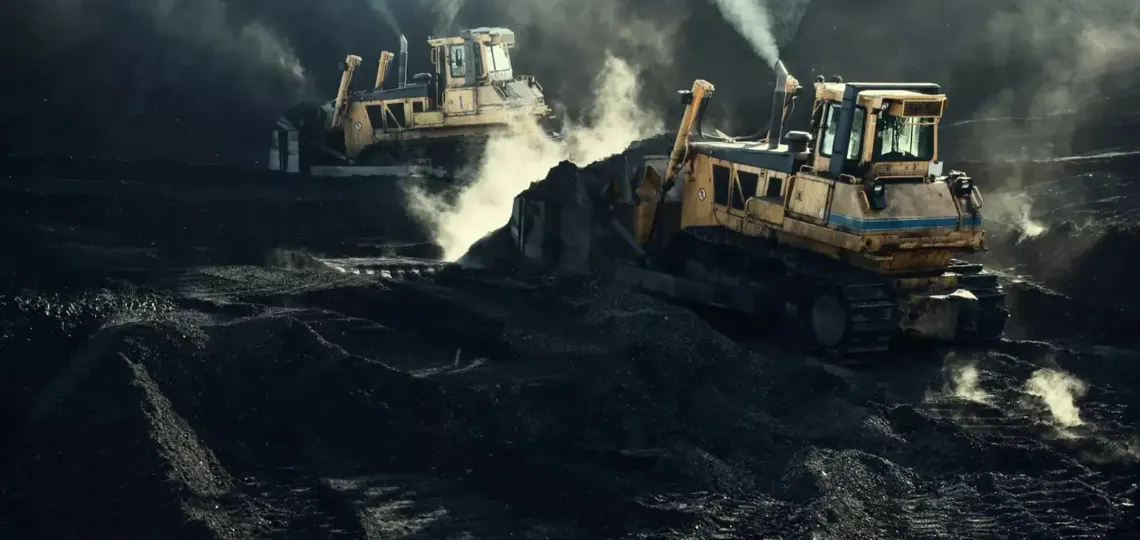
The withdrawal of the targets also means an extension of the operational life of coal-fired power stations originally scheduled for closure within the next decade. Authorities argue that these facilities remain essential to ensure supply continuity and mitigate peak demand risks.
The decision contrasts sharply with the strategy at the federal level. Australian Prime Minister Anthony Albanese’s government continues to promote a national transition away from coal through expanded deployment of low-carbon technologies, highlighting the regulatory divide between state and federal approaches.
A resource central to the local economy
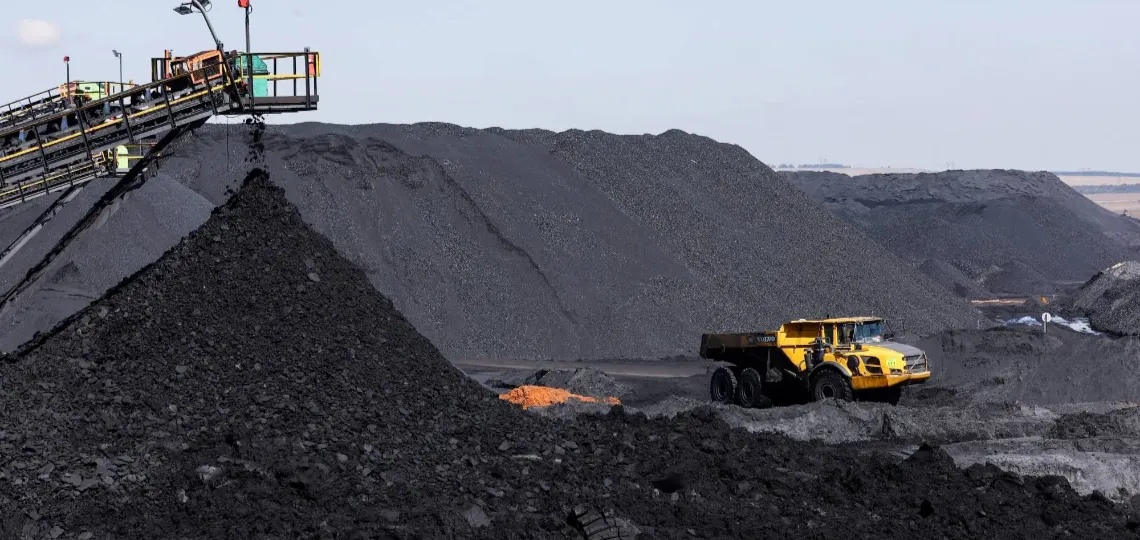
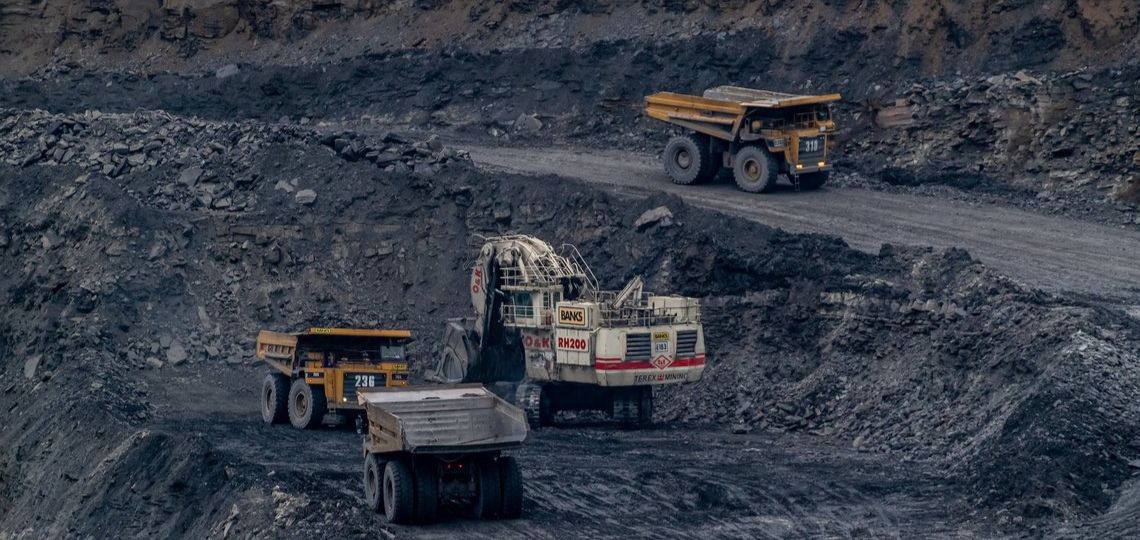
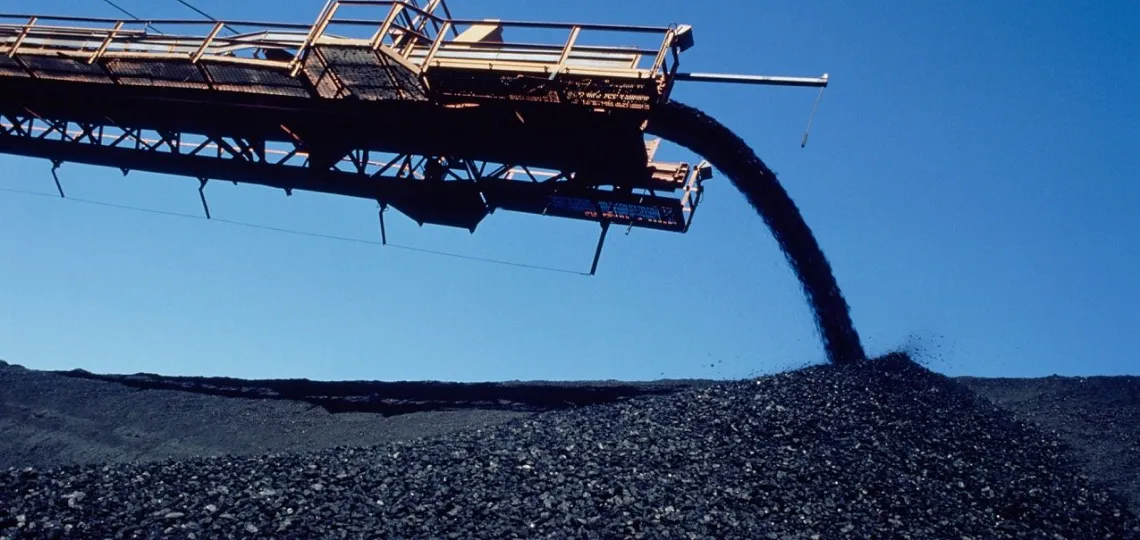
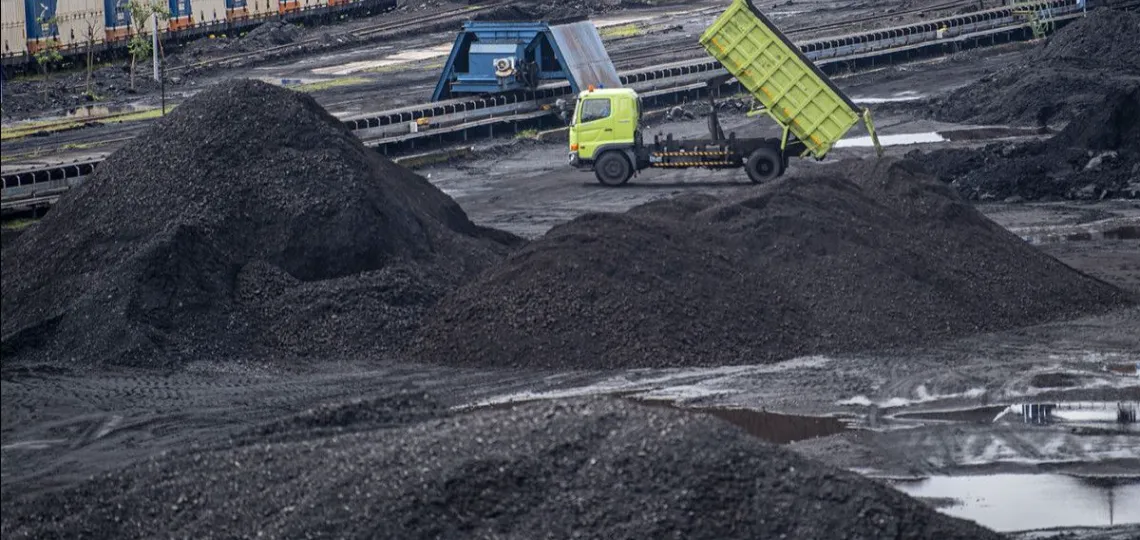
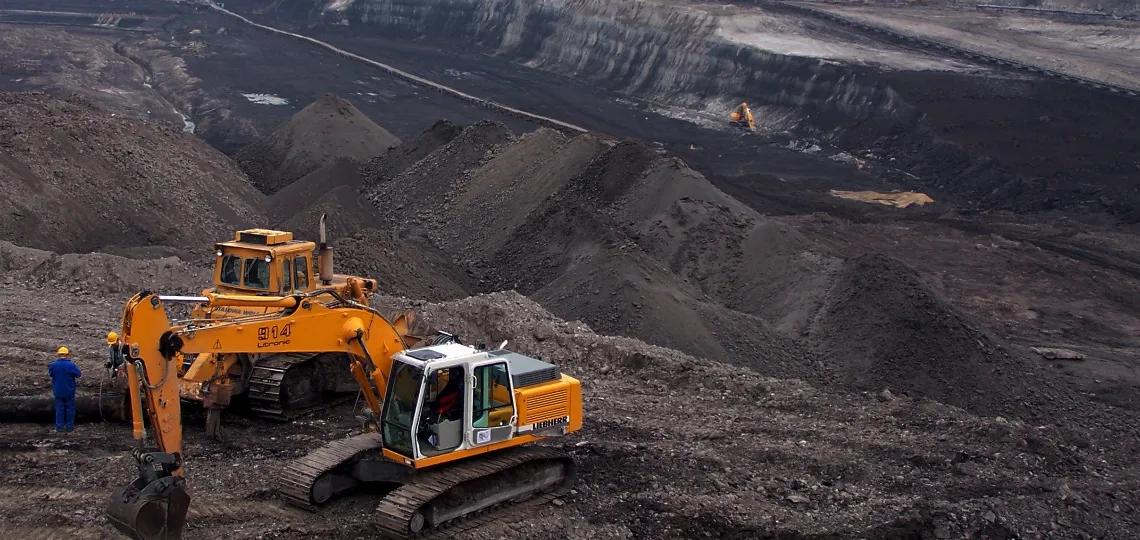
Queensland remains a core part of Australia’s coal industry, which plays a major economic role both domestically and through exports. Australia holds the world’s third-largest coal reserves, a factor that heavily influences the region’s political and regulatory choices.
Debates around this regulatory decision reflect the complexity of energy policy trade-offs between economic imperatives, infrastructure management, and evolving legislative frameworks.