Turkmenistan hosted a summit in Ashgabat gathering the presidents of Russia, Turkey and Iran, within a diplomatic framework based on the country’s permanent neutrality. This setup enabled bilateral and trilateral exchanges focused on regional commercial cooperation, particularly in the natural gas sector. The forum is part of a broader strategy to multiply dialogue formats outside traditional Western venues.
Turkmen neutrality as a driver of partnerships
Turkmenistan’s permanent neutrality, recognised by the United Nations (UN), serves as a legal foundation for hosting leaders facing diplomatic constraints. This status allows the country to position itself as a meeting platform for commercial discussions with limited political exposure. Talks held in Ashgabat focused on bilateral cooperation agreements, with no public figures disclosed but a clear orientation towards strengthening regional trade.
Turkmen authorities aim to capitalise on this position to diversify their commercial relationships, particularly in energy. Natural gas remains the country’s main source of foreign income, and its exports are heavily concentrated among a limited number of partners.
Gas at the heart of envisioned cooperation
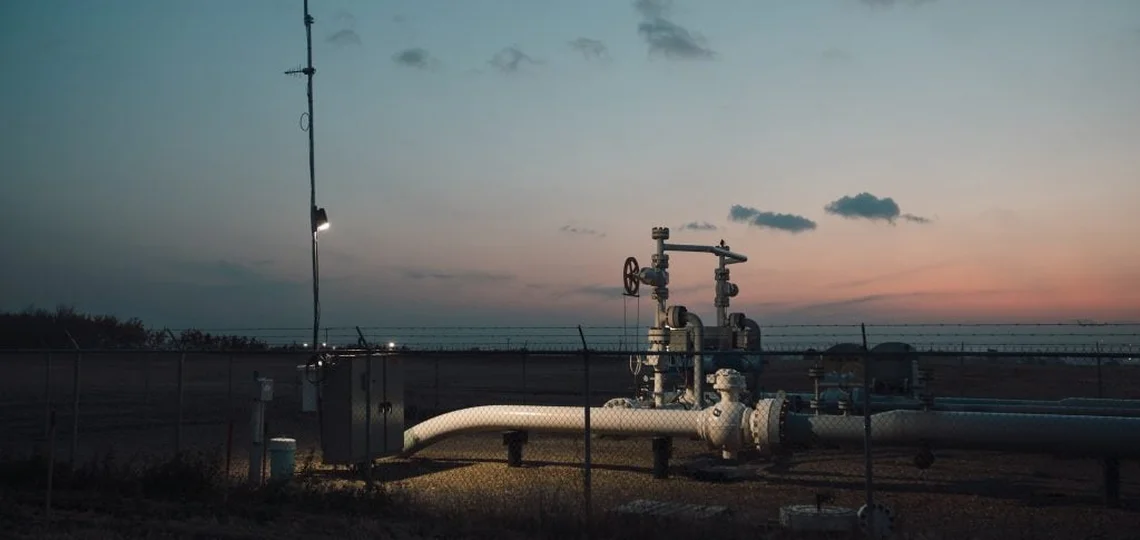
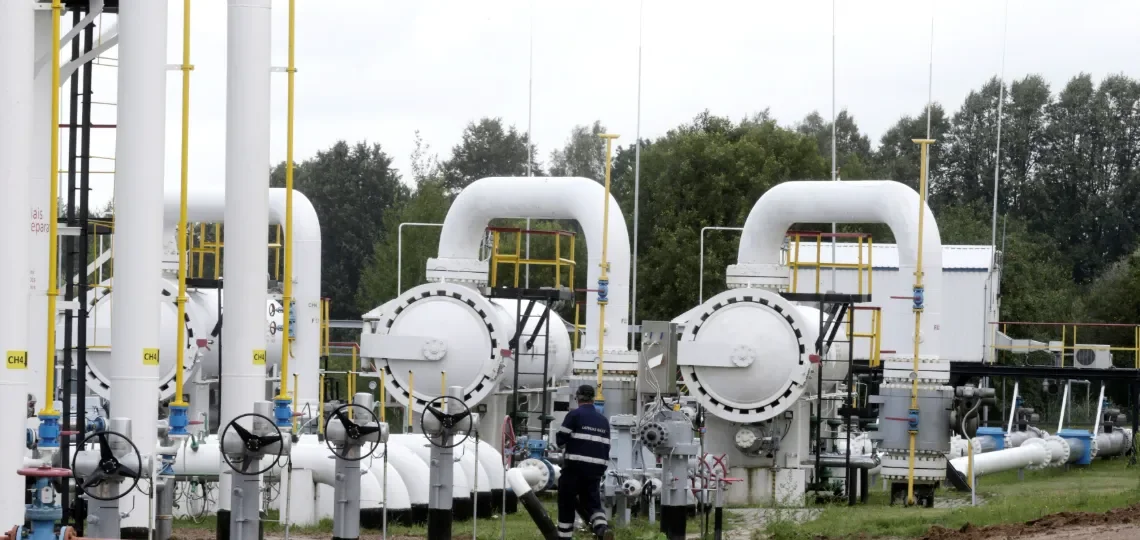
Exchanges between delegations highlighted planned commercial partnerships involving Turkmen gas. Swap mechanisms involving Iran were discussed as practical solutions to deliver volumes to Turkey. These setups rely on contractual compensations rather than immediate construction of new cross-border infrastructure.
The state-owned company Turkmengaz remains the central player in these discussions on the Turkmen side. In Turkey, state-owned BOTAŞ could act as buyer and aggregator within a broader commercial agreement framework. For Iran, the partnerships would involve transit and balancing services, integrated into existing bilateral agreements.
Commercial diversification amid ongoing dependency
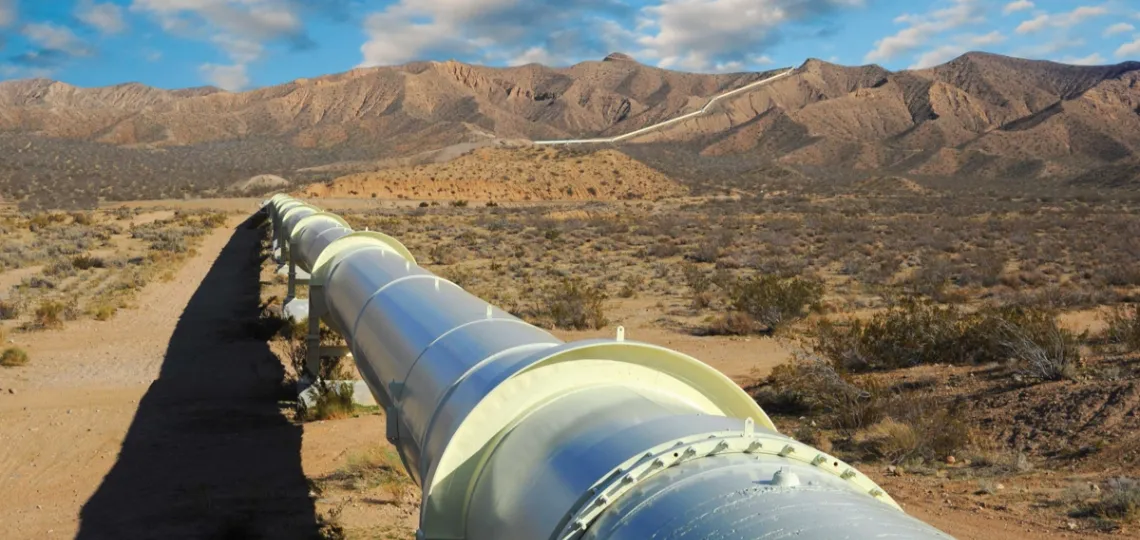
Turkmenistan’s gas export model currently relies primarily on China, through the Central Asia–China Gas Pipeline operated with China National Petroleum Corporation (CNPC). This concentration limits the country’s commercial flexibility and increases its interest in alternative partnerships. Even modest volumes destined for other markets can affect existing contractual balances.
Turkey is emerging as a strategic commercial partner due to its geographic position and its capacity to redistribute flows to other regional markets. Iraq’s participation at the summit also points to the exploration of additional southern commercial outlets, in a country structurally dependent on gas imports for electricity generation.
Regulatory constraints and economic parameters
The proposed commercial partnerships unfold in a complex regulatory environment. International sanctions affecting some participants require specific contractual structures, particularly regarding payments, insurance and logistics. These constraints can influence the profitability and operational implementation of the agreements.
In parallel, the environmental performance of gas value chains—particularly methane emissions—is increasingly considered by commercial and financial partners. These parameters may affect financing terms and counterpart selection, adding an extra layer to the ongoing negotiations in Ashgabat.