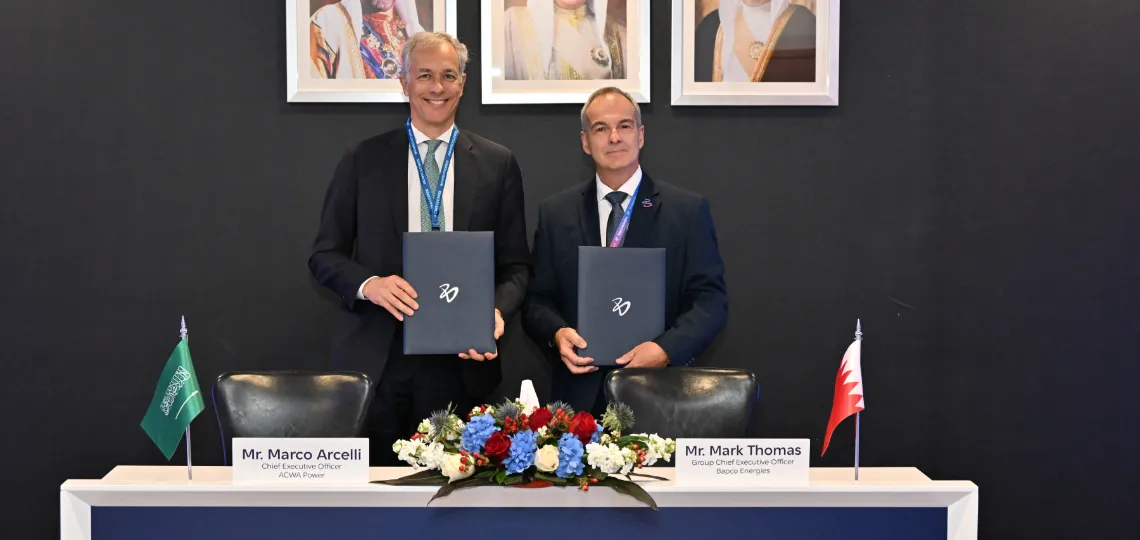
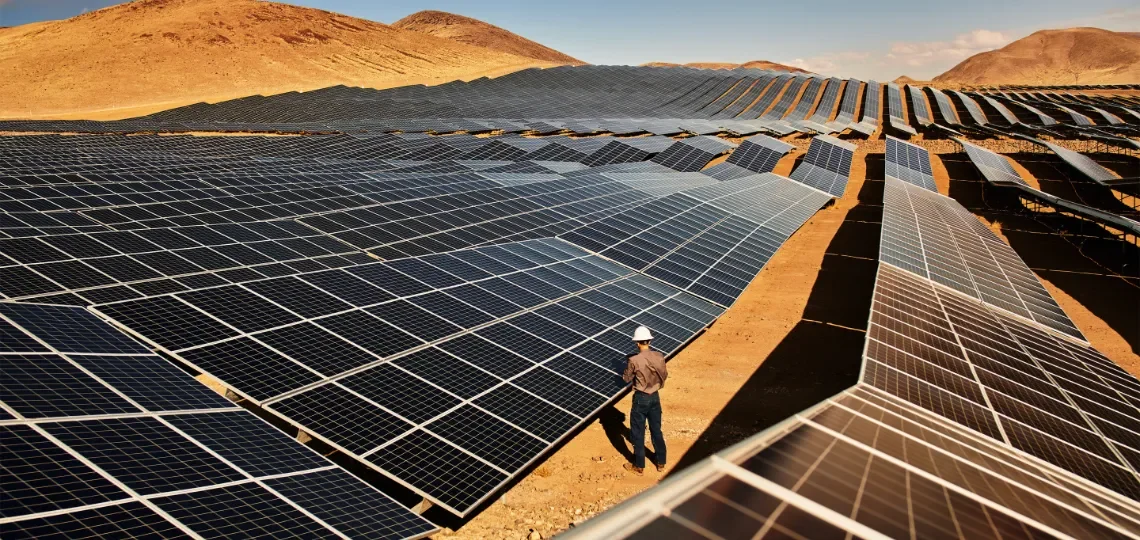
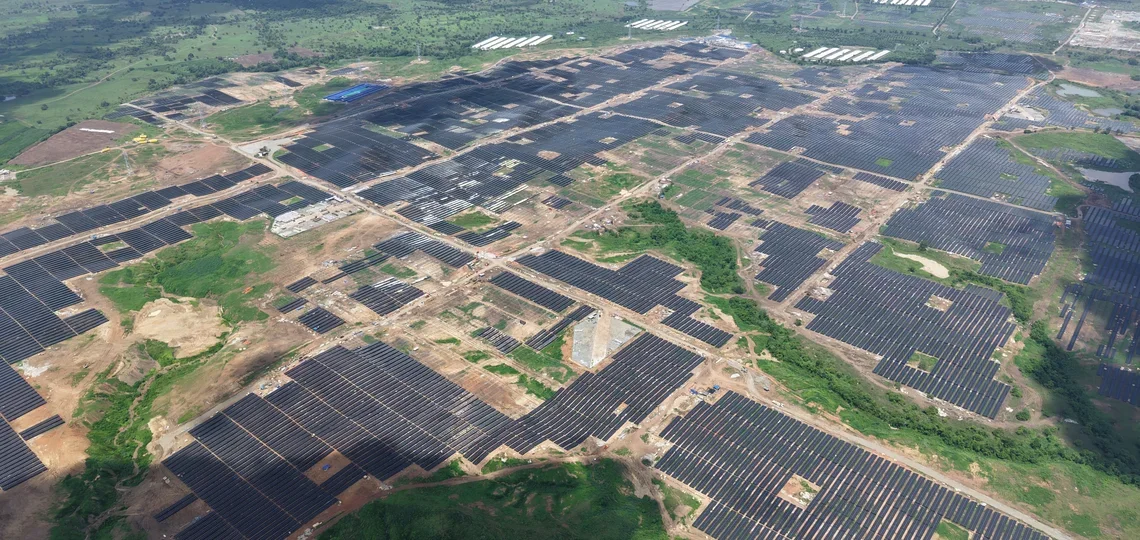
ACWA Power and Bapco Energies have formalised the signing of a joint development agreement for the creation of a solar power plant with a maximum capacity of 2.8 gigawatts, integrated with large-scale battery energy storage technology. The project will be located in the Eastern Province of the Kingdom of Saudi Arabia, and its output will be fully exported to Bahrain.
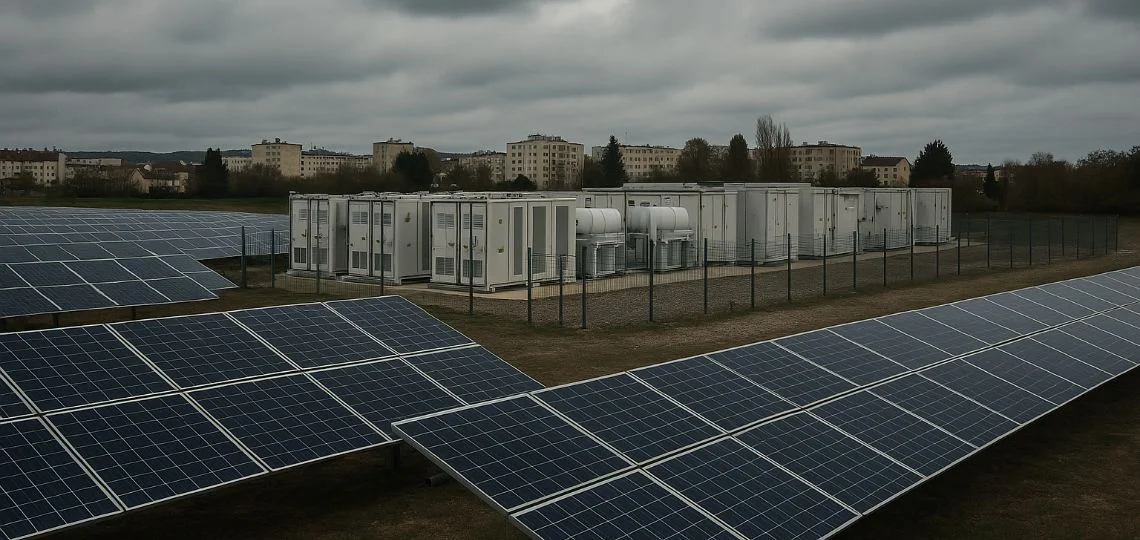
The announcement was made during the Saudi–Bahraini Coordination Council meeting held in December 2025. The project aims to strengthen energy ties between the two kingdoms and is part of a broader regional strategic cooperation. The electricity produced will be transmitted to Bapco Energies’ load centre in Bahrain to support the country’s energy needs.
A structuring project for energy interconnection
The development of this infrastructure in several phases marks a significant step forward for energy interconnection within the Gulf Cooperation Council (GCC). By transmitting renewable energy beyond its borders, Saudi Arabia reinforces its position as a regional electricity export hub. For Bahrain, the initiative helps secure its supply and diversify its energy mix.
According to the terms of the agreement, both companies will collaborate on the technical, regulatory and financial aspects of the project. This partnership also includes the integration of energy storage technologies to ensure stable power supply, regardless of solar intermittency.
A lever for long-term national strategies
The project is aligned with long-term national plans, including Saudi Arabia’s Vision 2030 and Bahrain’s Economic Vision 2030. Both states aim to support critical infrastructure as part of their economic transformation strategies, leveraging high-value regional partnerships.
Raad Al Saady, Vice Chairman and Managing Director of ACWA Power, stated that this agreement reflects “a shared commitment to a secure energy future,” while Mark Thomas, Group Chief Executive Officer of Bapco Energies, highlighted “the importance of this partnership in securing Bahrain’s long-term energy needs.”