Coal-fired power plants in western Turkey and the dismay of the local population

In Turkey, coal-fired power plants are causing environmental and health problems, damaging farmland and causing respiratory ailments. Despite emission reduction targets, their persistent expansion is creating tensions between the authorities and environmental activists, jeopardizing local livelihoods.

Share:

Comprehensive energy news coverage, updated nonstop

Annual subscription

8.25€/month*

*billed annually at 99€/year for the first year then 149,00€/year ​

Unlimited access • Archives included • Professional invoice

OTHER ACCESS OPTIONS

Monthly subscription

Unlimited access • Archives included

5.2€/month*
then 14.90€ per month thereafter

FREE ACCOUNT

3 articles offered per month

FREE

*Prices are excluding VAT, which may vary depending on your location or professional status

Since 2021: 35,000 articles • 150+ analyses per week

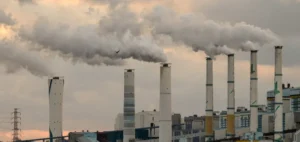
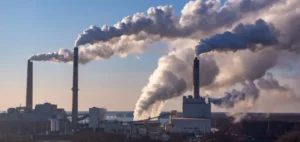
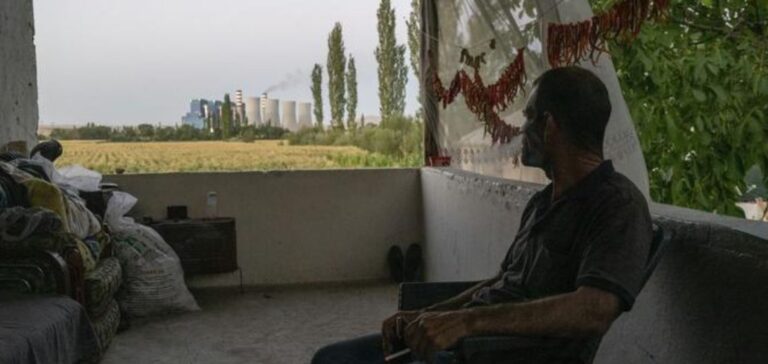
Osman Arslan prepares his tea kneeling at the foot of an early-morning tree, while behind him rises a coal-fired power station that looms like a beast over his Turkish village on the Aegean coast.

Soma coal-fired power plant: Between memories of flourishing agriculture and Turkey’s environmental struggle

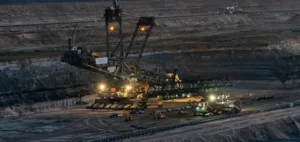
Having just returned from a pilgrimage to Mecca with his wife, the middle-aged man remembers the golden age of local agriculture, when there was no thermal power plant in Soma (west of the country). Back then, his olive trees were in better shape,” says Osman Arslan, as the smoke from his tea mingles with that from the power plant’s chimneys. In addition to the environmental consequences, the Soma coal mine was also the site of Turkey’s worst industrial disaster.

In 2014, over 300 people died in an accident at the mine, making the industry very unpopular with the local population. However, like other power plants, Soma is seeing its coal resources dwindle drastically and is looking to expand onto new land, much to the dismay of local residents. Environmental activists and villagers clashed with the gendarmerie in southwest Turkey’s Mugla province when a factory began felling trees and olive groves in search of coal last month.

A high human cost: Impact of coal-fired power plants in Turkey on health and the environment

An AFP journalist toured the vicinity of five coal-fired power plants in Turkey, to see that the human cost of this highly polluting energy resource is high. Olives in the Aegean town of Milas, tomatoes and beans on the Afsin plain are no longer flowering to the same extent, while respiratory problems have become the main killer in Yatagan (south-east).

Here, the power plant, one of the oldest in the country, emits a strong smell of methane that permeates the air, and layers visible to the naked eye cover trees and gardens. Okan Goktas, 44, who irrigates his land in the late afternoon, tells us that his brother used to work at the plant, as did “several villagers in the surrounding area”, before retiring.

“Aid (from the government, ed. note) for agriculture is almost non-existent, so the population had no choice but to work at the power station.”

While conservative President Recep Tayyip Erdogan, re-elected in May, has pledged that Turkey will achieve zero carbon emissions by 2053, criticism is mounting. Turkey is the last country in the Group of 20 leading economies in the world to have ratified the Paris Agreements, after the environment became a major issue following the fatal fires in 2021. Anyway, the power plants get the necessary government approvals for their expansions.

Power plants’ insatiable appetite: When farmland gives way to energy expansion in Turkey

The Yenikoy and Kemerkoy power plants have mowed down land where Milas olives, exported worldwide, once grew. According to the villagers, the Yenikoy power plant buys agricultural land at reduced prices, playing on the desperation of local landowners who are convinced they have no other choice. But the Yenikoy power plant still seems insatiable, and continues its quest for agricultural land and forests to meet its needs.

Over the past two years, several bays have been almost completely swallowed up, forcing some villagers to migrate, others to see their lives now dependent on work in these factories. According to Nail, 63, the Karabiga plant on the Aegean coast employs 600 people, including his son.

Yusuf, who watches the mine from his balcony in the town of Afsin, in the southeastern Turkish province of Kahramanmaras, is also a miner. According to him, farmers are struggling to cultivate their land because of the mine’s pollution. The 48-year-old miner is convinced that the mine does not use proper air filters at night, which prompted him and his brother to take legal action. To no avail. The commissioned experts concluded that there had been no infringement.

A new independent study shows that maintaining aging coal plants increases electricity bills in Kentucky, while a renewable-based energy portfolio could generate up to $2.6bn in savings by 2050.
Queensland, Australia's leading coal-producing state, has scrapped its 2035 renewable energy targets, citing competitiveness and energy cost stability as key priorities.
Rising wholesale electricity prices in 2025 are strengthening margins for coal and gas-fired plants in the United States, with the profitability gap between the two narrowing significantly.
New Delhi formalises a 307 GW coal capacity cap by 2035, integrating existing projects without initiating closure policies, within a regulatory framework that remains flexible.
Bangladesh temporarily blocks international arbitration with Adani Power pending the conclusions of an expert committee on the legality of the electricity supply contract signed with the Indian conglomerate.
The European Commission has approved a €1.75 bn ($2.03 bn) public subsidy from Germany to compensate energy company LEAG for the planned shutdown of its coal-fired power plants by 2038.
Seoul joins the Powering Past Coal Alliance and confirms a gradual withdrawal from unabated coal, with a regulatory programme targeting the closure of 40 facilities and a strict assessment of the remaining units.
Indonesia’s coal overproduction has cut state revenues and company profits, while methane emissions from mines far exceed official figures.
The Brazilian government is granting new contracts to coal-fired power plants until 2040, illustrating the weight of regulatory decisions and industrial interests in a country predominantly powered by renewable energy.
New Delhi is preparing a revised roadmap for its climate commitments while maintaining heavy reliance on coal to sustain economic growth and respond to growing regulatory pressure.
J-POWER announces the retirement of its 500MW coal-fired Takasago Thermal Power Station in Hyogo Prefecture by FY2028, marking a key shift in its energy investment strategy.
US coal exports fell 11% in the first half of 2025, prompting the Trump administration to commit $100mn to upgrade domestic power plants and support the national energy sector.
A modelling study finds India does not need new coal plants beyond current plans through 2032, as overcapacity would raise costs and reduce utilisation across the thermal fleet.
Morocco announces a coal exit target for 2040, subject to international support, while accelerating the deployment of renewable energy in its power mix.
Falling Chinese imports and Asia’s regional pivot increase pressure on Australian thermal coal exporters.
Chinese buyers begin negotiations for 2026 thermal coal deliveries, favouring shorter contracts to maintain flexibility in a stable price environment.
Queensland coal producers are struggling to rein in costs, which remain above pre-2022 levels as the impact of royalty hikes and margin pressures continues to weigh on the sector.
Coal will temporarily become the main source of electricity in the Midwest markets MISO and SPP during winter, according to the latest federal forecasts.
The Trump administration plans to open millions of federal hectares to coal and ease environmental rules governing this strategic industry.
The integration of private operators into South Africa’s rail network marks a turning point for coal exporters, with a target of 55 million tonnes exported in 2025 from the Richards Bay terminal.

All the latest energy news, all the time

Annual subscription

8.25€/month*

*billed annually at 99€/year for the first year then 149,00€/year ​

Unlimited access - Archives included - Pro invoice

Monthly subscription

Unlimited access • Archives included

5.2€/month*
then 14.90€ per month thereafter

*Prices shown are exclusive of VAT, which may vary according to your location or professional status.

Since 2021: 30,000 articles - +150 analyses/week.