TotalEnergies and Iraq in negotiations for an energy agreement

TotalEnergies and Iraq negotiate a key energy deal amid rising oil prices. Iraqi politicians have disagreements over Iraq's share of the project, but both sides are committed to keeping oil production stable.

Share:

Comprehensive energy news coverage, updated nonstop

Annual subscription

8.25$/month*

*billed annually at 99$/year for the first year then 149,00$/year ​

Unlimited access • Archives included • Professional invoice

OTHER ACCESS OPTIONS

Monthly subscription

Unlimited access • Archives included

5.2$/month*
then 14.90$ per month thereafter

FREE ACCOUNT

3 articles offered per month

FREE

*Prices are excluding VAT, which may vary depending on your location or professional status

Since 2021: 35,000 articles • 150+ analyses per week

Negotiations between TotalEnergies and Iraq on a $27 billion energy deal have reached an advanced stage, according to Iraqi Oil Minister Hayan Abdel-Ghani.

TotalEnergies and Iraq in advanced negotiations for an energy agreement

Negotiations for the $27 billion energy deal between TotalEnergies and Iraq have reached an advanced stage, Iraqi Oil Minister Hayan Abdel-Ghani said. Iraqi politicians disagree on the terms of the agreement, but Abdel-Ghani hopes the deal will boost foreign investment in the country. The two parties signed the agreement in 2021, allowing TotalEnergies to build four oil, gas and renewable energy projects in southern Iraq over 25 years with an initial investment of $10 billion.

Disagreements over Iraq’s share of the proposed energy deal with TotalEnergies

However, Iraq’s request for a 40% share in the project is a key stumbling block, while TotalEnergies wants a majority stake. Sources said that this Iraqi demand was a major obstacle to reaching the agreement. When asked if the issue of Iraq’s share in the project had been resolved, Abdel-Ghani said, “This is not the time to discuss the shares and we will announce them when an agreement is reached.”

Iraq pledges to maintain oil production

According to Abdel-Ghani, head of the Iraqi State Oil Reserves Board, Iraq has committed to maintaining its oil production at 220,000 barrels per day, in line with its quota under the OPEC+ agreement. This decision is aimed at supporting the efforts of the group of oil producers to stabilize world market prices.

If necessary, Iraq says it is ready to increase its oil production with the OPEC+ group of producers. This decision comes in a context where oil prices have risen significantly over the last period. This measure is intended to meet the growing demand of the world market and to prevent any possible shortage of oil.

In conclusion, negotiations between TotalEnergies and Iraq for a $27 billion energy deal have reached an advanced stage, although disagreements remain over Iraq’s share in the project. This agreement is crucial to revive foreign investment in the country and to keep oil production at stable levels in line with OPEC+ quotas. In a context of rising oil prices, it is important that Iraq and the producing players work together to meet the growing demand of the global market and prevent any potential oil shortages.
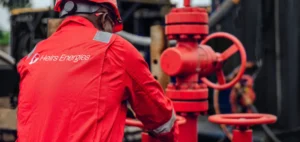
The agreement signed with Afreximbank marks a strategic shift for Heirs Energies, aiming to scale up its exploration and production operations on Nigeria's OML 17 oil block.
Oritsemeyiwa Eyesan’s appointment as head of Nigeria’s oil regulator marks a strategic shift as the country targets $10bn in upstream investment through regulatory reform and transparent licensing.
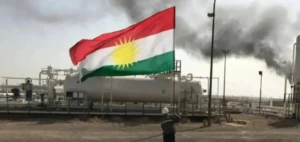
Baghdad states that all international companies operating in Kurdistan’s oil fields must transfer their production to state marketer SOMO, under the agreement signed with Erbil in September.
Chinese oil group CNOOC continues its expansion strategy with a new production start-up in the Pearl River Basin, marking its ninth offshore launch in 2025.
A train carrying over 1,200 tonnes of gasoline produced in Azerbaijan entered Armenia on December 19, marking the first commercial operation since recent conflicts, with concrete implications for regional transit.
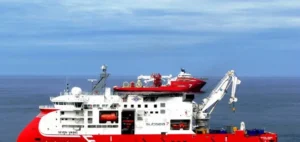
Subsea 7 has secured a new extension of its frame agreement with Equinor for subsea inspection, maintenance and repair services through 2027, deploying the Seven Viking vessel on the Norwegian Continental Shelf.
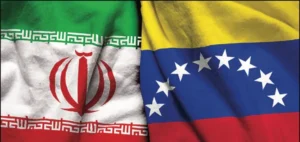
Caracas says Iran has offered reinforced cooperation after the interception of two ships carrying Venezuelan crude, amid escalating tensions with the United States.
US authorities intercepted a second oil tanker carrying Venezuelan crude, escalating pressure on Caracas amid accusations of trafficking and tensions over sanctioned oil exports.
California Resources Corporation completed an all-stock asset transfer with Berry Corporation, strengthening its oil portfolio in California and adding strategic exposure in the Uinta Basin.
The Ugandan government aims to authorise its national oil company to borrow $2 billion from Vitol to fund strategic projects, combining investments in oil infrastructure with support for national logistics needs.
British company BP appoints Meg O'Neill as CEO to lead its strategic refocus on fossil fuels, following the abandonment of its climate ambitions and the early departure of Murray Auchincloss.
The Venezuelan national oil company has confirmed the continuity of its crude exports, as the United States enforces a maritime blockade targeting sanctioned vessels operating around the country.
Baker Hughes will supply advanced artificial lift systems to Kuwait Oil Company to enhance production through integrated digital technologies.
The United States has implemented a full blockade on sanctioned tankers linked to Venezuela, escalating restrictions on the South American country's oil flows.
Deliveries of energy petroleum products fell by 4.5% in November, driven down by a sharp decline in diesel, while jet fuel continues its growth beyond pre-pandemic levels.
ReconAfrica is finalising preparations to test the Kavango West 1X well in Namibia, while expanding its portfolio in Angola and Gabon to strengthen its presence in sub-Saharan Africa.
Shell has reopened a divestment process for its 37.5% stake in Germany's PCK Schwedt refinery, reviving negotiations disrupted by the Russia-Ukraine conflict and Western sanctions.
Aliko Dangote accuses Nigeria’s oil regulator of threatening local refineries by enabling refined fuel imports, while calling for a corruption probe against its director.
Shell Offshore approves a strategic investment to extend the life of the Kaikias field through a waterflood operation, with first injection planned for 2028 from the Ursa platform.
Oil prices drop amid progress in Ukraine talks and expectations of oversupply, pushing West Texas Intermediate below $55 for the first time in nearly five years.

All the latest energy news, all the time

Annual subscription

8.25$/month*

*billed annually at 99$/year for the first year then 149,00$/year ​

Unlimited access - Archives included - Pro invoice

Monthly subscription

Unlimited access • Archives included

5.2$/month*
then 14.90$ per month thereafter

*Prices shown are exclusive of VAT, which may vary according to your location or professional status.

Since 2021: 30,000 articles - +150 analyses/week.