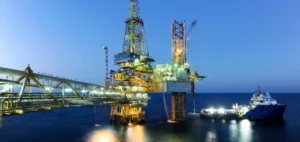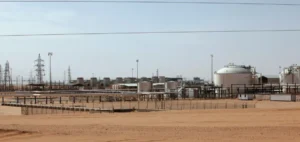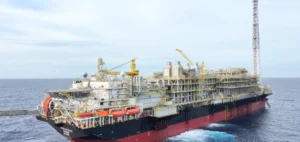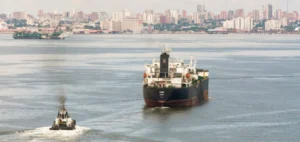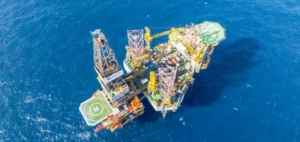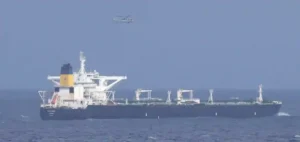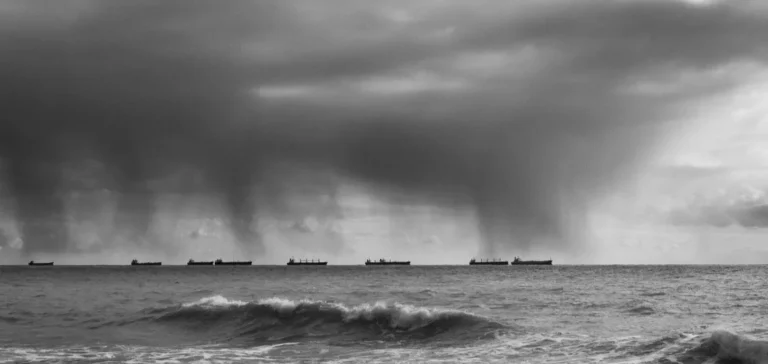

Oil transshipment operations were suspended at the Caspian Pipeline Consortium (CPC) Marine Terminal in the Black Sea due to extreme weather conditions. The shutdown occurred on December 29, while storm warnings were active in the region. The consortium also stopped accepting incoming crude the same day as its storage facilities reached full capacity.
Infrastructure network under logistical pressure
The halt in activities was communicated to all affected shippers in accordance with the consortium’s operational procedures. The CPC marine terminal, located near Novorossiysk, plays a strategic role in Kazakhstan’s oil exports, particularly from the Tengiz field. This 1,511-kilometre pipeline transports more than two-thirds of Kazakhstan’s export crude, along with significant volumes from Russian fields in the Caspian region.
In addition to weather-related disruptions, the consortium noted that shipment regularity had already been impacted by earlier incidents. An attack involving an unmanned boat had damaged one of the three offshore loading facilities, the Single Point Mooring (SPM-2). Repairs on another buoy, SPM-3, are ongoing but slowed by severe winter conditions.
A regional logistics hub
The CPC marine terminal operates with three offshore mooring buoys, allowing tankers to load crude without entering the port. This setup ensures continuous offshore logistics but remains vulnerable to weather disruptions and technical incidents.
The consortium includes the Russian Federation, Kazakhstan’s national oil company KazMunayGas, and several international energy firms. This ownership structure reflects the strategic importance of the infrastructure to regional and global energy markets. No timeline has yet been given for the full resumption of operations or the return to standard shipment volumes.