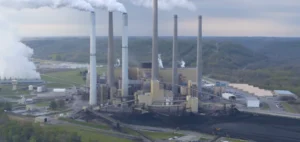
Zimbabwe will increase its electricity production capacity by 400 megawatts (MW) through a $455mn upgrade programme of its Hwange thermal power plant. The project, approved by the government in September and signed in December, is being implemented in partnership with the Africa-focused subsidiary of Indian conglomerate Jindal Steel & Power Limited.
A strategic contract with Jindal Steel
The 15-year concession agreement signed between the Zimbabwean state and Jindal Steel involves the refurbishment of the oldest units at the Hwange power station, located in the country’s northwest. Cletus Nyachowe, Acting Chief Executive Officer of the Zimbabwe Electricity Supply Authority (ZESA), stated that rehabilitation work will begin in the first quarter of 2026.
“The 15-year agreement with Jindal will improve generation, with an additional 400 MW expected within the next 48 months,” Nyachowe said. This added capacity represents one fifth of the current national demand, estimated at around 2,000 MW, while the country currently produces only half of that volume.
Aging infrastructure and growing demand
With an installed capacity of 1,520 MW, Hwange is the country’s largest thermal power facility. Two 300 MW units were commissioned in 2023, but the remaining infrastructure, built in the 1980s, is operating at only a third of its capacity due to repeated technical failures.
In addition to Hwange, Zimbabwe also relies on the Kariba hydroelectric plant, which has had a capacity of 1,050 MW since its 2018 upgrade. However, output from this facility has declined in recent years due to prolonged droughts affecting the Zambezi River’s flow.
A challenge for supply continuity
Extended power outages have a direct impact on industry and households, revealing the limitations of an energy fleet reliant on outdated infrastructure and unstable climatic conditions. The rehabilitation of Hwange emerges as a lever to secure supply while awaiting new investments in the energy mix.
The project awarded to Jindal Steel reflects a strategy of international partnership to compensate for insufficient local capacity in heavy maintenance. Indian expertise in coal-fired plants is expected to restore technical performance of the ageing units, with completion targeted by the end of 2029.