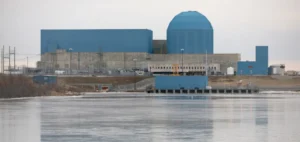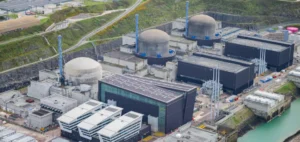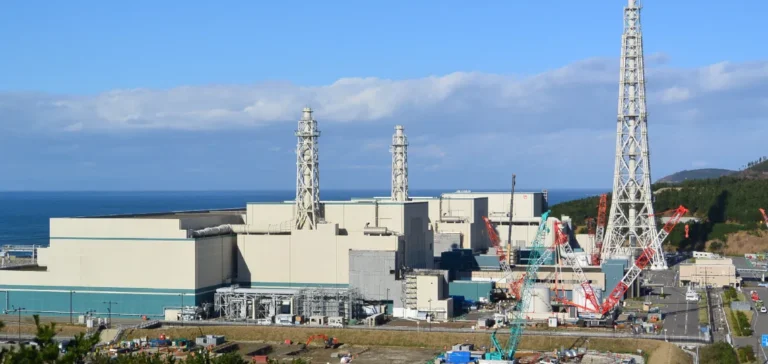

The Kashiwazaki-Kariwa nuclear power plant, considered the world’s largest by installed capacity, is moving closer to restarting after receiving approval from the Niigata prefectural assembly. This institutional support comes nearly fifteen years after Japan shut down all of its nuclear reactors in the aftermath of the Fukushima disaster in 2011.
Niigata Governor Hideyo Hanazumi announced his endorsement of the project in November, a position now reinforced by a local budget vote that included a resolution of support. The plant, operated by Tokyo Electric Power Company Holdings Inc. (Tepco), would be the first of the group’s nuclear facilities to resume operations since the Fukushima Daiichi accident.
Gradual revival of nuclear operations
Japan, the world’s fifth-largest carbon dioxide emitter, has restarted 14 reactors nationwide after strengthening its nuclear safety requirements. The restart of Kashiwazaki-Kariwa addresses two main challenges: securing the country’s energy supply and reducing dependence on fossil fuels, as growing digital infrastructure increases electricity demand.
Tepco plans to reactivate one of the plant’s seven reactors around January 20, according to national media reports. The operator is now awaiting review from Japan’s Nuclear Regulation Authority, the final step before operations resume. The 400-hectare site, located on the Sea of Japan coast, has already been certified as compliant with national safety standards.
Political support and national energy strategy
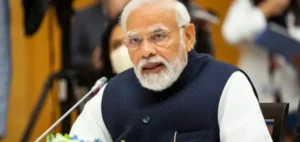
Prime Minister Sanae Takaichi reaffirmed the strategic role of nuclear energy in meeting the country’s climate goals. Japan aims to cut the share of electricity produced by thermal power plants, which accounted for 70% of demand in 2023, to 30–40% by 2040. The energy mix is expected to shift toward a more balanced use of different sources.
Before the 2011 earthquake, nuclear power accounted for about one-third of Japan’s electricity. This share dropped sharply following the shutdown of all reactors, leading to increased imports of coal, oil and liquefied natural gas. The restart of Kashiwazaki-Kariwa, alongside the gradual reactivation of other sites, is part of a broader strategy to reduce structural dependence on imported energy.
Industry Minister Ryosei Akazawa is scheduled to meet with Governor Hanazumi on Tuesday to officially receive the local endorsement for the project.