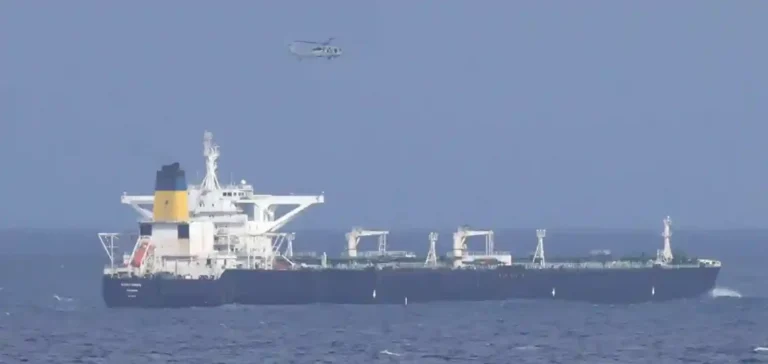

The US Coast Guard, backed by the Pentagon, seized a vessel transporting crude oil from Venezuela, intensifying enforcement actions by the United States against oil exports from the South American country. The operation follows Washington’s expanded blockade under President Donald Trump, aimed at curbing what it describes as illegal trade funding regional narcoterrorism.
Seizure of the Centuries in international waters
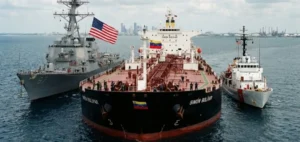
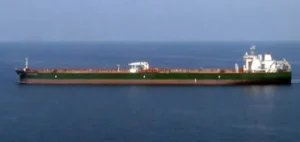
The vessel, identified as Centuries and sailing under the Panamanian flag, had loaded approximately 1.8 million barrels of crude from a Venezuelan port, reportedly for a Chinese company. According to Secretary of Homeland Security Kristi Noem, the operation took place before dawn, with aerial deployment and military boarding of the tanker. An eight-minute video posted on social media showed the airborne interception and the boarding process.
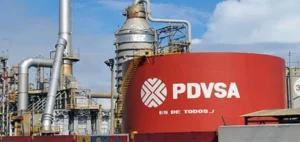
The Centuries does not appear on the US Treasury’s current list of sanctioned entities, but US authorities claim the cargo falls under existing sanctions targeting Petróleos de Venezuela S.A. (PDVSA), Venezuela’s state-owned oil company. A White House spokeswoman described the vessel as operating under a “false flag” and part of a “ghost fleet” used to evade sanctions and finance the Maduro administration.
Caracas issues strong condemnation
The Venezuelan government denounced the seizure as an act of “theft” and accused the US military of forcibly disappearing the crew. It marked the second such tanker interception by US forces this month. Caracas stated its intention to bring the matter before the United Nations Security Council, claiming the actions breach international maritime law.
Under US embargo since 2019, Venezuelan crude is sold at discounted prices, primarily to Asian markets. The Venezuelan government denies any involvement in drug trafficking and accuses the United States of using sanctions and military pressure to seize control of the country’s extensive oil reserves.
Increased military presence in the Caribbean
The US military has escalated its operations in the Caribbean in recent months, targeting alleged drug trafficking networks. Since summer, at least 104 people have reportedly been killed during maritime interceptions in the region, according to data from NGOs and international observers. No public evidence has been provided confirming that the targeted vessels were engaged in illicit activities.
At the Mercosur summit held in Brazil, President Luiz Inácio Lula da Silva warned of the risks of open conflict. In contrast, Argentine President Javier Milei expressed support for the US strategy. The situation continues to divide regional governments as tensions mount over access to Venezuelan oil.