Shell has resumed efforts to exit Germany’s PCK Schwedt oil refinery, according to three sources familiar with the matter. The British energy major owns a 37.5% stake in the strategically located plant in the country’s northeast, at the centre of political tensions linked to sanctions against Russia. A data room was reopened this month for interested investors to review information ahead of a potential transaction.
The impact of sanctions on operations
Control of the refinery, which supplies a significant portion of the Berlin region’s fuel, was removed from Rosneft, which holds 54.17%, by the German government in 2022. This measure followed Russia’s invasion of Ukraine and the subsequent severing of energy ties between Berlin and Moscow. Since then, the German government has maintained temporary trusteeship over the strategic asset, renewing it every six months, without formally acquiring ownership.
An earlier attempt to sell Shell’s stake to the UK-based Prax Group in 2022 failed. This time, Shell is reportedly seeking binding offers by the end of January, according to one of the sources. The group has officially declined to comment on the ongoing process.
Renewed interest from Liwathon Group
Among the interested parties is Liwathon Group, an energy trader based in Tallinn with oil and refined product terminals in Estonia and the Bahamas. Tibor Fedke, a partner at law firm Noerr who regularly advises the group in Germany, confirmed Liwathon’s interest in the refinery. In 2021, before the outbreak of war in Ukraine, Shell had already selected Liwathon’s Austrian unit, Alcmene, as a potential buyer.
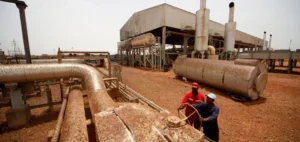
The Schwedt refinery, with a capacity of up to 230,000 barrels per day, remains a politically sensitive site in Germany. The government has so far avoided formal expropriation of Rosneft to prevent heightening diplomatic tensions with Russia while ensuring the country’s energy security.
Continued operations under temporary license
In October, a last-minute agreement with US authorities allowed the refinery to be temporarily exempted from sanctions related to Rosneft. This arrangement enables operations to continue until the end of April under a provisional licence. Discussions on the future ownership structure of the facility are ongoing, amid continued uncertainty over Rosneft’s long-term strategy.