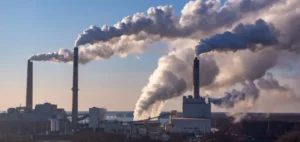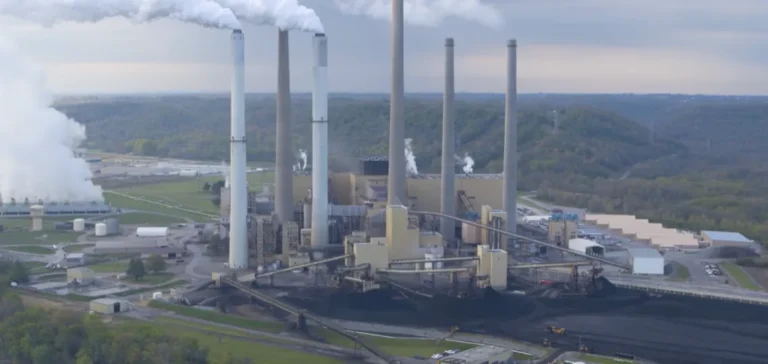

A report commissioned by several local organisations reveals that Kentucky’s continued reliance on outdated coal-fired power plants is no longer the least-cost option for providing electricity to households. According to the economic and energy analysis conducted through 2050, progressively replacing these plants with renewable energy sources, battery storage systems, and efficiency programmes would significantly reduce consumer spending.
Regulatory constraints hinder energy transition
The study highlights two recently adopted state laws — Senate Bill 4 (2023) and Senate Bill 349 (2024) — which make it harder to decommission coal units and restrict the development of new renewable capacity. According to the report’s authors, these measures block access to lower-cost energy solutions, further complicating the affordability of electricity. The report notes that the most economically viable option for the state excludes both the construction of new gas-fired plants and the extension of coal use.
Forecasting models indicate that shifting to a more modern energy mix could save $2.6bn on electricity bills by 2050. Including future compliance costs related to carbon regulations could raise these savings even further, according to the report’s projections.
Grid reliability and climate resilience at the core of concerns
The authors also stress the operational benefits of a more diverse power system. Periods of extreme heat or cold expose the vulnerabilities of older coal plants, while a grid supported by renewables and storage would enhance overall resilience. Modernising Kentucky’s energy infrastructure is presented as a direct means of preventing outages and securing supply.
The report suggests that achieving 95% clean energy by 2050 is feasible, provided Kentucky’s electric utilities begin shifting course immediately. This scenario would deliver an additional $1.6bn in savings compared to the current energy path, while ensuring supply stability aligned with the state’s industrial and residential demand.