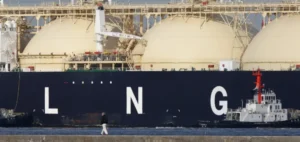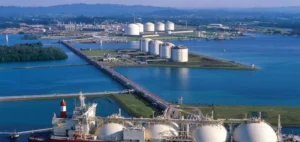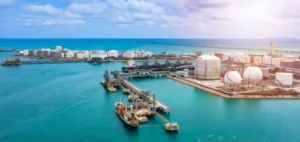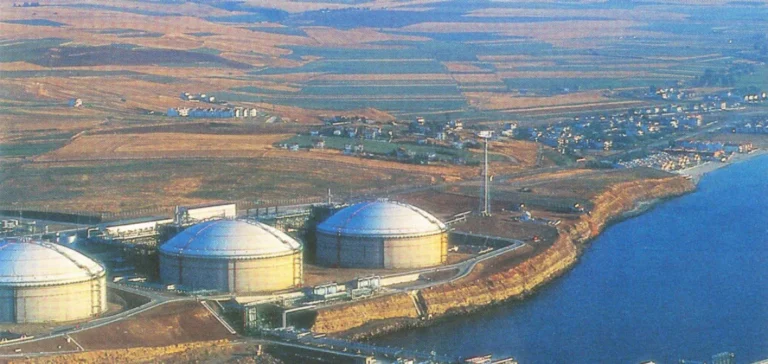

State-owned BOTAŞ Petroleum Pipeline Corporation has completed the expansion of its Marmara Ereğlisi terminal, located on the Sea of Marmara, raising its regasification capacity to 8.2 bcm per year. This project is part of a broader upgrade programme aimed at enhancing the strategic use of Turkish infrastructure in regional gas flows. The terminal, operational since 1994, is now one of five active LNG import points in Türkiye.
A technical project serving regional ambitions
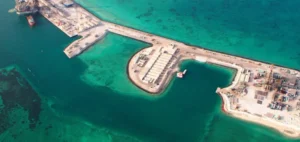
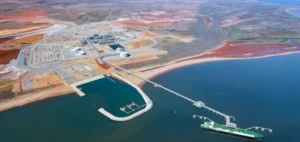
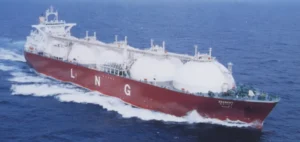
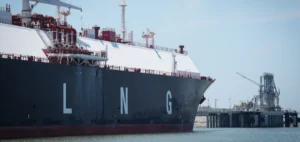
The expansion included the addition of new vaporisers, storage tanks and reinforced jetty infrastructure enabling simultaneous berthing of large LNG carriers. The site can now process more than 22 million cubic metres per day, according to figures released by national energy authorities. BOTAŞ stated that the upgrade also improves responsiveness during high winter demand periods.
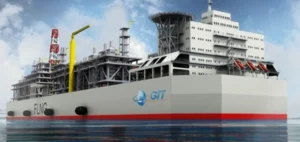
The modernisation of Marmara Ereğlisi occurs alongside investments in floating storage and regasification units (FSRUs) such as those at Saros and Dörtyol. The network, according to estimates from the Turkish Ministry of Energy, exceeds 58 bcm in annual regasification capacity, well above the country’s average domestic consumption.
Strategic tool for supply diversification
In 2024, the Marmara Ereğlisi terminal received more than 45 LNG cargoes from diverse suppliers, including Algeria, Qatar, the United States and Nigeria. Its direct connectivity with the national gas transmission network allows for rapid redistribution to industrial zones in Istanbul and Thrace, while also serving as a transit point toward Bulgaria and Greece via regional interconnections.
The upgraded infrastructure also supports Türkiye’s strategy to reduce dependency on long-term contracts with Russia and Iran, several of which are set to expire starting in 2025. The development of LNG terminals increases the share of flexible supplies in the national gas mix while maintaining regional export capacity.
Preparing for a changing regional market
From a regulatory standpoint, recent amendments to Türkiye’s natural gas legislation have facilitated third-party access to regasification terminals, enabling cross-border resale by private operators. The Marmara Ereğlisi terminal is now compliant with these requirements, and several reload tests have been conducted to reinforce its logistical hub role.
In the medium term, BOTAŞ plans to use this infrastructure to optimise its new LNG contracts, including those signed with Eni, Mercuria and Woodside. Cargoes initially intended for the domestic market may be redirected depending on European market needs. The development of a national gas price benchmark, the Turkey Gas Reference Index (TGREF), is another lever to establish this terminal as a regional pricing anchor.