Colombia: More LNG to be imported in September 2024 in the face of falling water levels

In September 2024, Colombia recorded a significant increase in LNG imports to supply its thermal power plants, in response to falling water levels in its dams.

Share:

Comprehensive energy news coverage, updated nonstop

Annual subscription

8.25$/month*

*billed annually at 99$/year for the first year then 149,00$/year ​

Unlimited access • Archives included • Professional invoice

OTHER ACCESS OPTIONS

Monthly subscription

Unlimited access • Archives included

5.2$/month*
then 14.90$ per month thereafter

FREE ACCOUNT

3 articles offered per month

FREE

*Prices are excluding VAT, which may vary depending on your location or professional status

Since 2021: 35,000 articles • 150+ analyses per week

In September 2024, Colombia’ s imports of liquefied natural gas (LNG) will grow considerably.
Available data show that around 150,000 metric tons of LNG have already been imported this month.
This increase, compared to the 120,000 metric tons imported in September 2023, is explained by the country’s need to compensate for its declining hydroelectric output. Indeed, water reserves in the dams used to generate electricity, which account on average for 70% of the energy produced, fell to 50.2% during the month, marking a historically low level.
Colombia, largely dependent on hydroelectricity, must therefore step up the use of its gas-fired power plants to maintain a balance in electricity supply.
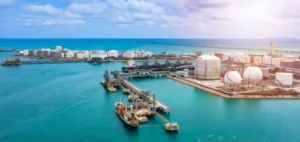
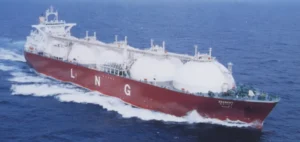
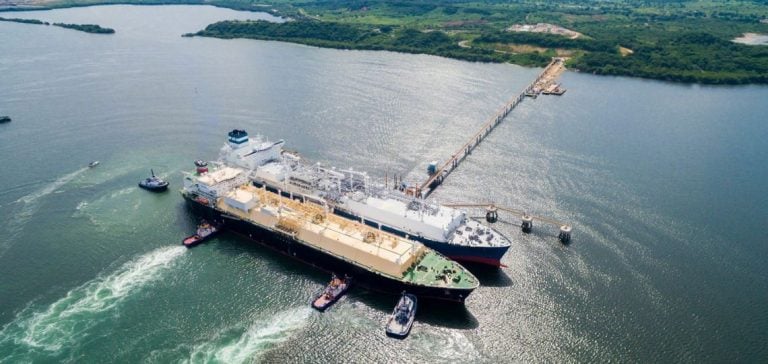
SPEC LNG’s Cartagena terminal is at the heart of this strategy, with the arrival of several tankers, including the Marvel Crane and BW Magnolia, carrying LNG cargoes crucial to maintaining power generation.

An LNG supply strategy in response to declining hydropower

Falling water levels in the reservoirs of Colombian dams are forcing the authorities to resort to LNG imports.
This raw material, which supplies three back-up thermal power plants in the country, is becoming an essential element in offsetting the drop in hydroelectric production.
Dependence on these imports is all the more acute as Colombia is going through a period of low domestic natural gas production, forcing the authorities to turn to the international market to secure supplies.
LNG cargoes delivered in September 2024 come from various export points, including the Cameron LNG terminal in Louisiana.
The increase in LNG purchases on the spot market demonstrates the desire of power grid operators to secure sufficient volumes to meet growing energy needs.
The end of the El Niño phenomenon in May 2024 failed to restore sufficient water levels in reservoirs, putting further pressure on the country’s energy grid.

Inventory and electrical demand management

LNG import decisions in Colombia are closely linked to electricity demand, which in turn is affected by weather conditions and industrial requirements.
The thermal power plants that consume LNG are mainly used as back-up during periods of low hydroelectric production, but the management of stocks and imports is highly strategic.
According to local sources, it is not uncommon for a tanker such as the Marvel Crane to unload its cargo in several stages to better adapt to the real-time needs of the power grid.
Monthly import volumes, which reached 100,000 metric tons in August 2024, show a gradual upturn in imports following the end of the El Niño phenomenon.
However, this dynamic remains subject to fluctuation, depending on the capacity of thermal power plants to take over from dams.
At the same time, weather forecasts and hydrological conditions are decisive factors in planning future LNG purchases.

Challenges and prospects for the future of energy

Supplying Colombia with LNG is not just a short-term response.
The country’s ability to diversify its energy sources, while ensuring continuous electricity production, remains a priority.
The increased use of thermal power plants clearly demonstrates the country’s dependence on LNG in a context of reduced hydroelectric production.
This situation raises questions about the sustainability of the country’s energy model, which must balance hydroelectricity, domestic natural gas and LNG imports.
Colombia’s energy sector faces major structural challenges.
The ability to adjust supply according to climatic fluctuations and domestic natural gas reserves remains a major challenge.
Market players are closely monitoring the evolution of LNG imports and their potential impact on energy production costs.
LNG’s role in Colombia’s energy strategy therefore looks set to grow in the short term, particularly in times of stress on other energy sources.

The Australian government will require up to 25% of gas extracted on the east coast to be reserved for the domestic market from 2027, in response to supply tensions and soaring prices.
Baker Hughes will deliver six gas refrigeration trains for Commonwealth LNG’s 9.5 mtpa export project in Louisiana, under a contract with Technip Energies.
Shanghai Electric begins a combined-cycle expansion project across four Iraqi provinces, aiming to boost energy efficiency by 50% without additional fuel consumption.
Zefiro Methane, through its subsidiary Plants & Goodwin, completes an energy conversion project in Pennsylvania and plans a new well decommissioning operation in Louisiana, expanding its presence to eight US states.
The Council of State has cancelled the authorisation to exploit coalbed methane in Lorraine, citing risks to the region's main aquifer and bringing an end to a legal battle that began over a decade ago.
Japanese power producer JERA will deliver up to 200,000 tonnes of liquefied natural gas annually to Hokkaido Gas starting in 2027 under a newly signed long-term sale agreement.
An agreement announced on December 17, 2025 provides for twenty years of deliveries through 2040. The package amounts to 112 billion new Israeli shekels (Israeli shekels) (NIS), with flows intended to support Egyptian gas supply and Israeli public revenues.
Abu Dhabi’s national oil company has secured a landmark structured financing to accelerate the development of the Hail and Ghasha gas project, while maintaining strategic control over its infrastructure.
U.S.-based Sawgrass LNG & Power celebrates eight consecutive years of LNG exports to The Bahamas, reinforcing its position in regional energy trade.
Kinder Morgan restored the EPNG pipeline capacity at Lordsburg on December 13, ending a constraint that had driven Waha prices negative. The move highlights the Permian’s fragile balance, operating near the limits of its gas evacuation infrastructure.
ENGIE activates key projects in Belgium, including an 875 MW gas-fired plant in Flémalle and a battery storage system in Vilvoorde, to strengthen electricity supply security and grid flexibility.
Hungary has signed a contract with US company Chevron to import 400mn m³ of LNG per year, while maintaining a structural dependence on Russian gas through a long-term agreement with Gazprom.
Chevron Australia awards Subsea7 a major contract for subsea installation on the Gorgon Stage 3 project, with offshore operations scheduled for 2028 at 1,350 metres depth.
Ovintiv has entered into an agreement with Pembina Pipeline Corporation to secure 0.5 million tonnes per annum of LNG liquefaction capacity over 12 years, strengthening its export outlook to Asian markets.
TotalEnergies has completed the sale of a minority stake in a Malaysian offshore gas block to PTTEP, while retaining its operator role and a majority share.
The European Union will apply its methane emissions rules more flexibly to secure liquefied natural gas supplies from 2027.
Venezuela has ended all energy cooperation with Trinidad and Tobago after the seizure of an oil tanker carrying crude by the United States, accusing the archipelago of participating in the military operation in the Caribbean.
National Fuel has secured $350mn in a private placement of common stock with accredited investors to support the acquisition of CenterPoint’s regulated gas business in Ohio.
GTT appoints François Michel as CEO starting January 5, separating governance roles after strong revenue and profit growth in 2024.
The United States is requesting a derogation from EU methane rules, citing the Union’s energy security needs and the technical limits of its liquefied natural gas export model.

All the latest energy news, all the time

Annual subscription

8.25$/month*

*billed annually at 99$/year for the first year then 149,00$/year ​

Unlimited access - Archives included - Pro invoice

Monthly subscription

Unlimited access • Archives included

5.2$/month*
then 14.90$ per month thereafter

*Prices shown are exclusive of VAT, which may vary according to your location or professional status.

Since 2021: 30,000 articles - +150 analyses/week.