Vietnam and Russia Sign Intergovernmental Agreement to Build Two Nuclear Plants
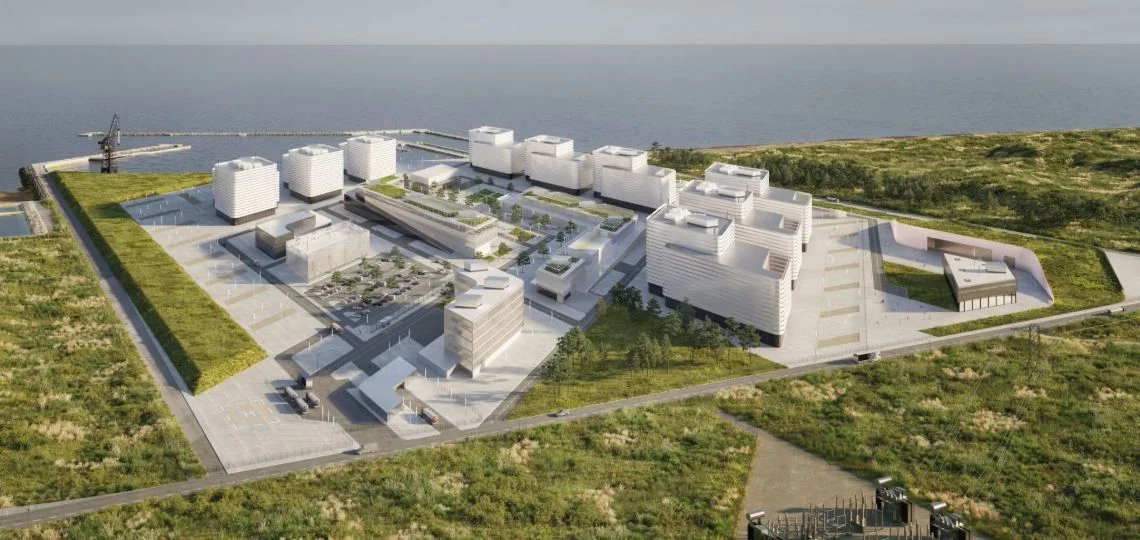
Vietnam and Russia have signed an intergovernmental agreement covering the construction of a nuclear power plant in Ninh Thuan province. Rosatom sees it as the foundation of a long-term industrial partnership.

| Countries | Vietnam, Russie |
|---|---|
| Companies | Rosatom |
| Sector | Énergie Nucléaire, Fission |
| Theme | Développement de projets, Annonce |
Vietnam and Russia signed an intergovernmental agreement on Monday covering the construction of a nuclear power plant in Vietnam. The signing took place during Prime Minister Pham Minh Chinh's official visit to Moscow, in the presence of his Russian counterpart Mikhail Mishustin. The agreement was signed by Alexey Likhachev, Director General of Rosatom, and Tran Van Son, Minister and Head of the Office of the Government of the Socialist Republic of Vietnam.
A Legal Framework Shaping Bilateral Nuclear Cooperation
According to Rosatom, the document "regulates the conditions and key areas of cooperation between the parties in implementing the project for the construction of the nuclear power plant." The Leningrad NPP-2 (power units No. 1 and No. 2) was selected as the reference project. The Russian group states that the agreement "establishes the necessary legal framework for the construction of the plant and will shape the direction of Russian-Vietnamese cooperation in the nuclear field for decades to come." Mikhail Mishustin noted that "creation of the nuclear plant will give a strong impetus to development of cooperation in adjacent areas — high technologies, fundamental and applied research." This agreement is part of a broader international dynamic: the global nuclear industry awaits decisive milestones in 2026, from Rooppur to Onkalo.
For Alexey Likhachev, the agreement is not "merely an agreement to build two nuclear power units," but rather "the foundation for a long-term industrial partnership that will strengthen Vietnam's energy independence and open up new opportunities for economic growth."
A Project Revived After a Decade-Long Suspension
The Vietnamese government approved a first project in the central province of Ninh Thuan in 2009, featuring Russian-designed VVER-1200 pressurized water reactors. Construction was suspended in 2016 for "economic conditions" reasons, despite significant preparatory work including the relocation of two villages and infrastructure upgrades.
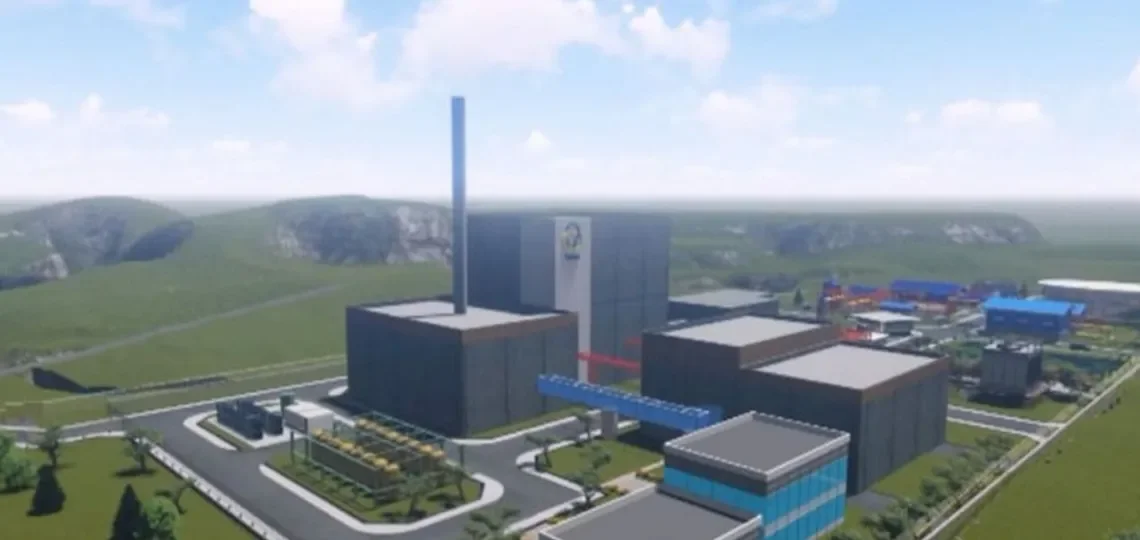
Vietnam's National Assembly approved the restart of the Ninh Thuan nuclear project in November 2024, at its 8th working session. The project comprises two plants, each containing two reactors. The Ninh Thuan 1 plant is located in Phuoc Dinh commune, Thuan Nam district; the Ninh Thuan 2 plant is in Vinh Hai commune, Ninh Hai district.
A Target of Completion by End of 2030
In February 2025, Vietnam's prime minister set a target to complete the construction of the two Ninh Thuan plants by the end of 2030. The government cites energy security imperatives, economic development goals, and net zero objectives. Vietnam had also been exploring the possibilities offered by small modular reactors (SMRs).
Russian-Vietnamese nuclear cooperation rests on existing technological ties, including a planned Centre for Nuclear Science and Technology featuring a Russian-designed research reactor. The existing Dalat research reactor uses Russian-supplied fuel and provides Vietnam with medical isotopes. The International Atomic Energy Agency (IAEA) is also evaluating other countries' progress toward nuclear programs, reflecting the global momentum around civilian nuclear power.