Transgrid to mobilise up to 5 GW of batteries to stabilise New South Wales grid
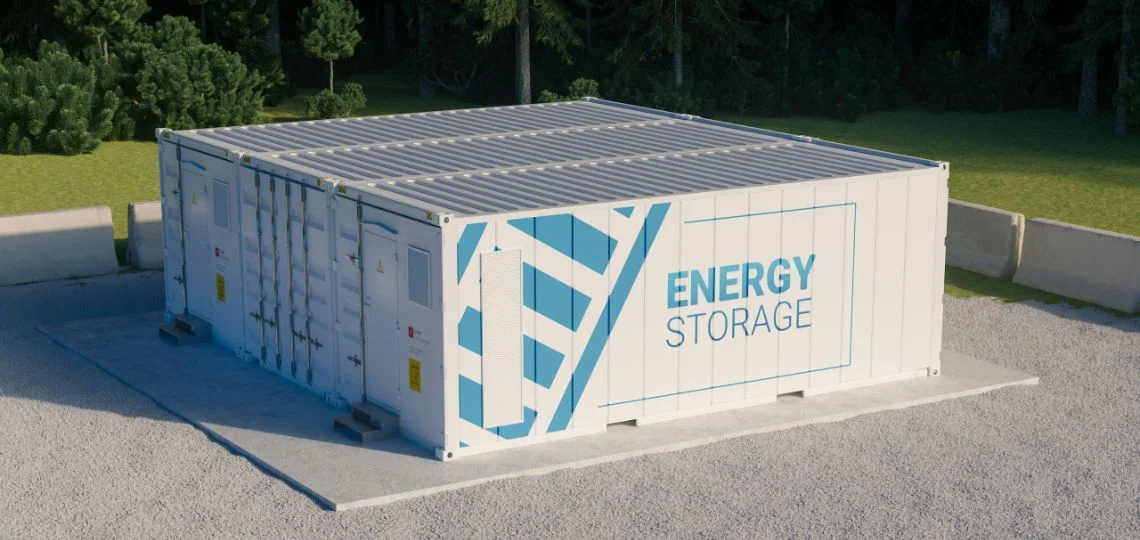
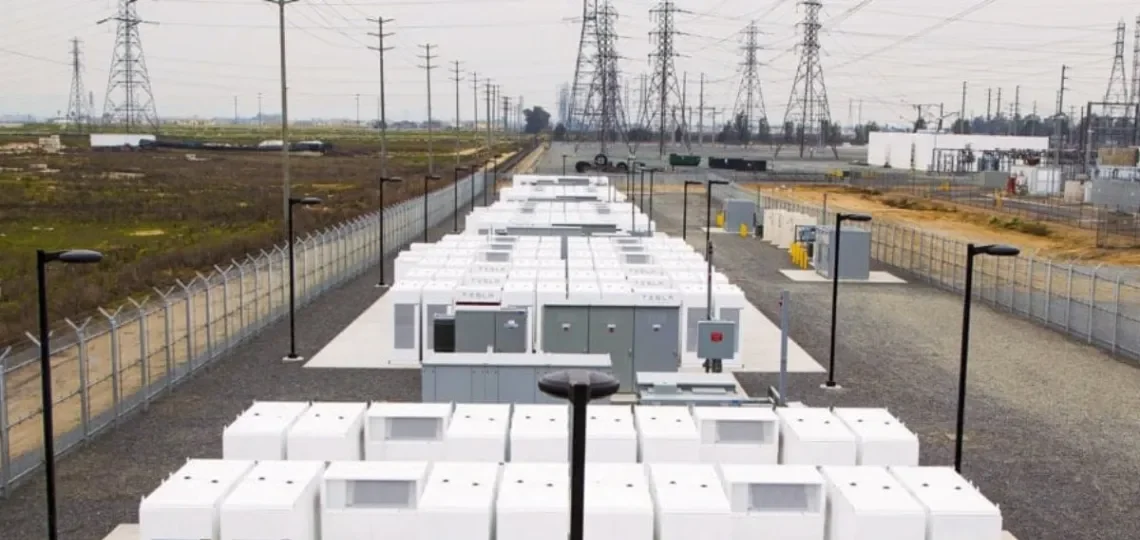
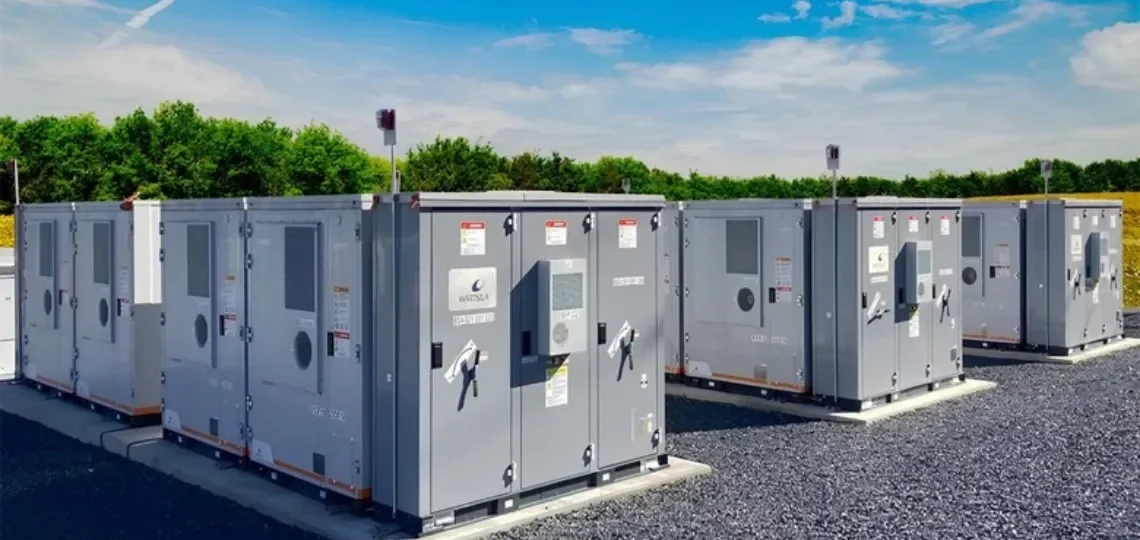
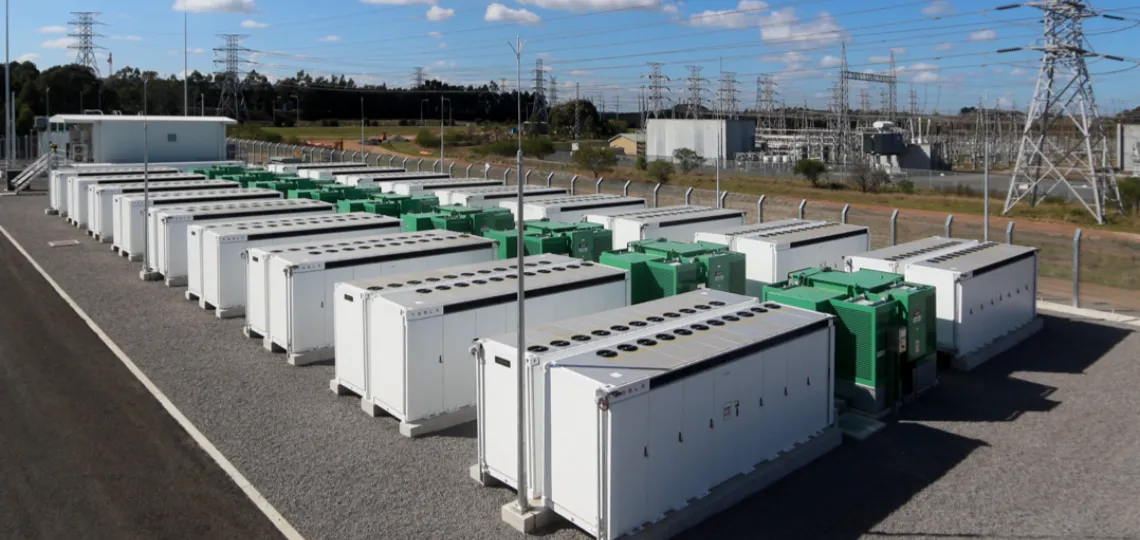
Transgrid plans to contract up to 5 GW of grid-forming batteries to strengthen the stability of New South Wales’ electricity network during the energy transition.
| Sectors | Energy Storage, Batteries |
|---|---|
| Themes | Project Finance, Investments & Transactions |
| Countries | Australia |
Transgrid, the electricity transmission network operator in New South Wales, is preparing a series of contracts with large-scale battery owners to reinforce grid stability as coal-fired generation phases out. The operator expects these grid-forming batteries to account for up to 50% of its system strength portfolio.
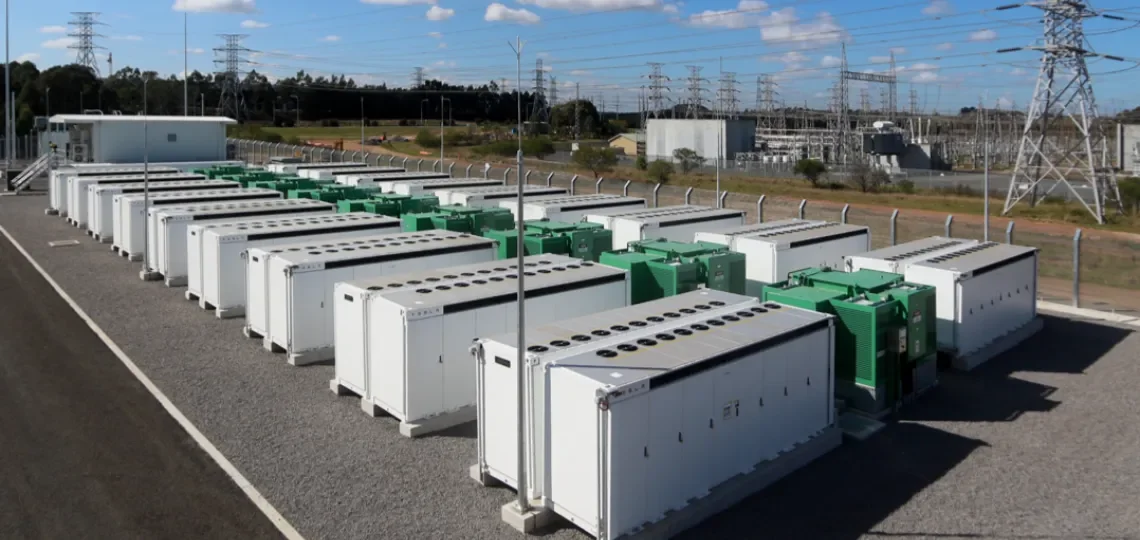
Large-scale batteries configured in grid-forming mode are capable of responding instantly to grid disturbances such as generator outages or sudden weather events. Unlike traditional solutions, these devices offer a rapid response without requiring heavy investment in new physical infrastructure.
A key role in the evolving energy mix
Transgrid Executive General Manager of Network, Jason Krstanoski, stated that the batteries would complement the synchronous condensers currently used to support the grid. Their integration will allow the electricity system to operate with up to 100% instantaneous renewable energy without compromising stability.
The initial call for proposals, expected in the second half of 2026, will target around 1 GW of stabilisation capacity. Transgrid ultimately plans to reach a total of 5 GW, distributed across several competitive procurement rounds. This initiative forms part of a broader strategy to enhance network reliability while reducing reliance on conventional thermal power plants.
Positive market response
According to Transgrid, over 7.5 GW of battery capacity expressed interest during the development of the system strength plan. The ongoing technical assessment will define the volume of capacity included in the first procurement phase.
Selected batteries will then be registered with the Australian Energy Market Operator (AEMO) to ensure their activation in the energy market dispatch process in 2026. At full capacity, the 5 GW of grid-forming batteries will provide the same stabilising support as 17 synchronous condensers for integrating new renewable generation.
A strategy focused on economic efficiency
Transgrid emphasises that this solution does not require the operator to purchase or install the batteries directly, thereby reducing capital expenditure. Services will be delivered by private operators, avoiding significant expansion of the grid infrastructure.
Next steps include finalising the technical analysis, publishing the calls for proposals, and gradually contracting capacity from 2026 onwards. This mechanism will secure the development of renewable energy while maintaining the integrity of the state’s electricity system.