Tengiz: Fire Paralyzes Kazakh Oil Giant and Threatens CPC Exports
A fire at a power station caused production to halt at the Tengiz field, one of the world’s largest oil deposits. Five export cargoes have already been cancelled.
| Sectors | Oil |
|---|---|
| Themes | Risks & Events |
| Companies | Chevron, ExxonMobil, Lukoil |
| Countries | Germany, Kazakhstan, Russia |
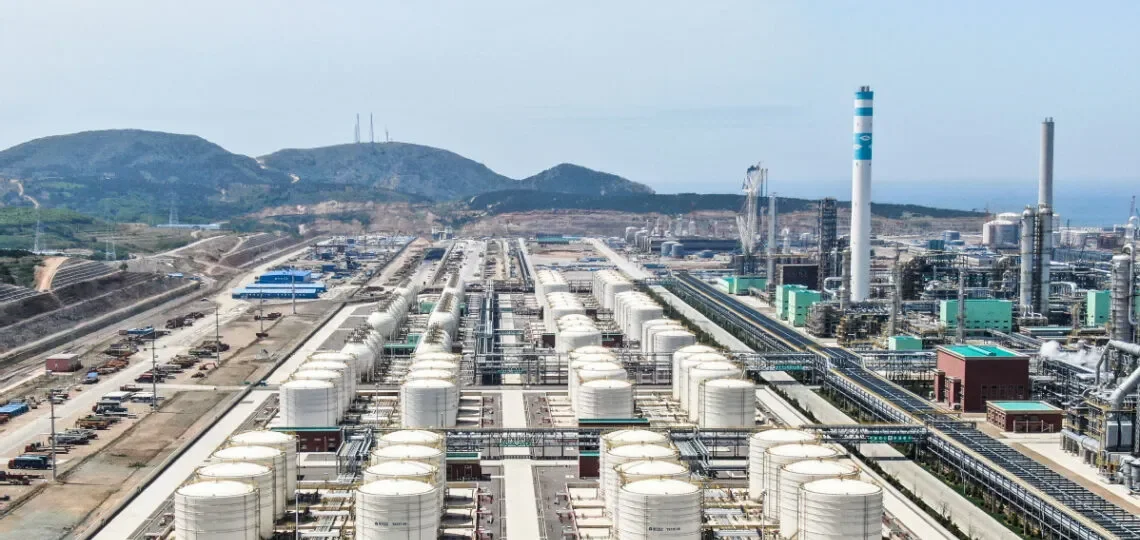
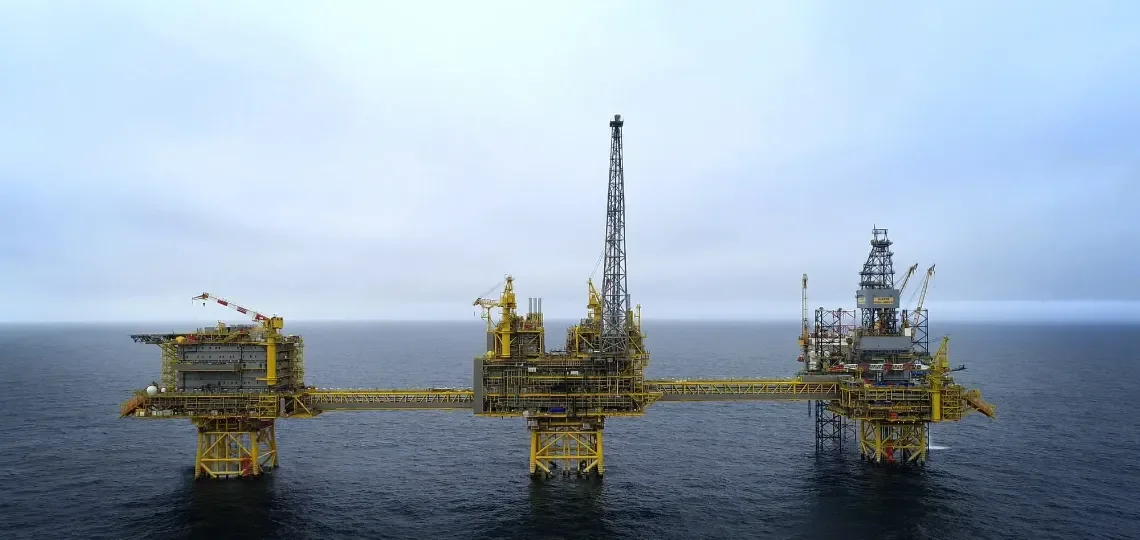
Oil production at Kazakhstan’s Tengiz field has remained shut since January 19 following a fire that broke out the previous day at the site’s GTES-4 power station. According to three industry sources cited by Reuters, this disruption could last another 7 to 10 days, potentially extending into February. Operator Tengizchevroil (TCO) confirmed the temporary shutdown of operations at the Tengiz and Korolevskoye fields, citing power supply problems.
Five Export Cargoes Cancelled
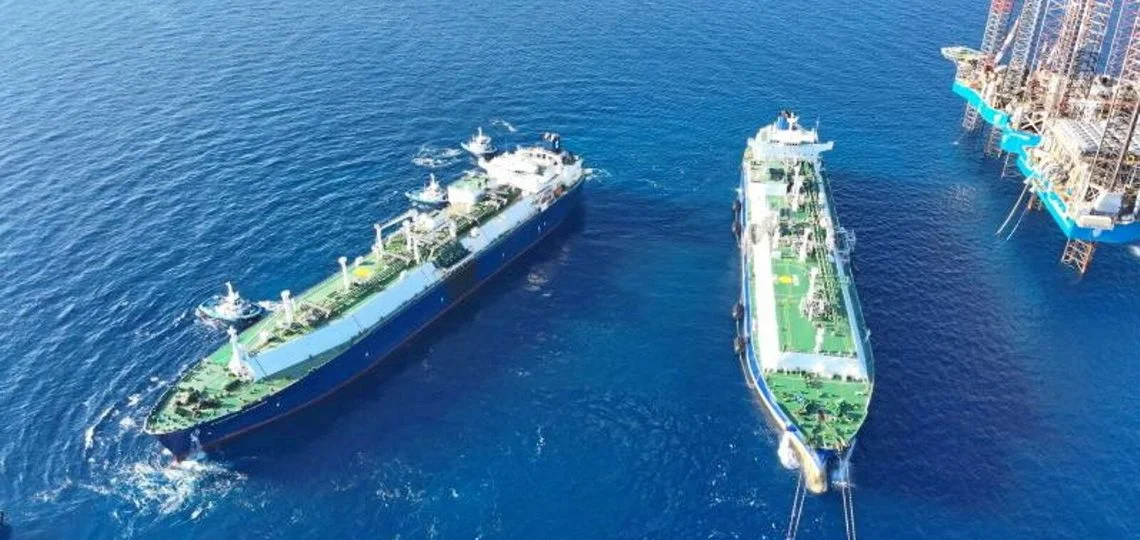
The fire affected two turbine transformers, according to KazMunayGas, Kazakhstan’s national oil company. TCO has already cancelled five CPC Blend crude cargoes scheduled for January and February, totaling between 600,000 and 700,000 metric tons, according to sources. These volumes were to be shipped from the Caspian Pipeline Consortium’s (CPC) Black Sea terminal. Chevron, TCO’s majority shareholder with 50%, did not respond to requests for comment.
TCO stated the shutdown was a precautionary measure, without detailing the fire’s causes or providing a restart date. ExxonMobil holds 25% of the project, KazMunayGas 20%, and Lukoil 5%. The Tengiz field ranks among the world’s largest oil deposits.
Other Producers Partially Compensate
The production drop at Tengiz has not yet affected Kazakhstan’s overall extraction level, according to a source familiar with the data. Other producers have increased their output to compensate. The Kashagan field raised its average daily production by 28% to 197,000 barrels over January 1-19, compared to the first 12 days of the month. Karachaganak recorded a 21% increase to 156,000 barrels per day.
Tengiz production had risen 6% to 360,000 barrels per day before the incident. Kazakhstan’s crude production had nevertheless fallen 35% during the first 12 days of January compared to December, due to restrictions on CPC exports. Operators of Kashagan and Karachaganak did not respond to inquiries.
Persistent Tensions on Export Infrastructure
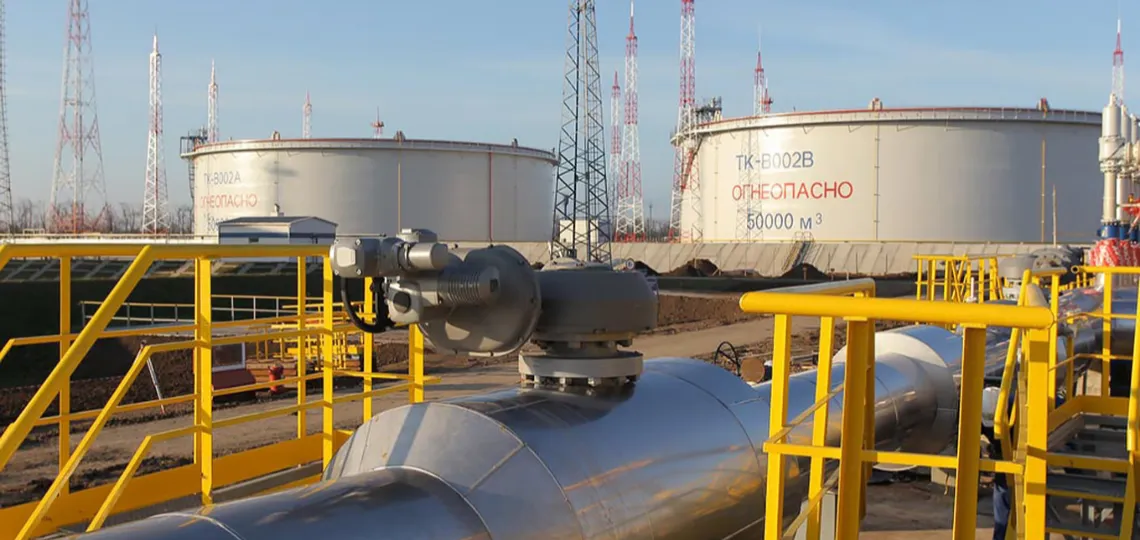
Kazakhstan ships most of its oil via the CPC. However, damage to infrastructure at the Yuzhnaya Ozereyevka marine terminal is forcing some volumes to be redirected to the Baku-Tbilisi-Ceyhan (BTC) pipeline and to Germany via the Druzhba pipeline. According to a source, CPC could reduce throughput in the coming days if the Tengiz shutdown continues, despite compensation efforts from other fields.