Strait of Hormuz: Paris Deploys Bpifrance Loans to Support the French Fishing Sector
As fuel prices have surged since February 28 due to the Middle East crisis and tensions at the Strait of Hormuz, the French government is deploying emergency measures to protect fishing companies' cash flow.
| Countries | France |
|---|---|
| Sector | Pétrole, Gazole |
| Theme | Politique & Géopolitique, Sécurité énergétique |
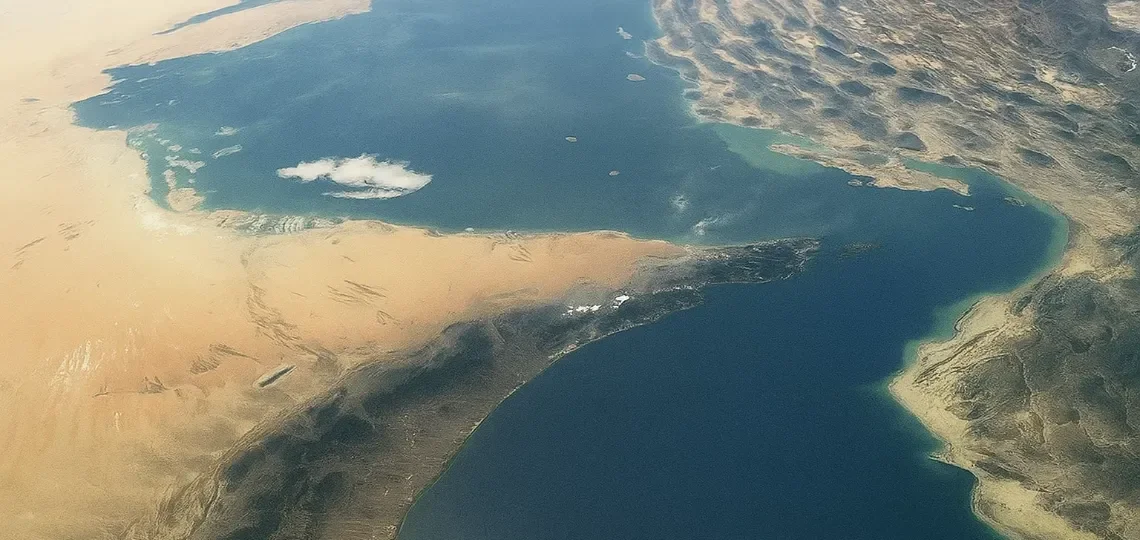
The Middle East crisis has disrupted oil markets since February 28, triggering a sharp and rapid rise in global crude prices and their derivatives. The Strait of Hormuz, through which approximately 20% of global oil transits, remains at the center of geopolitical tensions. Against a backdrop of persistent price instability, underscored by strikes on Iran that pushed oil to $83 per barrel, the French government announced a series of emergency measures to support the fishing sector, directly exposed to this energy shock. Prices have remained volatile for three weeks, according to authorities, with the duration of the crisis still uncertain.
A sector under severe financial pressure
Fuel represents a significant share of operating costs for fishing vessels. The rise in diesel prices directly impacts vessel profitability, as well as the entire downstream supply chain: fish auctions, fish merchants, and distributors. In a context where global oil markets are experiencing sharp fluctuations, financial planning for sector professionals has become particularly challenging. Catherine Chabaud, Junior Minister for the Sea and Fisheries, held multiple meetings with sector representatives in recent weeks. On March 13, she co-organized with Maud Bregeon, Junior Minister for Energy, an interministerial meeting bringing together fishing sector representatives, banking institutions, and energy companies.
Immediate measures to ease cash flow pressures
The government introduced daily diesel price monitoring from the onset of the crisis. Three support mechanisms were announced to ease cash flow for fishing companies. Social contributions may be deferred without penalties or surcharges upon request to URSSAF (the French social security contribution collection agency). Companies may also request deferral of tax deadlines with their local public finance directorates, and access treasury loans guaranteed by Bpifrance.
Discussions are also underway with market participants to activate fiscal incentives introduced in 2024, enabling a price reduction at the pump. The government has opened dialogue with the banking sector to encourage flexibility in handling individual business cases facing cash flow difficulties. Catherine Chabaud also called on consumers and major retailers to favor French seafood products.
Structural perspectives to reduce dependence on fossil fuels
Over the medium and long term, the government intends to draw structural lessons from this crisis to reduce the fleet's dependence on imported fossil fuels. A review of existing energy savings certificate (CEE) schemes in favor of the fishing sector will be conducted to financially support vessels in improving energy efficiency. An insurance mechanism, provided for in the strategic sector contract signed in 2025, will be implemented to protect the sector against future energy crises.
Decarbonization work on the French fishing fleet will continue at both national and European levels, in coordination with the European Commission to remove regulatory barriers to fleet renewal. "Our fishermen are facing an exceptional situation, on top of many other difficulties. The entire Government is mobilized to provide immediate responses, but also to build a more resilient sector, less dependent on fossil fuels. This concerns everyone: fishing professionals of course, but also banks, energy companies, and consumers," declared Catherine Chabaud.