Shell halts its biofuels plant in Rotterdam amid strategic trade-off
Shell ends construction of its biofuels plant in the Netherlands, citing low competitiveness, while reinforcing its oil activities, raising questions over its previous energy commitments.
| Sectors | Alternative Fuels, Biofuels |
|---|---|
| Themes | Industry & Execution, Innovation & Transformation, Corporate Strategy |
| Companies | Shell |
| Countries | United Kingdom, Netherlands |
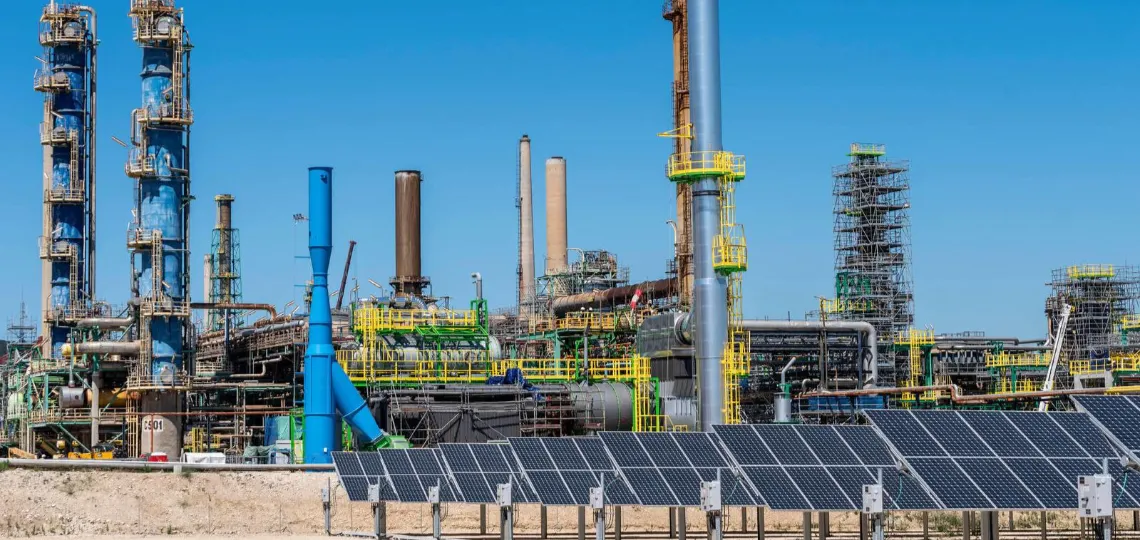
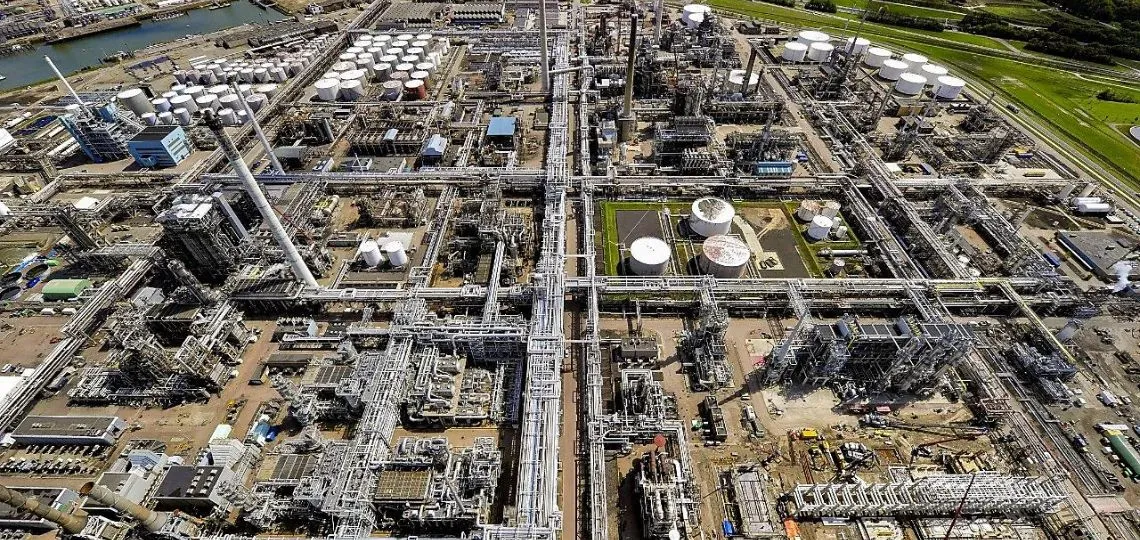
British group Shell has announced the definitive cancellation of its biofuels plant project in Rotterdam, which began construction in 2022. The company stated that completing the site no longer offered the necessary competitive conditions, following an internal reassessment of costs and market outlook.
A trade-off between profitability and industrial commitment
The President of Shell’s “Downstream, Renewables and Energy Solutions” division, Machteld de Haan, said that investments must meet “the expectations of customers and shareholders,” highlighting a portfolio optimisation strategy. Construction had already been suspended in July 2024. The plant was expected to become one of the largest biofuels facilities in Europe, with an annual capacity of 820,000 tonnes.
SAF, an emerging but fragile market
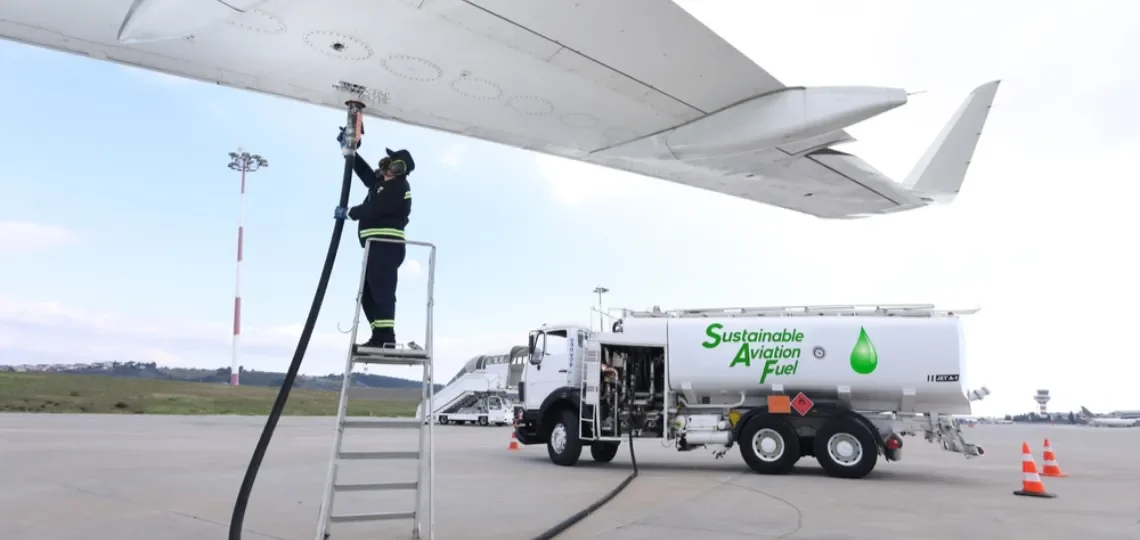
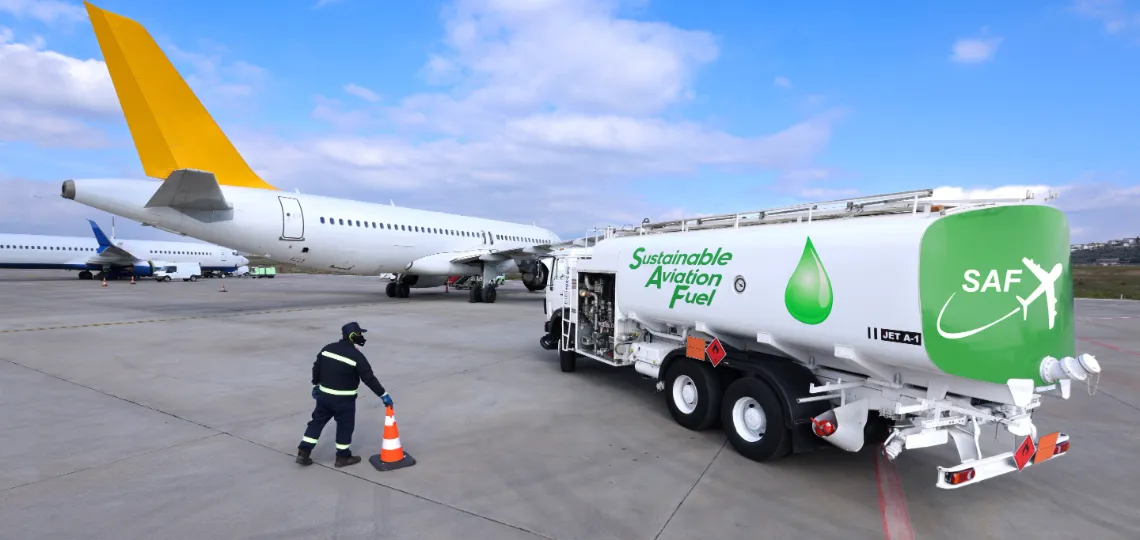
Among the planned outputs was Sustainable Aviation Fuel (SAF), produced from used oils, algae or wood residues. This fuel can be blended up to 50% with kerosene in existing aircraft. Despite growing interest from the aviation sector, industrial production of SAF remains limited and its high cost continues to hinder adoption. Its commercial viability has not yet reached balance against conventional fossil fuel supply chains.
Capital allocation strategy under pressure
Shell had already announced in December the termination of new offshore wind projects. These successive decisions form part of a reorientation towards hydrocarbons, perceived as more profitable in the short term. While aligned with shareholder interests, this strategy comes as the group had previously communicated on a gradual shift towards alternative energies.
Industrial choices raising contradictions
The decision to abandon a project already advanced raises questions over the coherence of Shell’s energy commitments. The group continues to express interest in low-carbon molecules, while simultaneously cutting investments in this field. This refocusing highlights the internal trade-offs between profitability requirements and positioning in emerging energy markets.