RWE registers Australia’s first eight-hour grid battery system

The 400 MWh energy storage system installed by RWE in Limondale becomes the longest-duration grid-connected battery in Australia, with full commissioning expected by the end of the year.
Share:

Comprehensive energy news coverage, updated nonstop

Annual subscription

8.25€/month*

*billed annually at 99€/year for the first year then 149,00€/year ​

Unlimited access • Archives included • Professional invoice

OTHER ACCESS OPTIONS

Monthly subscription

Unlimited access • Archives included

5.2€/month*
then 14.90€ per month thereafter

FREE ACCOUNT

3 articles offered per month

FREE

*Prices are excluding VAT, which may vary depending on your location or professional status

Since 2021: 35,000 articles • 150+ analyses per week

RWE Renewables Australia has registered the first eight-hour Battery Energy Storage System (BESS) with the Australian Energy Market Operator (AEMO), marking a critical step forward for long-duration storage on the Australian energy market.

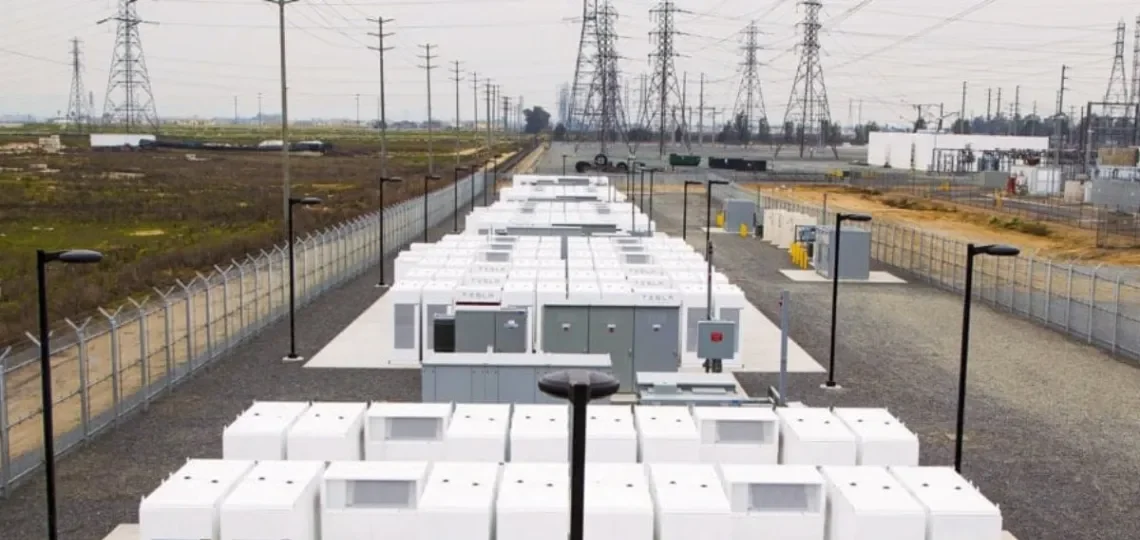
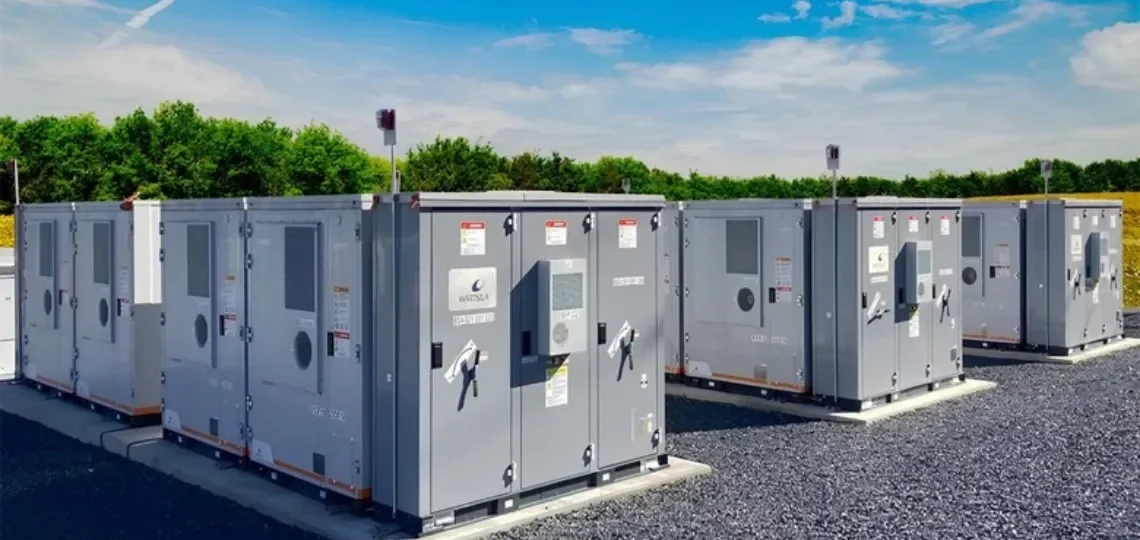
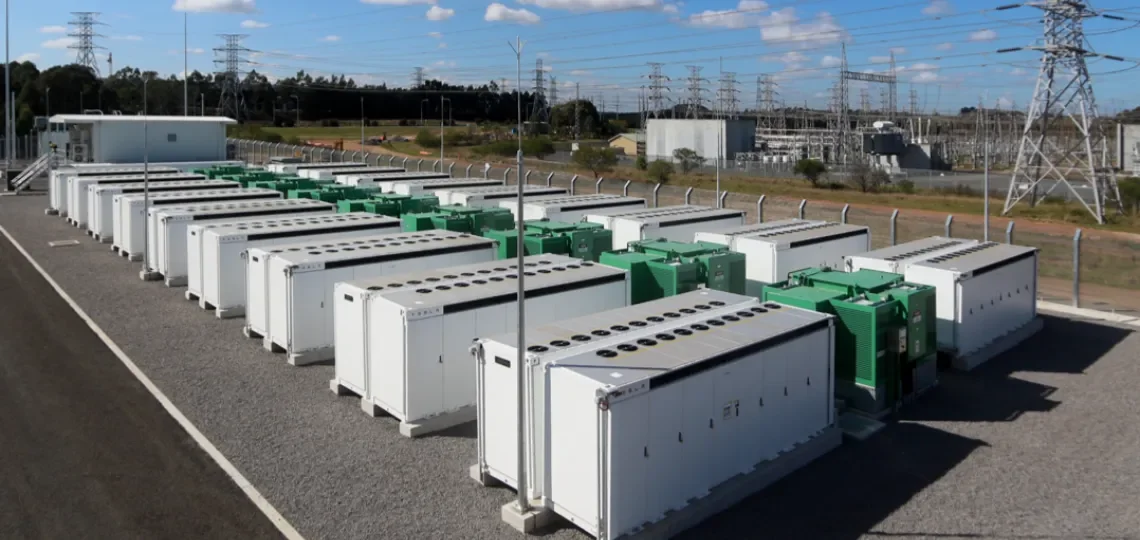
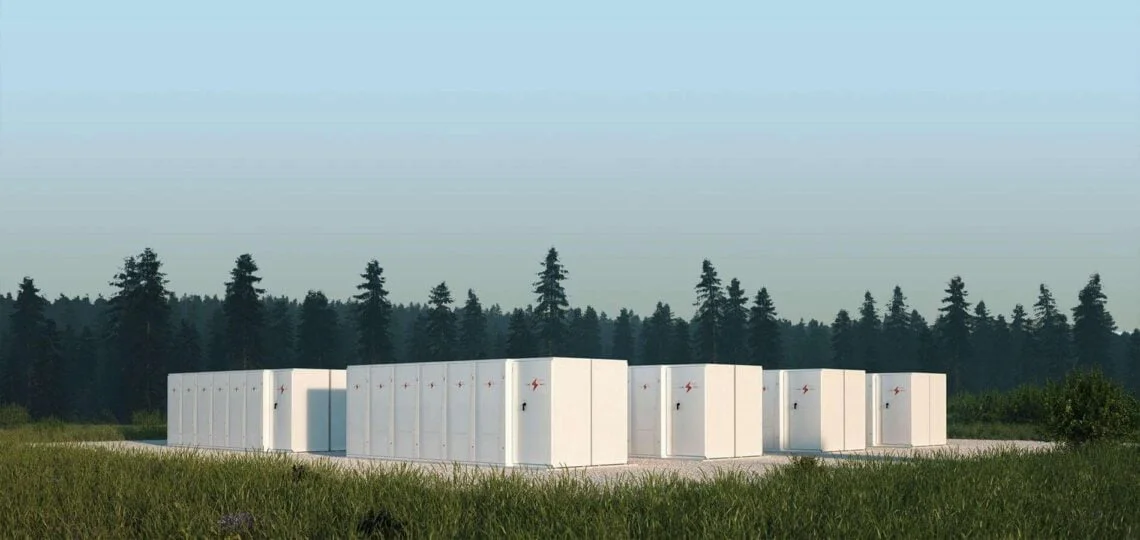
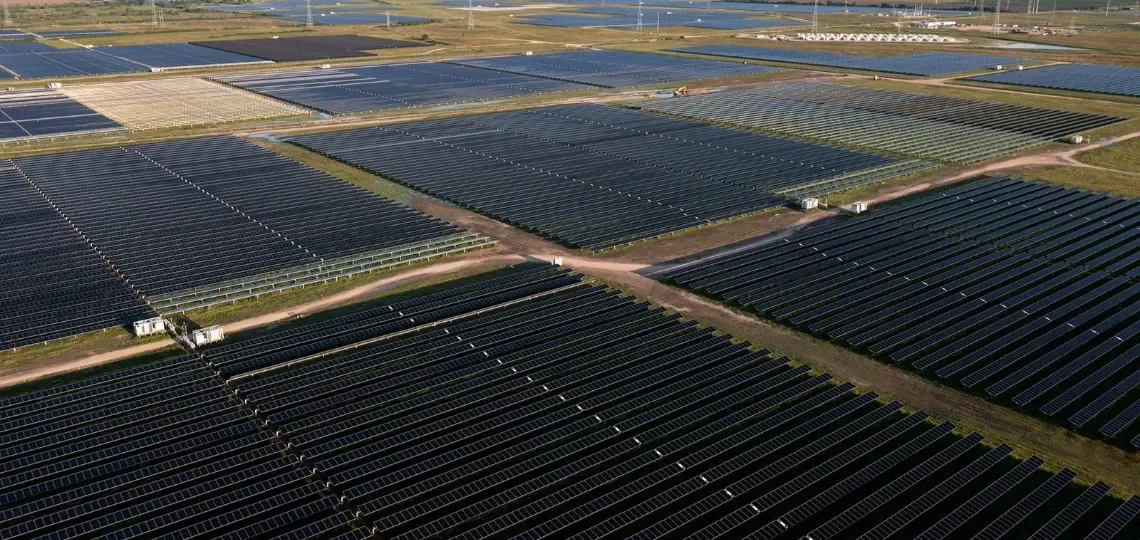
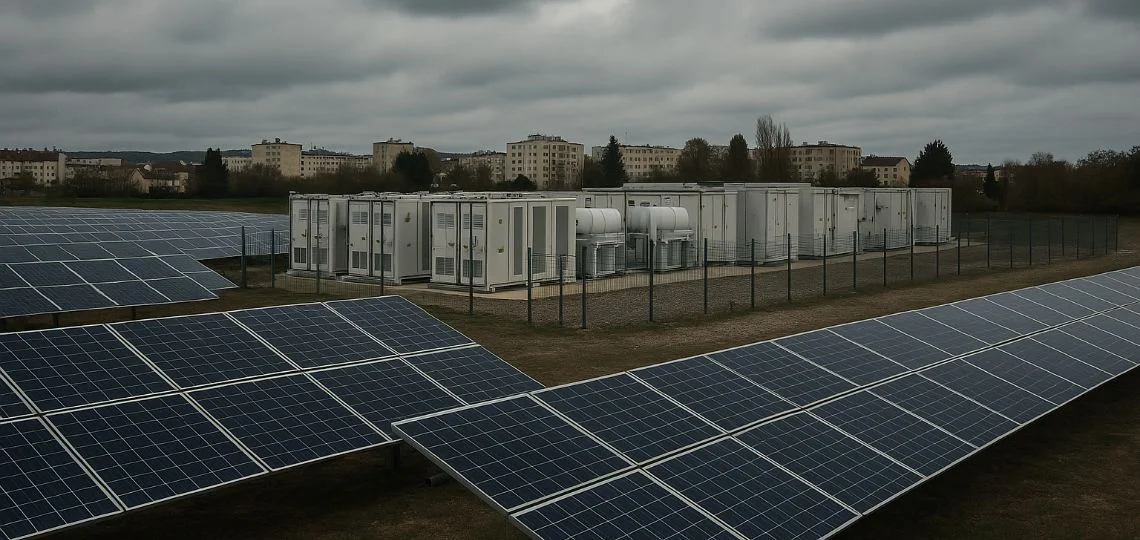
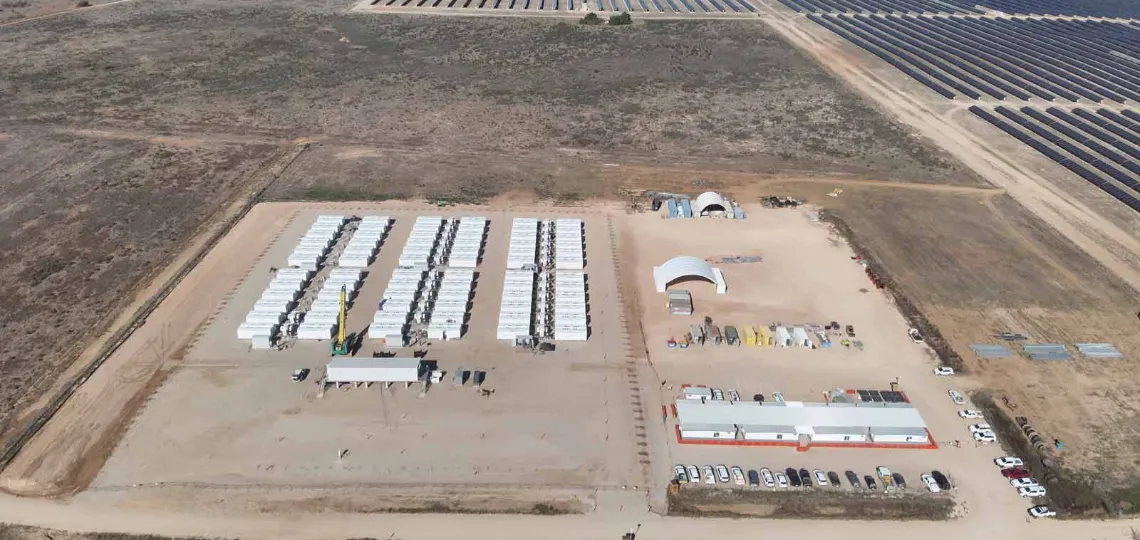
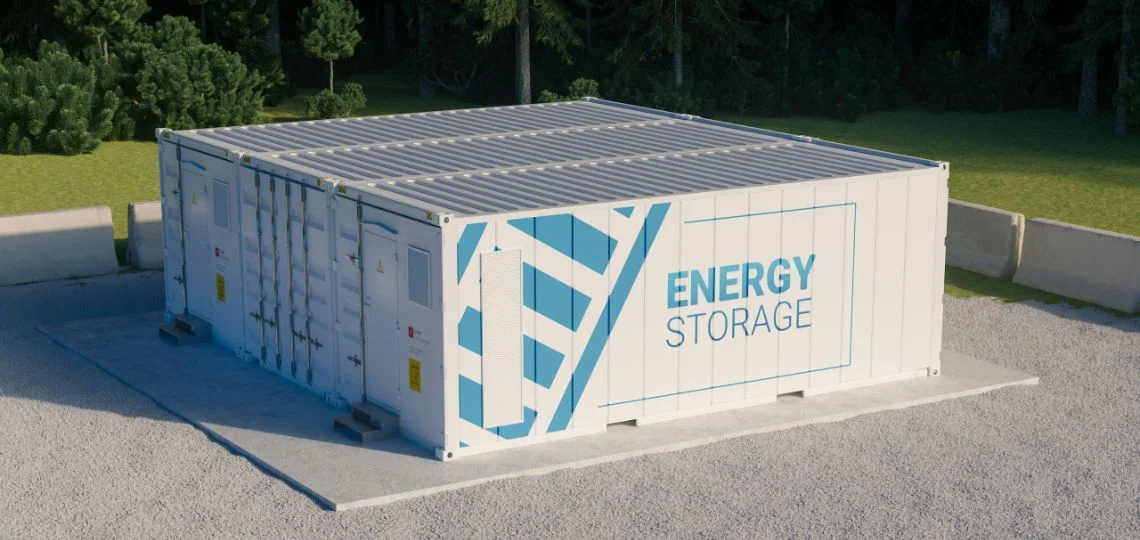
Located near the Limondale Solar Farm in New South Wales, the battery system is built on 144 Tesla Megapacks. It has a capacity of over 50 megawatts (MW) and 400 megawatt-hours (MWh), making it the longest-duration battery currently operating on Australia’s grid.

Testing phase prior to full commissioning

The system now enters the hold point testing phase, a required step before final approval. Full commissioning is scheduled before the end of the year, according to the company’s timeline. The project marks the end of construction and the transition to operational testing, which is mandatory before commercial operation can begin.

Limondale BESS is the first project to receive a Long-Term Energy Service Agreement (LTESA) under New South Wales’ Long Duration Storage tender. The mechanism aims to support renewable energy integration by securing revenue for projects critical to grid stability.

A pilot project with structural ambitions

Once operational, the facility will store excess solar energy produced during the day and discharge it during peak demand periods. This type of infrastructure enables optimised use of variable power sources while relieving pressure on the grid during high-consumption hours.

The eight-hour configuration distinguishes itself from typical Australian battery systems, which are often limited to two or four hours. It sets a precedent for a different investment model focused on meeting the national grid’s increasing flexibility needs.

Technical and industrial collaboration

Project delivery involved several industrial partners, including Tesla for storage equipment, Beon for electrical works, Lumea for grid connection, and TransGrid for transmission infrastructure. RWE Renewables Australia coordinated the overall technical and operational development.
Three New York public high schools are introducing a new energy storage module this year, through a partnership between NineDot Energy and Solar One aimed at preparing students for careers in distributed energy.
Nuvve Holding Corp. plans three 2MW battery installations in Eastern Zealand to strengthen the Danish grid and optimise revenues through its proprietary software platform.
HS Hyosung partners with Umicore to produce silicon anodes, a key material for next-generation batteries, through a €120 mn investment to strengthen its position in energy storage.
LG Energy Solution partners with South 8 Technologies to develop lithium-ion batteries capable of operating at -60 °C, strengthening its position in the space sector alongside KULR Technology Group and NASA.
Masdar commits to developing a 300MW/600MWh battery storage system in Uzbekistan, marking a major step in modernising the national grid and securing investments in renewable energy.
Jabil and Inno will co-develop a 15,000 sqm plant in Rayong, Thailand, to manufacture metal enclosures for battery energy storage systems, aiming to enhance vertical integration and secure supply chains.
Adani Group launches a 1126 MW project in Khavda, marking its first entry into energy storage, with one of the largest BESS systems ever built at a single site.
Kuwait is preparing a battery storage project with a capacity of up to 6 GWh to stabilise its power grid and address rising electricity demand.
Quino Energy secures $16mn in funding to scale global production of its organic electrolytes, with strategic support from investor Atri Energy Transition.
China's Envision Energy will supply a 680MW battery storage system to UK-based Statera Energy as part of the Carrington project, one of the largest in the country to reach financial close.
Girasol Energy begins grid-scale battery aggregation with two facilities totalling 4MW in Japan, marking a strategic expansion into balancing markets.
Driven by the recovery in the raw materials market, CBAK Energy posted a sharp rise in revenue in the third quarter, while its battery business enters a complex industrial transition.
Daiwa Energy & Infrastructure, Fuyo General Lease and Astmax have commissioned a 50MW/100MWh battery storage station in Sapporo, marking their entry into Japan’s large-scale energy storage market.
Sonnedix has started construction on a 125MWh battery storage system at its 30MWAC Oita solar site, with commercial operation planned for November 2026 and a JPY21.4bn ($142mn) financing secured.
Tamagawa Energy has completed the acquisition of a 2MW/8MWh battery site in Kagoshima for JPY690mn ($4.57mn), marking its entry into grid-scale storage.
Tokyo Asset Solution invests in two storage projects, including a standalone site in the Japanese capital, marking its entry into the large-scale sector with national and international partners.
LEAG Clean Power and Fluence Energy will build a 4 GWh battery energy storage system in Germany, marking a major step in the industrialisation of storage capacity at a European scale.
Plus Power secured $160mn in tax equity investments from Morgan Stanley to fund two battery storage facilities in Massachusetts and Maine, the largest ever developed in New England.
Chinese manufacturer Pylontech strengthens its international investment strategy by launching a local entity in Australia to accelerate the deployment of its energy storage solutions.
Chinese supplier HiTHIUM enters the Israeli market with a strategic agreement to deploy 1.5GWh of long-duration energy storage alongside El-Mor Renewable Energy.

All the latest energy news, all the time

Annual subscription

8.25€/month*

*billed annually at 99€/year for the first year then 149,00€/year ​

Unlimited access - Archives included - Pro invoice

Monthly subscription

Unlimited access • Archives included

5.2€/month*
then 14.90€ per month thereafter

*Prices shown are exclusive of VAT, which may vary according to your location or professional status.

Since 2021: 30,000 articles - +150 analyses/week.