Renewable energies strengthen their dominance over global electricity costs in 2024
The latest report from the International Renewable Energy Agency confirms the cost superiority of renewables, but highlights persistent challenges for grid integration and access to financing in emerging markets.

| Sectors | Energy Storage, Solar Energy, Wind Energy, Onshore, Photovoltaic, Batteries |
|---|---|
| Themes | Markets & Finance, Sector Analysis |
| Countries | United Arab Emirates, China, United States |
Renewable energies maintained a significant competitive advantage over fossil fuels in the global electricity markets in 2024, according to the annual report of the International Renewable Energy Agency (IRENA). This lead is explained by the combination of technological innovation, efficient supply chains and increasingly pronounced economies of scale.
Significant cost gaps with fossil fuels
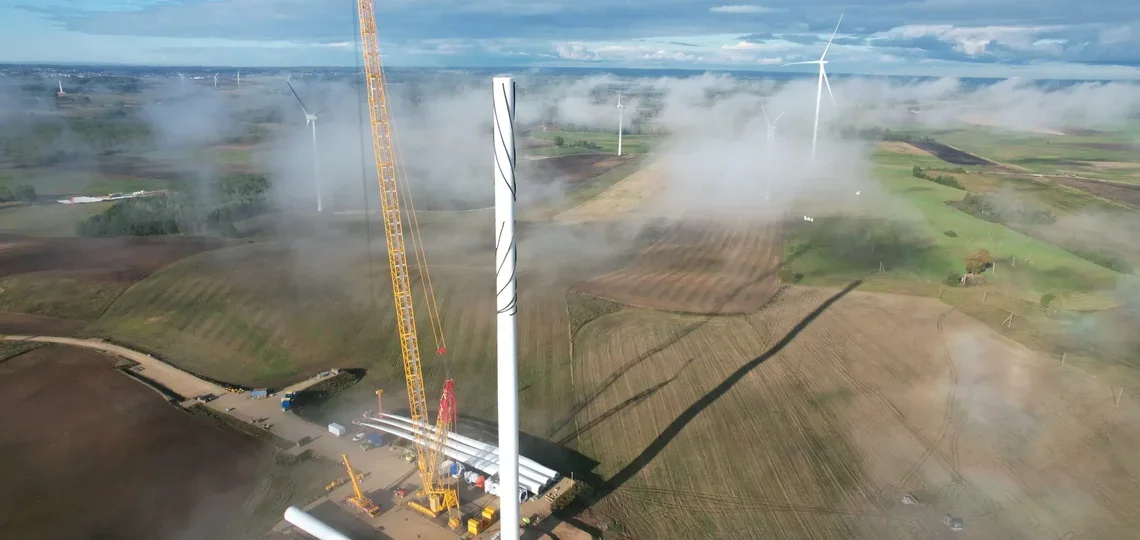
The report details that photovoltaic solar (PV) had an average cost 41% lower than the cheapest fossil fuel solution, while onshore wind achieved a differential of 53%. Onshore wind thus remained the most affordable source of renewable electricity at $0.034/kWh, ahead of solar PV at $0.043/kWh. In 2024, 582 gigawatts of renewable capacity were installed, avoiding the use of fossil fuels valued at $57mn. Nearly 91% of new renewable projects launched in 2024 were more profitable than any new fossil fuel-fired power plant.
The report also notes that the business model of renewable energies has strengthened, promoting a reduction in dependence on global fuel markets and contributing to increased energy security. However, the large-scale integration of these sources into electricity grids raises new challenges.
Persistent structural and regional constraints
Some markets, especially in Europe and North America, continue to face higher costs due to bottlenecks for grid connections, administrative delays and increased expenditure on ancillary infrastructure. Conversely, regions such as Asia, Africa and South America benefit from high renewable potential and more favourable learning rates, allowing significant cost reductions despite the volatility of some supply chains.
Geopolitical factors and industrial dynamics, such as the introduction of new tariffs or rising raw material prices, are identified as risks for temporary cost increases. The stability of regulatory frameworks and access to suitable financing mechanisms remain essential, especially for emerging markets where the cost of capital remains high.
Access to financing, a key to project viability
Financing emerges as a major barrier to the progress of renewables. According to IRENA, the cost of capital reached 12% in Africa compared to 3.8% in Europe in 2024, resulting in a gap in project viability despite similar production costs ($0.052/kWh for onshore wind on both continents). This disparity highlights the need for an environment conducive to investment, with instruments such as power purchase agreements (PPA) and transparent tender processes.
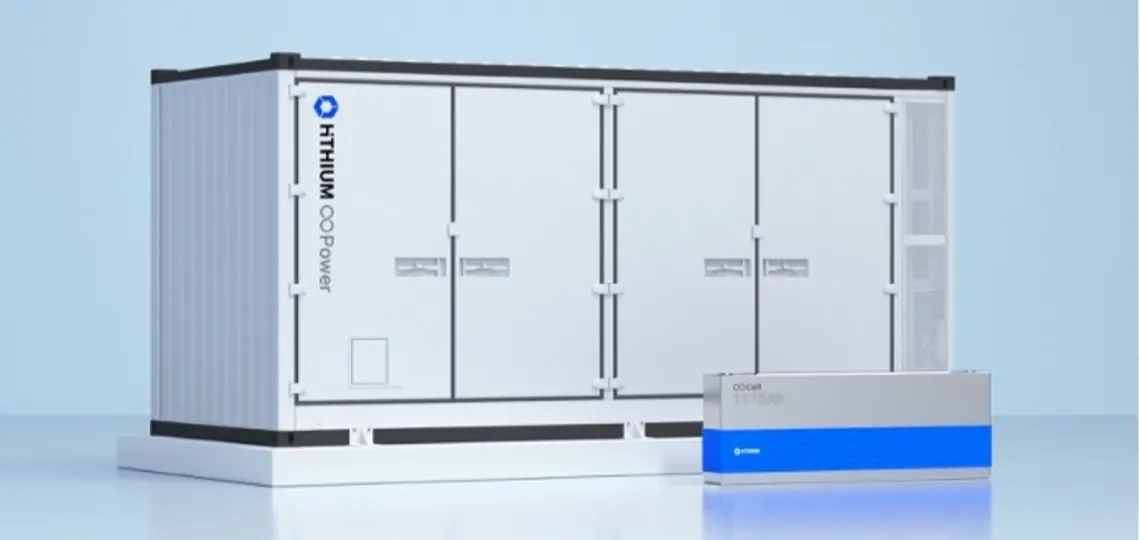
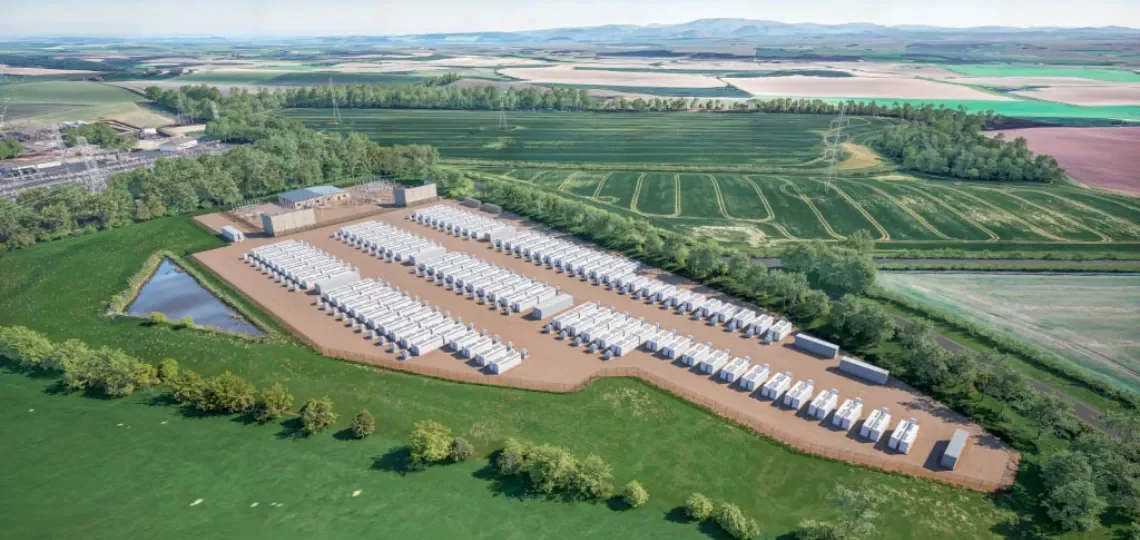
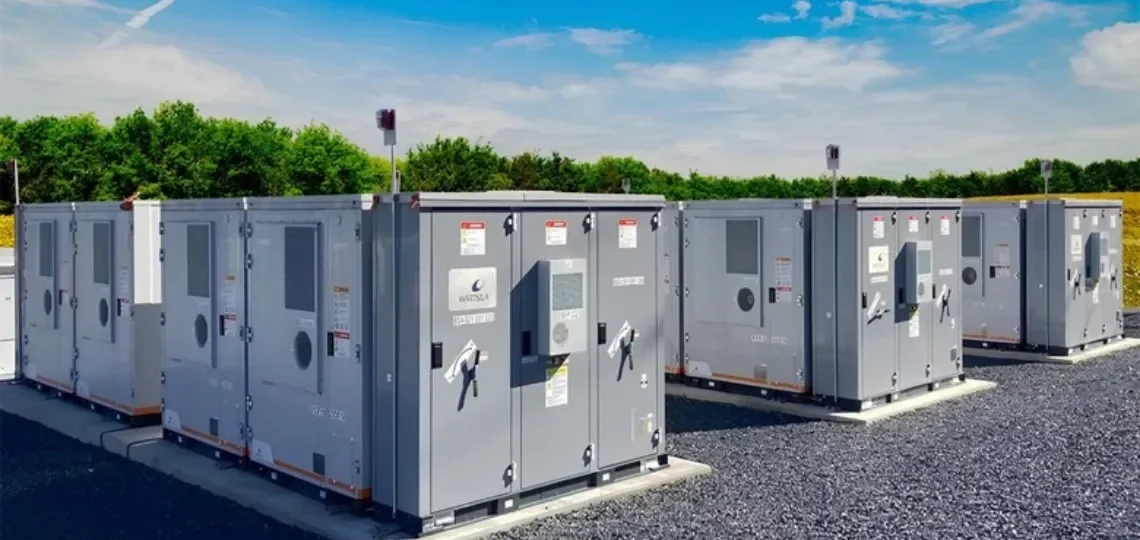
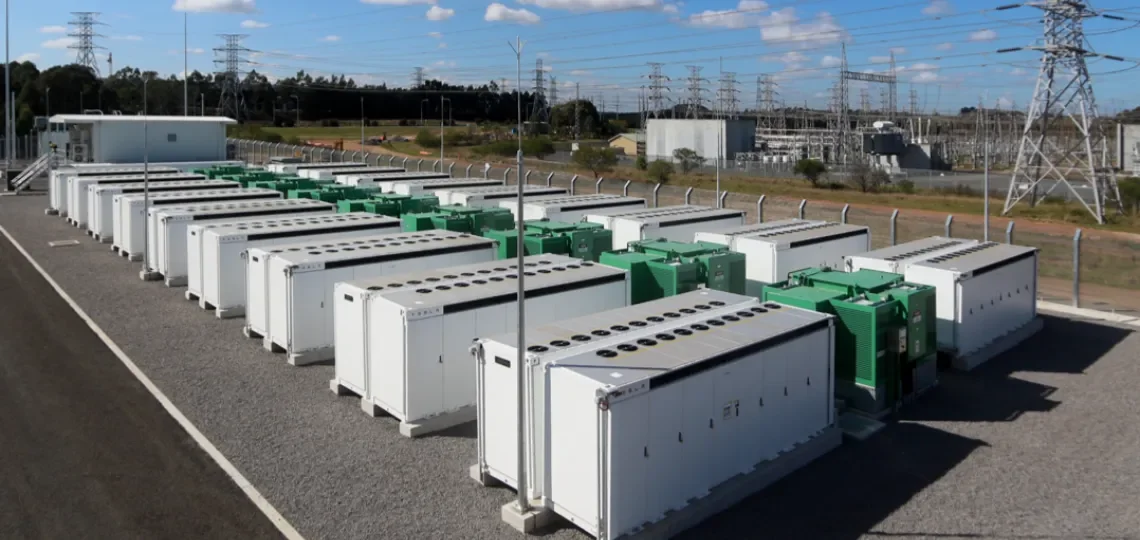
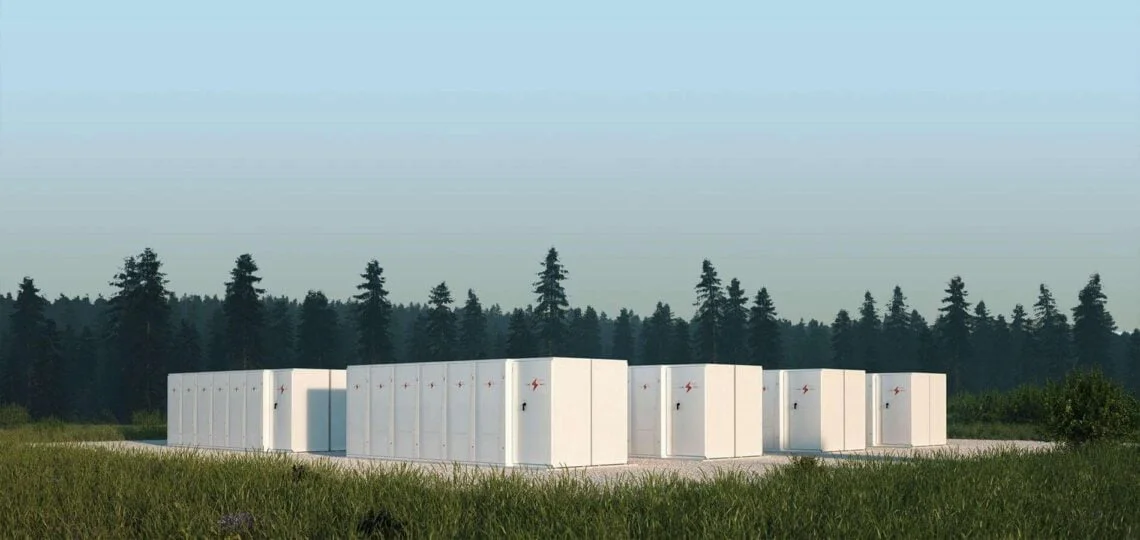
Grid modernisation and flexibility have become essential to support the rise of renewables, with particular emphasis on battery energy storage system (BESS) solutions. BESS costs have fallen by 93% since 2010, reaching $192/kWh in 2024. At the same time, the growing integration of hybrid systems and digital technologies driven by artificial intelligence is helping optimise plant management and network stability.
With the sector’s continued growth, the question of grid integration and the mobilisation of financing remain central for the entire global value chain, particularly in emerging markets facing rapidly increasing demand.