Malaysia strengthens public investment in gas and solar energy
The Malaysian government plans to increase public investment in natural gas and solar energy to reduce coal dependency while ensuring energy cost stability for households and businesses.
| Sectors | Gas, Solar Energy, Photovoltaic, Natural Gas |
|---|---|
| Themes | Investments & Transactions, Public Investment |
| Companies | Ember |
| Countries | Malaysia |
Malaysia is undertaking a strategic revision of its energy policy, focusing on the expansion of natural gas and solar power in electricity generation. The Chief Executive Officer of state-owned utility Tenaga Nasional Berhad (TNB), Megat Jalaluddin, confirmed that this direction will be supported by reinforced public investment to accelerate the transition away from coal. Coal still accounts for 43% of national electricity generation, compared to 37% for natural gas and just over 2% for solar, according to data from energy research group Ember.
A balanced energy mix policy
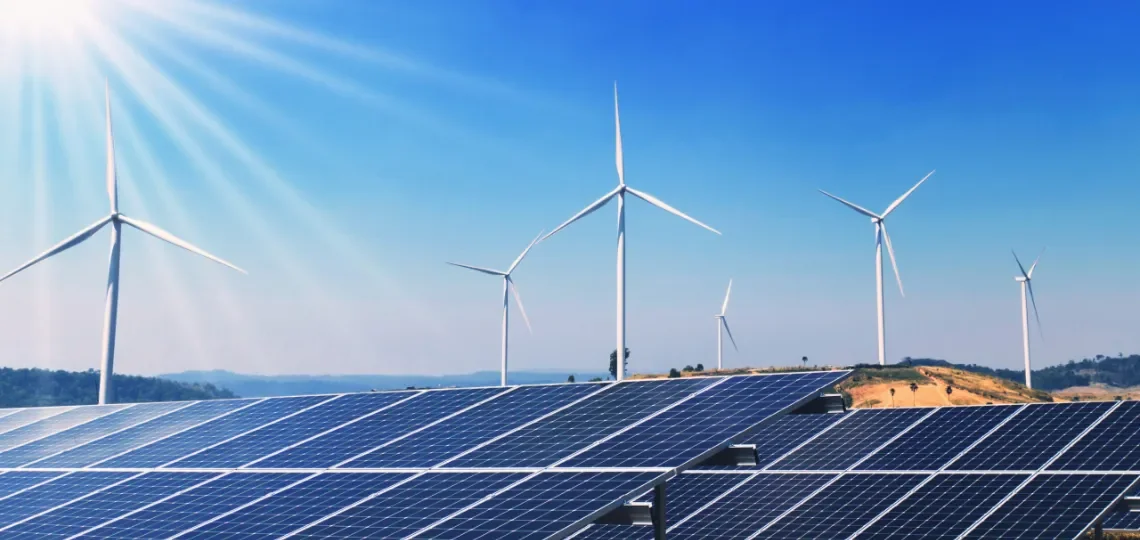
Authorities plan to add between 6 and 8 gigawatts (GW) of gas capacity by 2030, while doubling the current 9 GW of renewable energy. Solar will play a central role, as its per-unit cost is considered lower than that of gas or coal. Jalaluddin stated that “the best position for the country lies in a balanced energy mix to ensure tariff affordability.” The government’s plan is part of a public investment strategy aimed at modernising production infrastructure and reducing reliance on imports.
Anticipated increase in gas demand
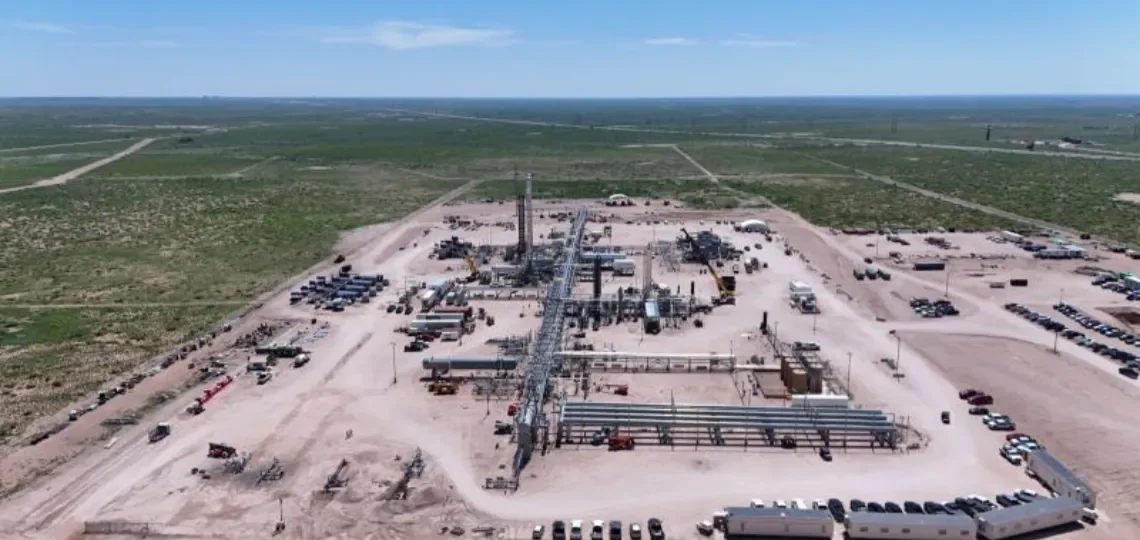
Despite being the world’s fifth-largest exporter of liquefied natural gas (LNG), Malaysia may become an importer within the decade due to rapidly growing domestic demand, particularly from data centres. The power sector currently consumes around 700 million standard cubic feet per day (MMSCFD) of gas, a figure expected to reach 1,000 MMSCFD by 2030. This increase is likely to heighten dependence on imported LNG, which costs approximately 29% more than domestically sourced gas.
Digital infrastructure and territorial planning
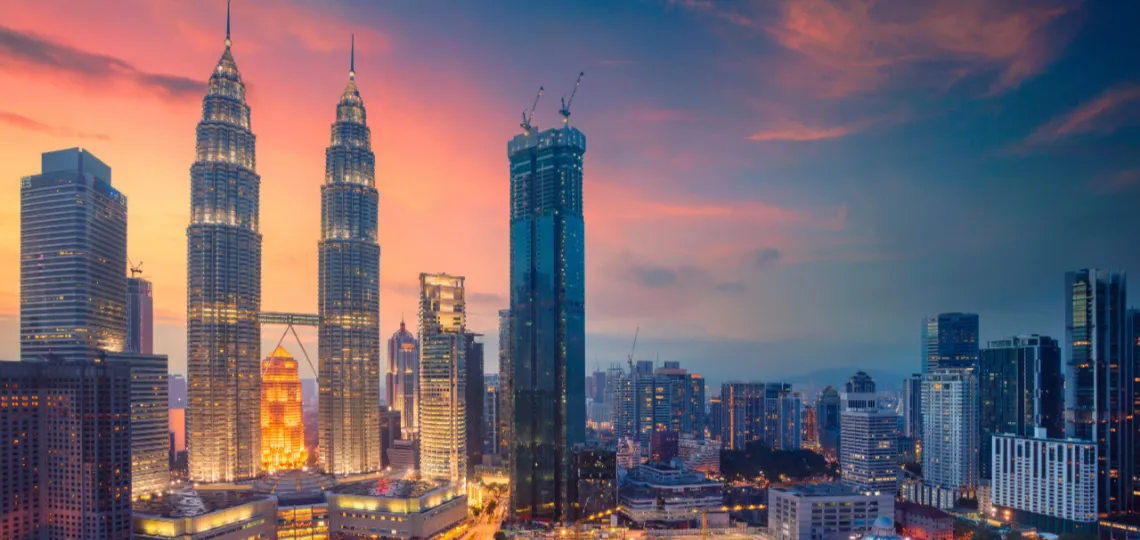
At the same time, the government is encouraging a more balanced distribution of investment in data centres, which are currently concentrated in Johor state, home to nearly two-thirds of the national capacity, estimated at 4,000 megawatts. New facilities with a combined capacity of over 500 MW are expected to come online next year in Pahang and Melaka.
The TNB chief executive indicated that this reallocation of public investment reflects a broader effort to ensure equitable energy infrastructure development across the territory. “As the national grid operator, we aim to guarantee a fair distribution of energy infrastructure,” he said.