Oil Prices Fall Sharply After US-Iran 15-Point Peace Plan Transmission
Brent crude drops 5.42% and WTI falls 5.39% on Wednesday after Washington transmitted a 15-point peace plan to Tehran. Iran denies any direct negotiations, fueling persistent uncertainty in oil markets.
| Countries | Iran, États-Unis, Japon |
|---|---|
| Companies | Swissquote, Global Risk Management, XTB |
| Sector | Pétrole, Transport stockage |
| Theme | Marchés & Finance, Prix |
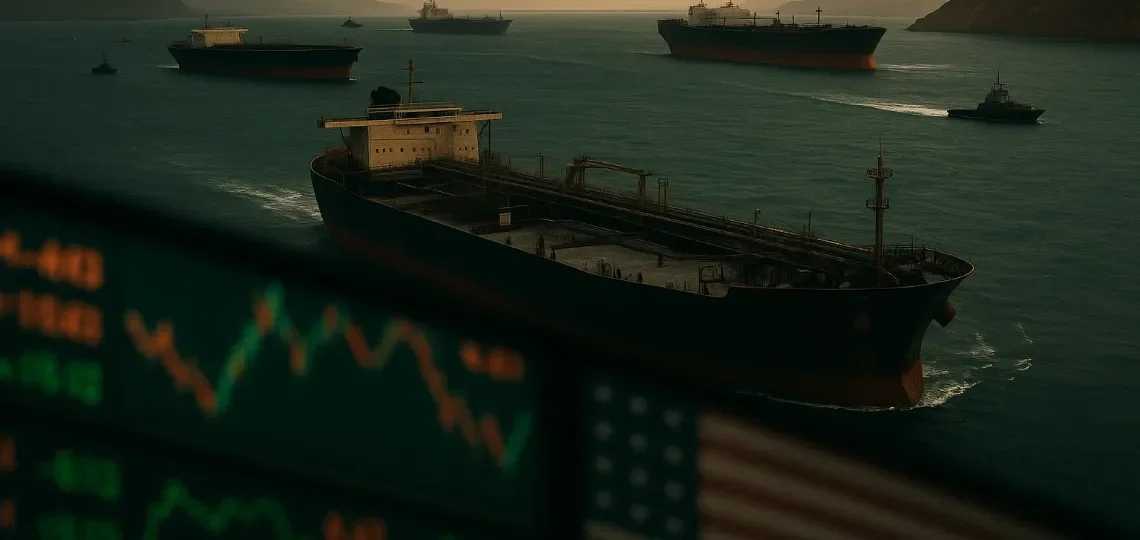
Brent North Sea crude was down 5.42% to $98.83 per barrel on Wednesday around 10:50 GMT, while West Texas Intermediate (WTI) fell 5.39% to $87.37. The sharp declines came after Washington transmitted a 15-point peace plan to Tehran aimed at ending the conflict in the Middle East. Trump extends Iran ultimatum as oil rebounds to $100 per barrel Donald Trump continues to claim negotiations are underway with Iran, an assertion Tehran formally denies. Sharp price swings reflect above all "a market driven by headlines", according to Kathleen Brooks, analyst at XTB. Oil at $100 per barrel: US consumers better prepared than feared
The contents of the American plan
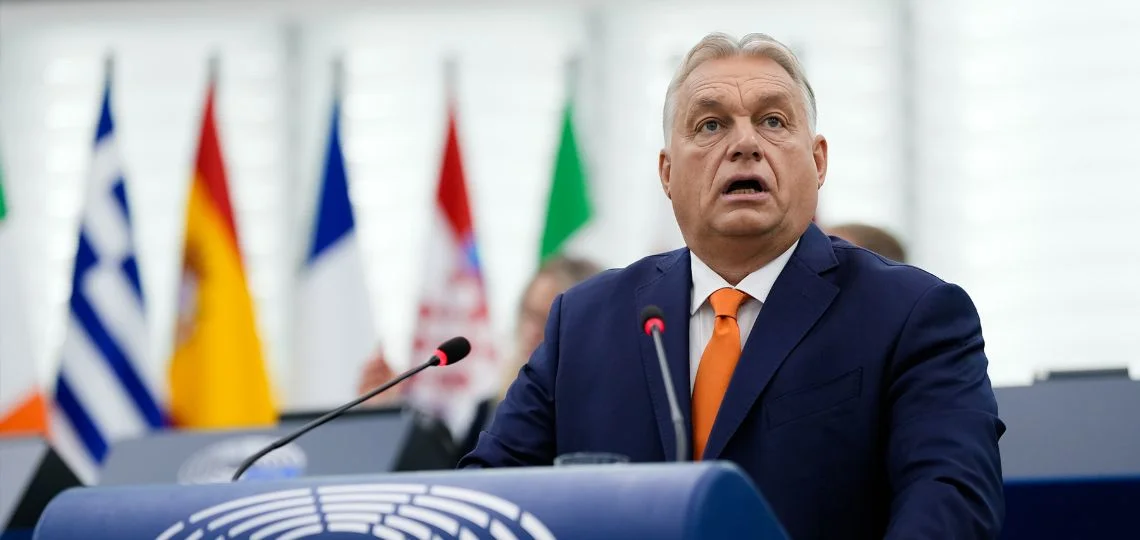
Of the 15 points transmitted, five concern Iran's nuclear program. Others demand that Tehran abandon its support for armed groups in the region, notably Hezbollah and Hamas. One point specifically requires that the Strait of Hormuz remain open to international maritime navigation. "What is clear is that Trump wants this war to end", said Ipek Ozkardeskaya, analyst at Swissquote. Oil prices fall as IEA prepares to release additional strategic reserves
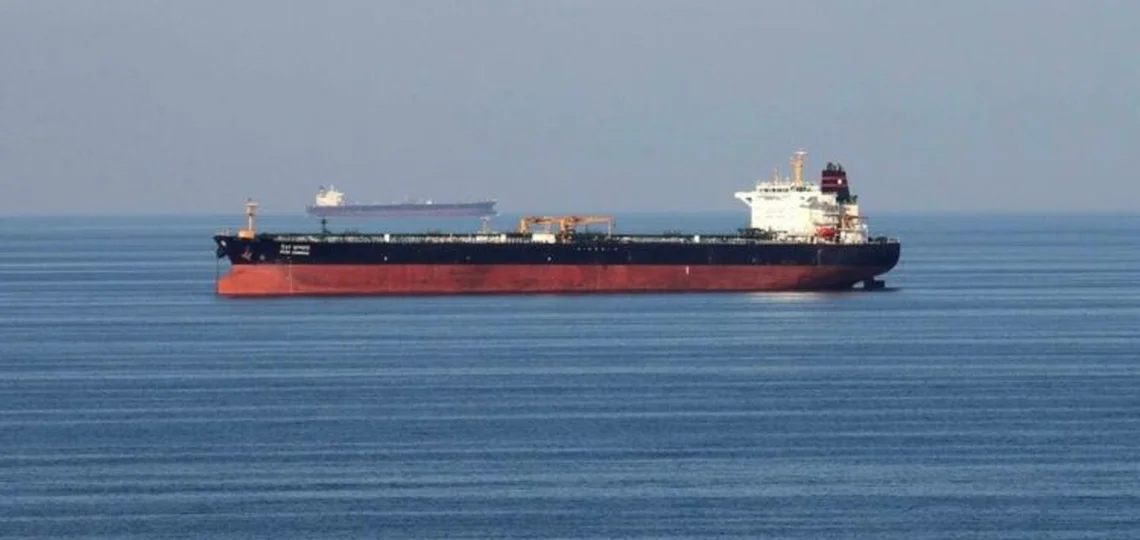
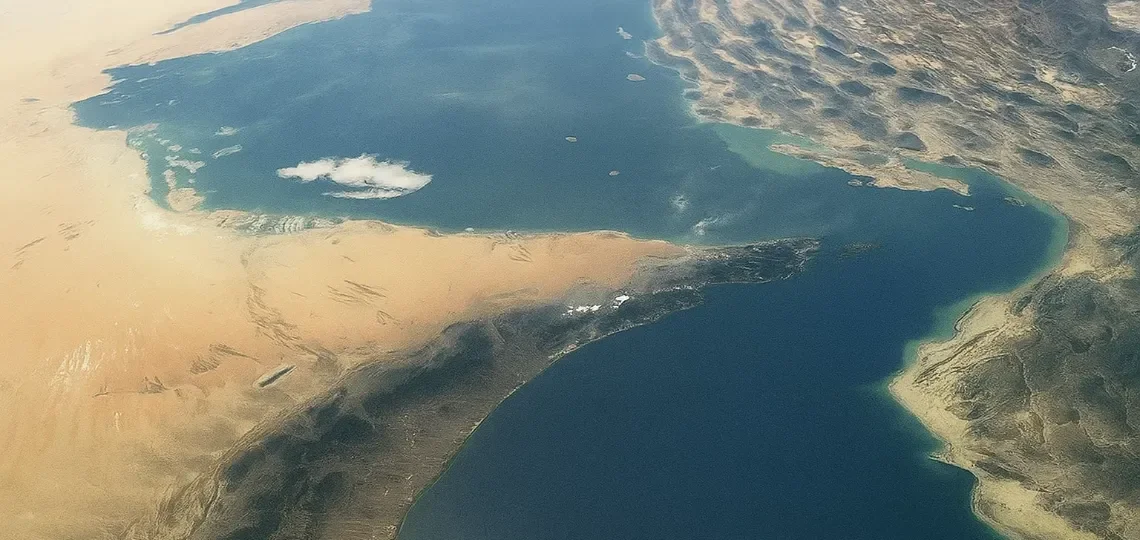
The chances of Tehran accepting the terms appear limited. According to Arne Lohmann Rasmussen, analyst at Global Risk Management, the American demands "have little chance of being accepted" by Iran. "It remains extremely uncertain how Iran will react", he added. The Strait of Hormuz, through which approximately 20% of global oil and liquefied natural gas (LNG) production transits, remains effectively near-paralyzed. Iran claims the passage remains open to "non-hostile vessels", according to a communiqué transmitted to the International Maritime Organization (IMO).
The IEA ready to release new strategic reserves
Against this backdrop of supply concerns, the International Energy Agency (IEA) indicated it had already released 400 million barrels drawn from its member countries' strategic reserves, following a request from Japan. The institution said it was prepared to implement a new release "if and when necessary". Concerns over crude availability are likely to persist as long as the Strait of Hormuz does not return to normal activity.