Kyrgyzstan Relaunches Major Hydroelectric Project with Kazakhstan and Uzbekistan
Kyrgyzstan, Kazakhstan, and Uzbekistan team up to construct the Kambar-Ata-1 hydroelectric plant, a Soviet-era project revived to address energy and water shortages in Central Asia. The $3.5bn initiative requires international investment.
| Sectors | Marine & Hydraulic Energy, Hydroelectricity |
|---|---|
| Themes | Policy & Geopolitics, Energy Security |
| Countries | Kazakhstan, Pakistan |
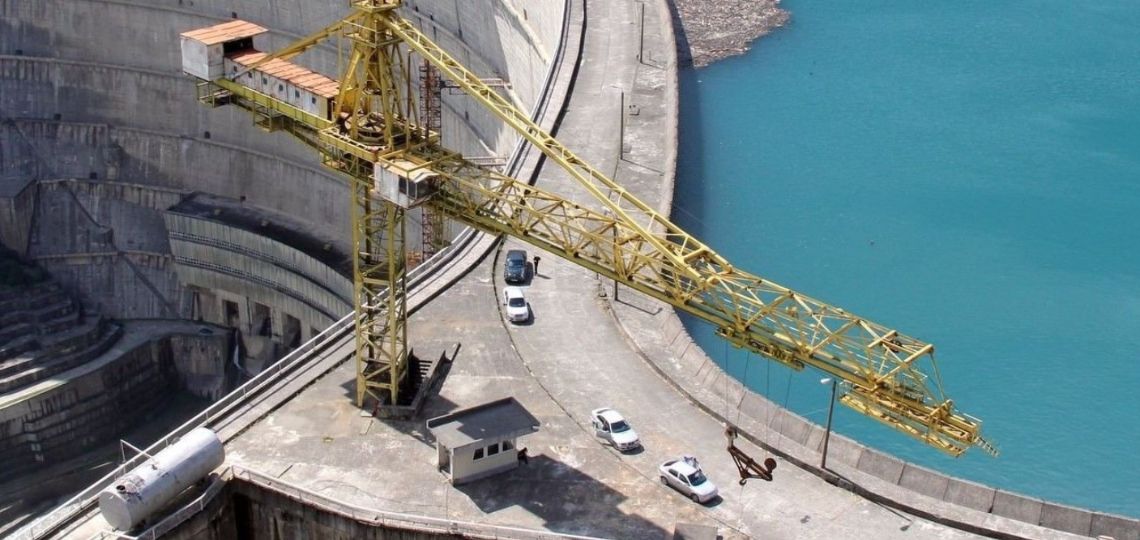
The construction of the Kambar-Ata-1 hydroelectric plant, located on the Naryn River in Kyrgyzstan, marks a turning point in regional cooperation in Central Asia. Led by Kyrgyzstan, Kazakhstan, and Uzbekistan, the project aims to strengthen energy and water security in a region facing growing shortages. Unlike previous energy initiatives, this relaunch is taking place without the direct involvement of Russia and China—two major actors traditionally present in the sector.
A Strategic Project for the Region
Originally conceived during the Soviet era, Kambar-Ata-1 was put on hold after the collapse of the USSR due to economic instability and political tensions between the riparian countries. The growing scarcity of water and energy resources has prompted the governments of the region to revive the project, which has now become a strategic priority. According to Kyrgyz Energy Minister Taalaibek Ibraev, the plant is essential for stabilising the electricity supply and supporting agriculture, which is heavily reliant on watercourse management.
With an estimated production capacity of 5.6 billion kilowatt-hours per year, Kambar-Ata-1 is designed to meet Kyrgyzstan’s domestic needs while also facilitating electricity exports to neighbouring countries, including Afghanistan and Pakistan. Uzbekistan and Kazakhstan, located downstream, are counting on this dam to ensure more predictable water distribution during the summer months, a critical issue for their agricultural production.
International Funding Still Uncertain
The project is estimated to cost $3.5bn. To ensure the completion of the works, which are set to begin in 2025, Kyrgyzstan is seeking to attract international investors. The Eurasian Development Bank has emphasised the importance of modernising and expanding the region’s hydroelectric capacity to address long-term energy and climate challenges.
However, financial difficulties and political risks are slowing international commitments. Existing hydroelectric infrastructure, such as the Toktogul plant, which provides 40% of Kyrgyzstan’s electricity, suffers from underinvestment and subsidised electricity tariffs, which makes the sector unprofitable.
An Economic and Energy Challenge
The Kyrgyz government hopes that Kambar-Ata-1 will provide a solution to the country’s energy crisis by increasing production and stabilising the electricity grid. However, the sector remains structurally deficit. The Kyrgyz Energy Minister recently pointed out that current electricity sale prices do not cover production costs, endangering the country’s energy future.
Despite these uncertainties, the implementation of the project is seen as a key step towards better energy and water integration in Central Asia. The success of Kambar-Ata-1 will depend on the three countries’ ability to mobilise the necessary funds and ensure coordinated water resource management.