Kyrgyzstan bets on a Russian small modular reactor to solve its energy crisis

Bishkek plans to host a RITM-200N small modular reactor supplied by Rosatom to address electricity shortages and deepen energy ties with Moscow, despite the risks posed by Western sanctions.
Share:

Comprehensive energy news coverage, updated nonstop

Annual subscription

8.25€/month*

*billed annually at 99€/year for the first year then 149,00€/year ​

Unlimited access • Archives included • Professional invoice

OTHER ACCESS OPTIONS

Monthly subscription

Unlimited access • Archives included

5.2€/month*
then 14.90€ per month thereafter

FREE ACCOUNT

3 articles offered per month

FREE

*Prices are excluding VAT, which may vary depending on your location or professional status

Since 2021: 35,000 articles • 150+ analyses per week

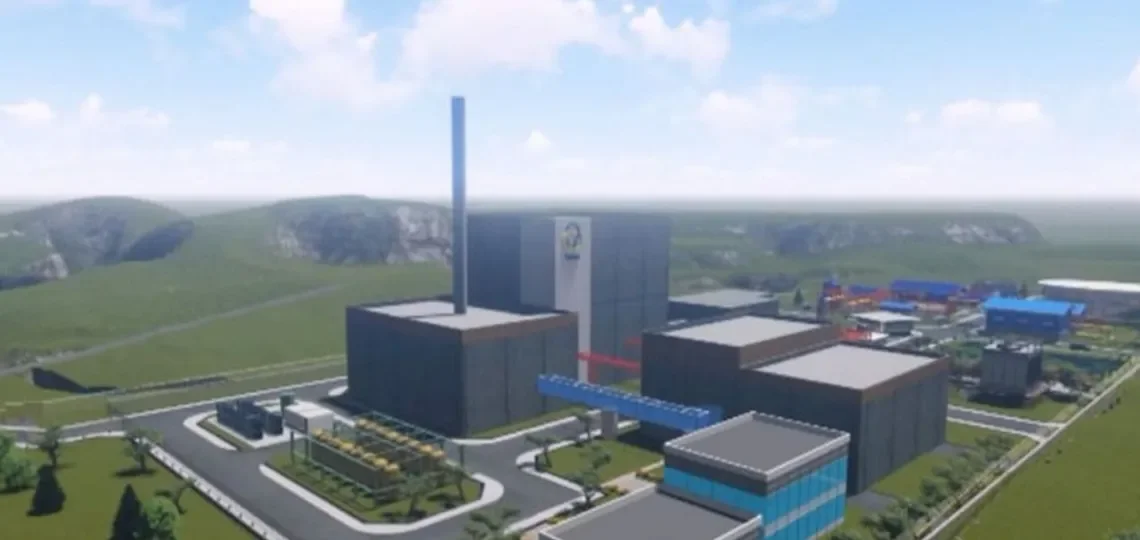
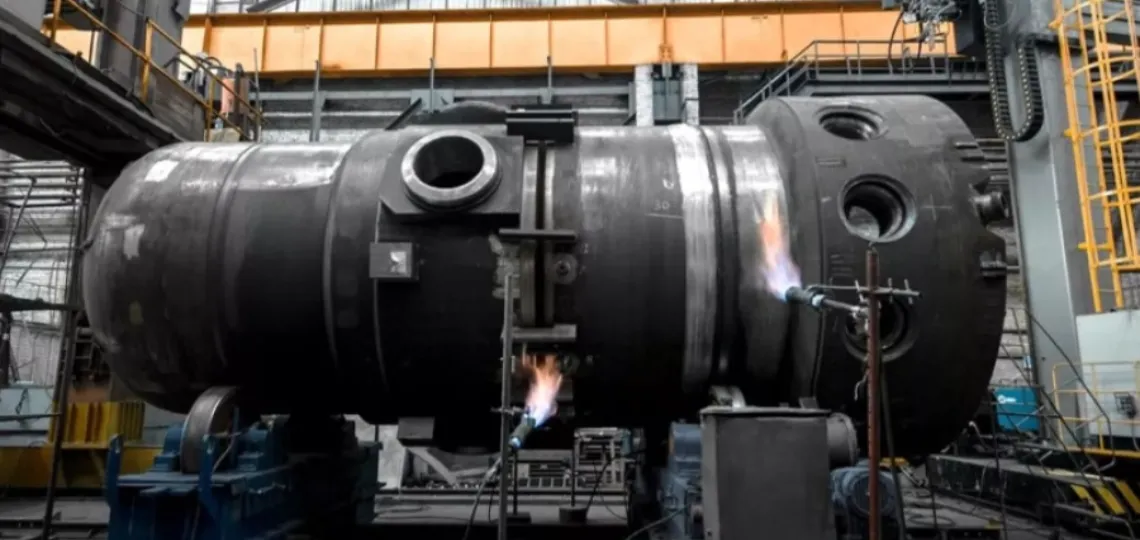
The government of Kyrgyzstan has confirmed its intention to proceed with the installation of a Russian-designed small modular reactor (SMR), the RITM-200N, developed by the state-owned company Rosatom. The project aims to diversify an energy mix heavily reliant on hydropower, which is particularly vulnerable to prolonged drought, while responding to rising electricity demand.

Hydropower dependence and the need for stability

With over 85% of its electricity production derived from hydropower, Kyrgyzstan is exposed to annual hydrological fluctuations. The Toktogul reservoir, which alone accounts for approximately 40% of domestic power generation, has reached critically low levels, increasing the risk of winter power outages. This instability has led Bishkek to regularly import electricity and gas from neighbouring countries, including Russia.

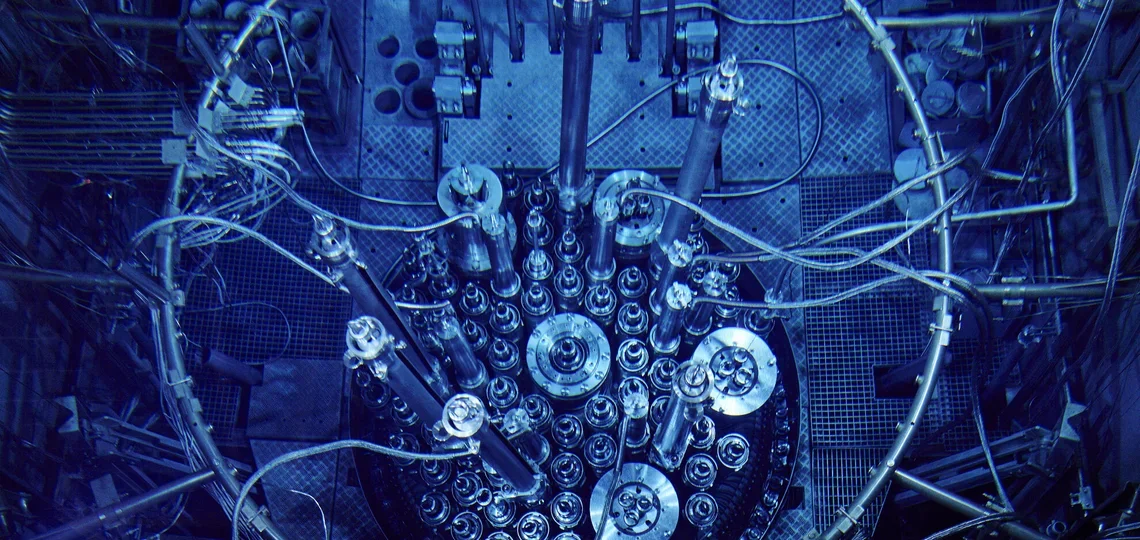
The choice of an SMR is based on its suitability for small, flexible grids. The RITM-200N delivers 55 MWe, with a projected lifespan of 60 years. Its modular nature allows for gradual capacity expansion, aligned with the country’s limited financial resources.

Strategic energy partnership with Russia

This initiative forms part of a broader energy cooperation framework with Russia. Gazprom has controlled Kyrgyzstan’s national gas company since 2014 and recently invested more than $400mn to expand gas network coverage beyond 40% of the population. Simultaneously, Moscow supplies refined fuel at preferential terms and supports hydropower and renewable projects.

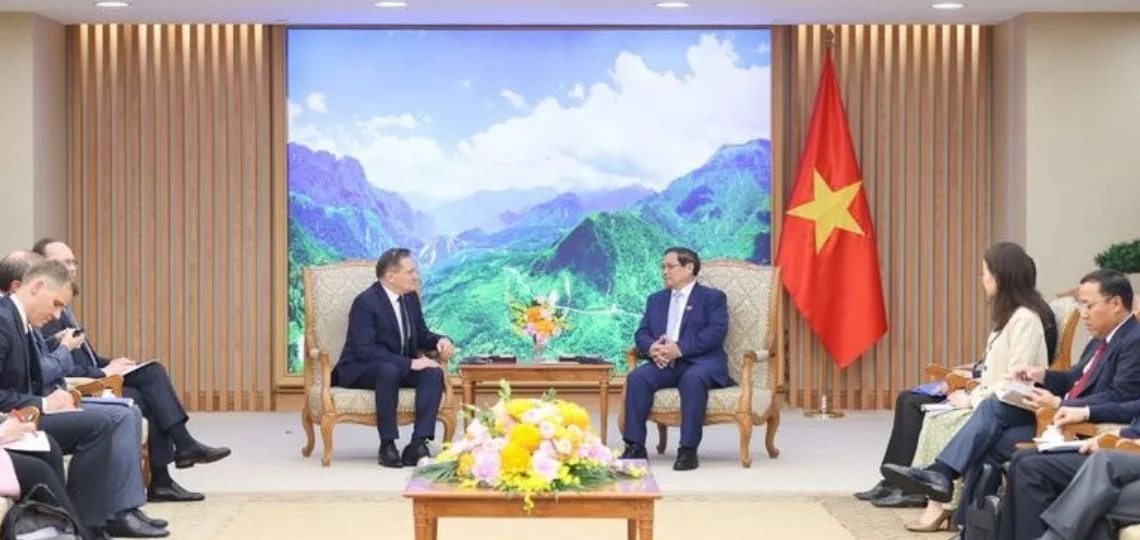
Rosatom will oversee engineering, construction, fuel supply and waste management, under a memorandum of understanding signed in 2022. The Green Energy Fund of Kyrgyz Republic is involved in a guaranteed purchase agreement, suggesting the likely implementation of a sovereign-backed power purchase agreement (PPA) for SMR electricity.

Western sanctions and financial uncertainties

The geopolitical context complicates the execution of the project. Several entities in the Russian nuclear sector are targeted by US and EU sanctions. Although Rosatom itself has been spared direct sanctions in many cases, restrictions on financial services, insurance, and dual-use components could delay implementation or increase costs.

External financing from Western banks is unlikely. Bishkek will probably rely on Russian, Chinese or domestic funding. Regional institutions such as the European Bank for Reconstruction and Development (EBRD) and the Asian Development Bank (ADB) may support associated infrastructure, but will likely avoid direct involvement in Russian nuclear ventures.

Sectoral impact and regional energy policy

At full capacity, a single RITM-200N module would represent a minor share of Kyrgyzstan’s total installed capacity (around 4 GW), yet its stable winter output could reduce costly imports. The SMR could also enable hydropower to be redirected toward seasonal electricity exports or irrigation.

The project places Kyrgyzstan within the evolving nuclear energy landscape of Central Asia. Following Uzbekistan, it would become the second country in the region to engage in a Russian SMR partnership. This could influence cross-border energy trade, particularly in the Syr Darya basin.
US-based X-energy has signed a reservation agreement with South Korea's Doosan Enerbility to secure key components for its small modular nuclear reactors.
Niger expands its mining alliances with Uranium One to develop new sites, while the Dasa project continues seeking financing despite clear political backing.
Samsung Heavy Industries has received Approval in Principle for a floating nuclear plant featuring two SMART100 reactors, marking a step toward the commercialisation of offshore small modular reactors.
The Indian government proposes a unified legal framework for nuclear energy, aiming to boost private investment and increase installed capacity to 100 GW by 2047.
Samsung C&T strengthens its presence in modular nuclear energy in Europe by signing an agreement with Synthos Green Energy to develop up to 24 SMRs in Poland and several Central European countries.
Israeli firm nT-Tao and Ben-Gurion University have developed a nonlinear control system that improves energy stability in fusion plasmas, strengthening the technical foundation of their future compact reactors.
The Indian government has introduced a bill allowing private companies to build and operate nuclear power plants, ending a state monopoly in place for over five decades.
Natura Resources enters a new regulatory phase for its molten salt reactor MSR-1, following the signing of a framework agreement with the US Department of Energy under the Reactor Pilot Program.
Norwegian Nuclear Decommissioning is surveying 22 localities to assess their interest in hosting storage facilities for radioactive waste from the country’s former research reactors.
GE Vernova Hitachi’s BWRX-300 small modular reactor has passed a key regulatory hurdle in the United Kingdom, opening the door to potential commercial deployment, despite no current plans for construction.
Molten salt reactor developer Natura Resources has acquired Shepherd Power and partnered with NOV to scale up modular reactor manufacturing by the next decade.
China National Nuclear Corporation expects commercial operation in 2026 for its ACP100 reactor, following successful cold testing and completion of critical structures in 2025.
Start-up SEATOM has been selected to join NATO's DIANA programme with its micro nuclear reactor designed for extreme environments, reinforcing its position in dual-use marine and military energy technologies.
The Estonian Ministry of Economic Affairs has opened a tender to select a site and conduct initial environmental studies for a 600 MW nuclear power plant, marking a decisive step for the country’s energy future.
The European Commission has approved Poland's financial support plan for its first nuclear power plant, a €42bn project backed by public funding, state guarantees, and a contract for difference mechanism.
Six European nuclear authorities have completed the second phase of a joint review of the Nuward modular reactor, a key step toward aligning regulatory frameworks for small nuclear reactors across Europe.
Driven by off-grid industrial heat demand and decarbonisation mandates, the global small modular reactor market is set to grow 24% annually through 2030, with installed capacity expected to triple within five years.
US fusion energy leaders have called on the federal government to redirect public funding towards their projects, arguing that large-scale investment is needed to stay competitive with China.
Santee Cooper has approved a memorandum of understanding with Brookfield Asset Management to assess the feasibility of restarting two unfinished nuclear reactors, with a potential $2.7 billion payment and 550 MW capacity stake.
Helical Fusion has signed a landmark agreement with Aoki Super to supply electricity from fusion, marking a first in Japan’s energy sector and a commercial step forward for the helical stellarator technology.

All the latest energy news, all the time

Annual subscription

8.25€/month*

*billed annually at 99€/year for the first year then 149,00€/year ​

Unlimited access - Archives included - Pro invoice

Monthly subscription

Unlimited access • Archives included

5.2€/month*
then 14.90€ per month thereafter

*Prices shown are exclusive of VAT, which may vary according to your location or professional status.

Since 2021: 30,000 articles - +150 analyses/week.