Kūpono Solar: Launch of Hawaii’s largest solar and battery power plant
The Kūpono Solar plant, 42 MW solar and 42 MW battery, now powers 10,000 Hawaiian homes, supporting the state’s renewable energy goals.
| Sectors | Energy Storage, Solar Energy, Batteries, Photovoltaic |
|---|---|
| Themes | Investments & Transactions, Commercial Partnerships |
| Companies | Ameresco |
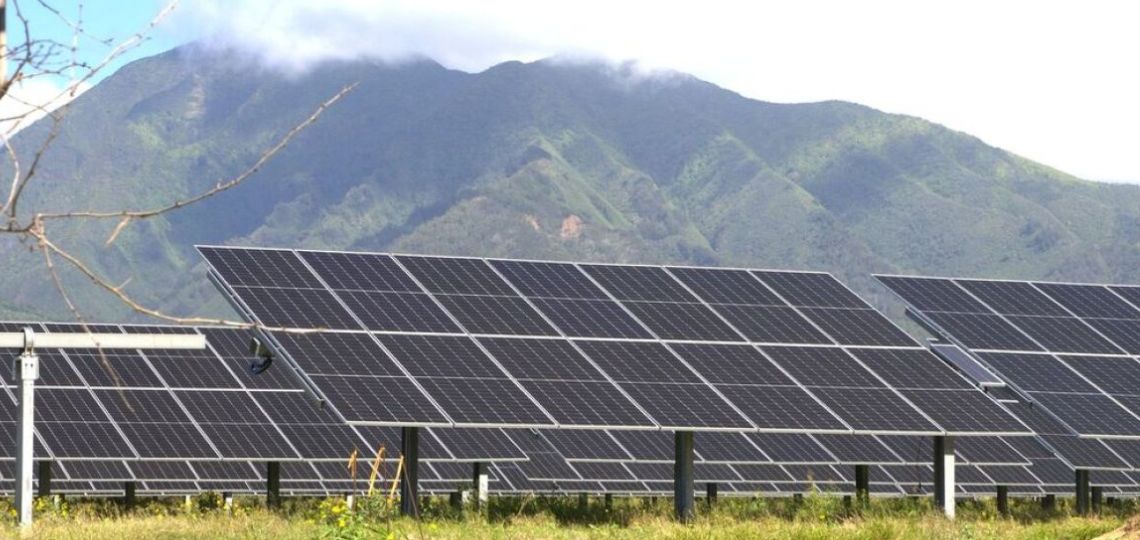
The Kūpono Solar solar and battery power plant, located at Joint Base Pearl Harbor-Hickam military base, is now operational, providing energy to around 10,000 homes on the island of Oʻahu. The project is part of Hawaiian Electric ‘s efforts to stabilize energy costs and reduce the use of fossil fuels, while contributing to the state’s goal of achieving 100% renewable energy by 2045.
A major collaborative project
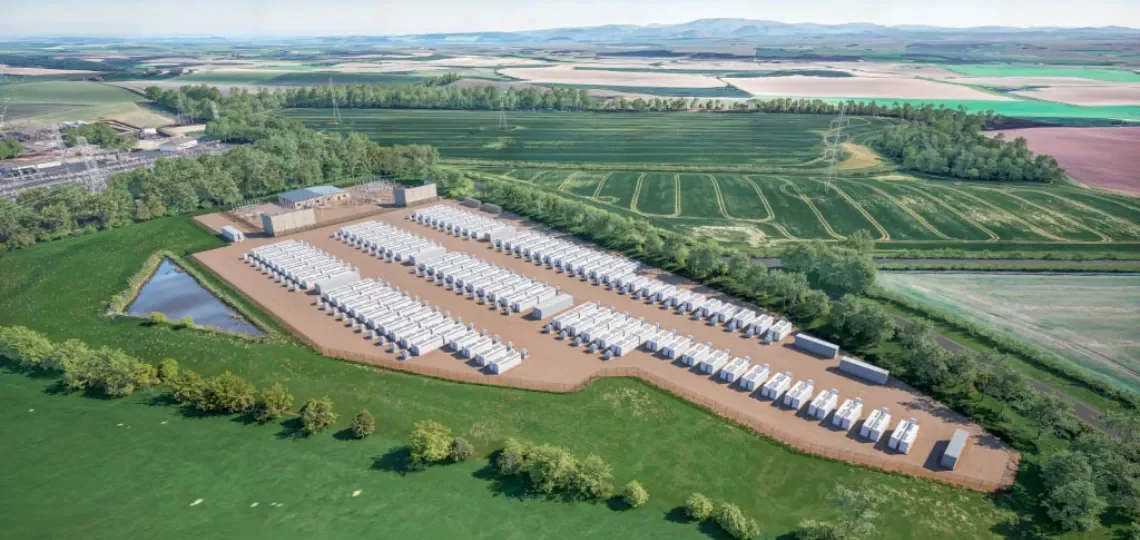
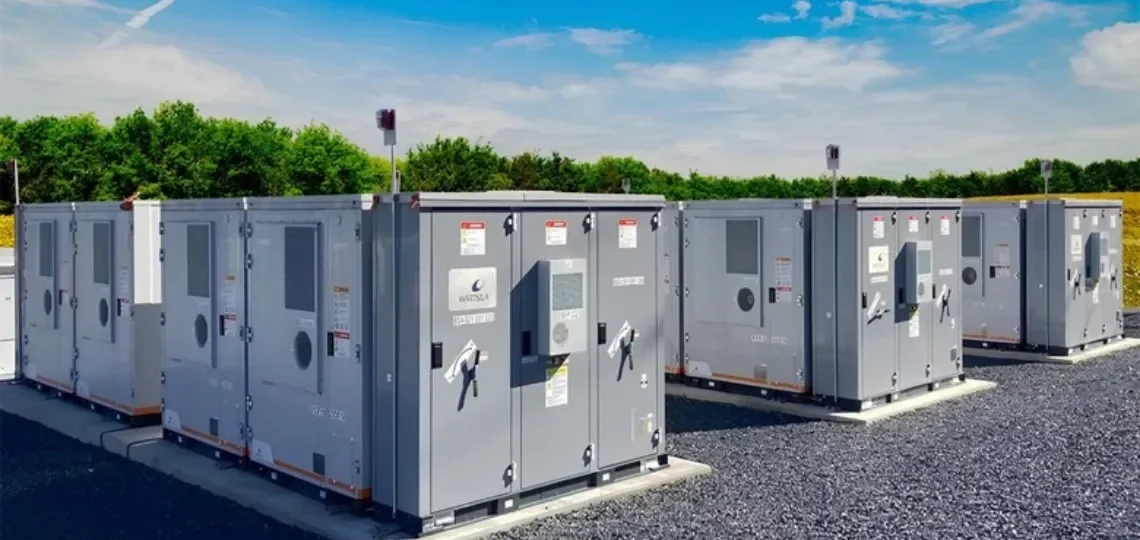
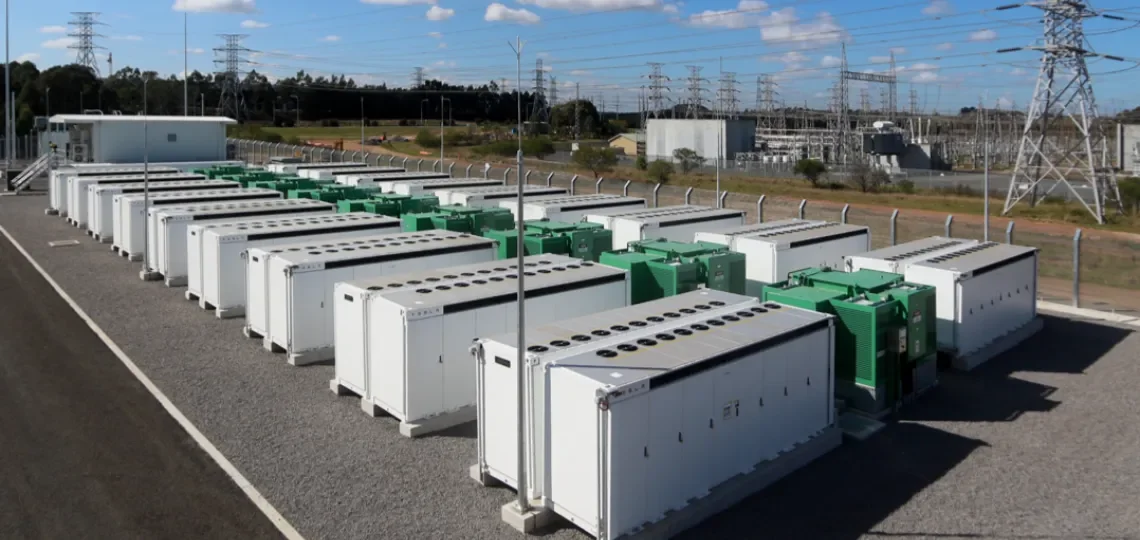
The Kūpono Solar site, developed on 131 acres of Navy land, integrates a 42 MW photovoltaic installation and a 42 MW storage battery with a four-hour capacity of 168 MWh. This unique combination of solar and storage improves the resilience of Oʻahu’s power grid, offering stable and reliable energy. The project was developed by Ameresco, Inc. a cleantech integrator specializing in energy efficiency and renewable energy. The inauguration of Kūpono Solar was attended by several key figures, including Meredith Berger, Assistant Secretary of the Navy and Director of Sustainability, and Shelee Kimura, President and CEO of Hawaiian Electric. All stressed the importance of this project for Hawaii’s energy future and its role in reducing CO2 emissions by 50,000 tons a year.
Partnerships for a sustainable future
Honolulu Mayor Rick Blangiardi hailed the project as a significant step forward in the city’s commitment to energy efficiency and renewable energy. Likewise, Governor Josh Green, M.D., expressed his satisfaction at seeing this project come to life after its launch in 2022. All recognized the importance of public-private-community partnerships in achieving the state’s ambitious energy goals. Shelee Kimura emphasized that strong partnerships are key to moving towards energy independence and building a more resilient Hawaii. Nicole Bulgarino, Ameresco’s Executive Vice President, expressed her pride at the project’s completion and operationalization, which testify to our collective ability to develop sustainable and reliable energy infrastructures. The Kūpono Solar project is a striking example of how collaboration can lead to innovative and sustainable solutions. By sharing resources and aligning objectives, the project partners have created a facility that not only provides clean energy, but also strengthens the resilience of the local power grid. This project also demonstrates the potential of solar energy coupled with battery storage to meet energy needs while minimizing environmental impact. It provides a model for other regions seeking to achieve similar renewable energy targets.
The future of projects like Kūpono Solar relies on continued investment, supportive policies and close cooperation between all stakeholders. As the world increasingly turns to sustainable energy solutions, initiatives like this one play a crucial role in the transition to a green economy.