Kazakhstan selects Russia and China for its first nuclear power plants
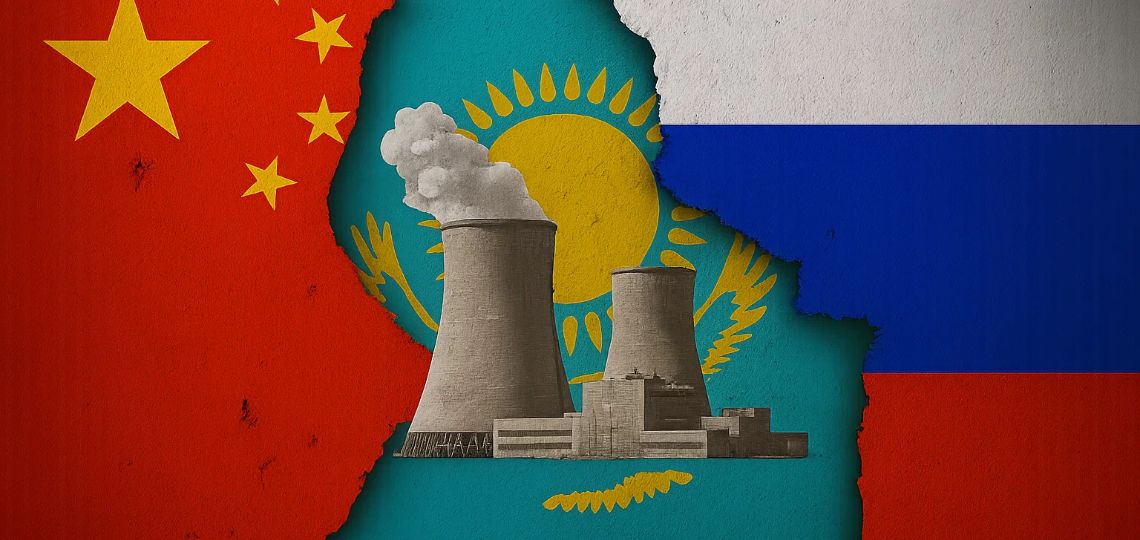
Kazakhstan has selected Rosatom and China National Nuclear Corporation to build two nuclear power plants totaling 2.4 GW, a decision following a favorable referendum and coinciding with Xi Jinping’s upcoming strategic visit.
| Sectors | Nuclear Energy, Fission |
|---|---|
| Themes | Investments & Transactions, Commercial Partnerships |
| Companies | Korea Hydro & Nuclear Power, Rosatom |
| Countries | China, Kazakhstan, Russia |
Kazakhstan has officially chosen the Russian state-owned company Rosatom to build the country’s first nuclear power plant. Simultaneously, a second facility will be developed in partnership with China National Nuclear Corporation (CNNC). This strategic decision follows a competitive process that also involved proposals from Électricité de France (EDF) and Korea Hydro & Nuclear Power (KHNP). Construction of these two plants aligns with Kazakhstan’s overall goal to reach a total nuclear capacity of 2.4 GW by 2035.
Ulken site chosen for the first plant
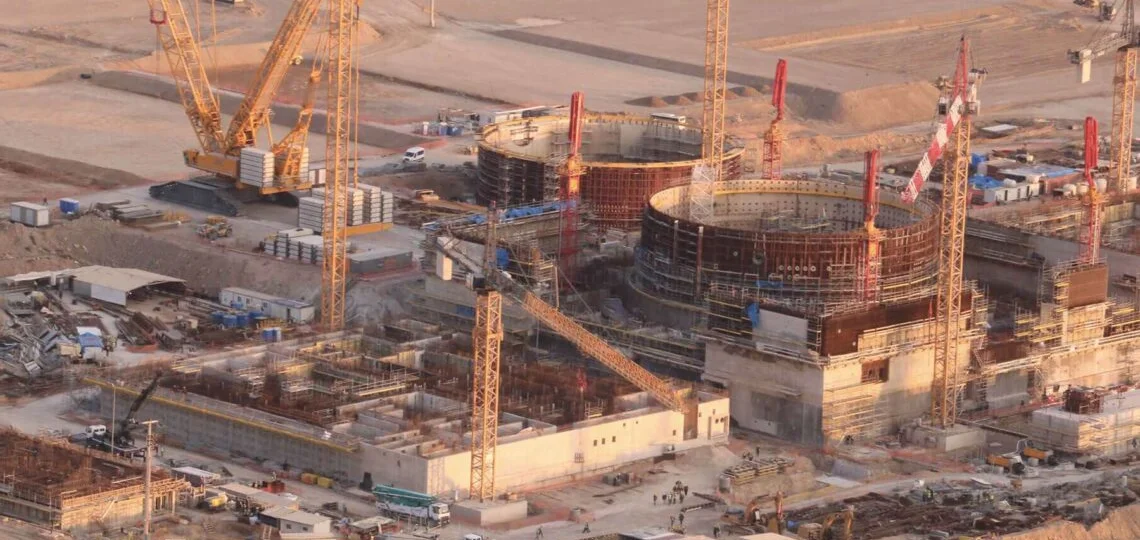
The first nuclear power plant in Kazakhstan will be located in Ulken, near Lake Balkhash, approximately 400 kilometers from Almaty. Rosatom plans to install two generation 3+ VVER-1200 reactors, recognized for their safety performance and energy efficiency. The financing for this project is expected to come through Russian export-credit mechanisms, a common practice in international nuclear construction agreements. Ulken’s location is strategic, benefiting from proximity to existing energy infrastructure.
A strategic partnership with China
The second nuclear plant will be developed by China’s CNNC, under a separate agreement currently being finalized. China is thus strengthening its presence in the region, aligning with its Belt and Road Initiative aimed at expanding economic and technological influence throughout Central Asia. Kazakhstan’s decision also allows it to diversify its international partnerships while benefiting from Chinese expertise in nuclear energy development.
Kazakhstan’s energy sector currently relies heavily on coal and hydropower. With steadily increasing domestic consumption, diversification through civilian nuclear energy has become essential for stabilizing the national energy supply. Kazakhstan remains the world’s leading uranium producer, a position that may facilitate fuel supplies for the future reactors.
Referendum favors nuclear energy
The decision to pursue nuclear energy follows a referendum held in October 2024, in which approximately 70% of voters supported the construction of nuclear power plants. This outcome represents a significant shift in public opinion for a nation historically marked by Soviet nuclear testing, which had long raised persistent concerns regarding the risks associated with nuclear energy.
Xi Jinping’s strategic visit
The announcement comes just before Chinese President Xi Jinping’s official visit to Kazakhstan, scheduled for June 16-17, 2025, within the framework of the China-Central Asia Summit. This meeting could serve to officially solidify the nuclear partnership with China, symbolizing the growing importance of economic and energy relations between Beijing and Central Asian nations. Kazakhstan’s President Kassym-Jomart Tokayev aims to maintain a strategic balance between his powerful Russian and Chinese neighbors, while addressing growing domestic energy needs.
Kazakhstan’s decision reflects both concrete economic considerations and a political will to balance its international partnerships, in a sector critical to its economic development.